
Plants
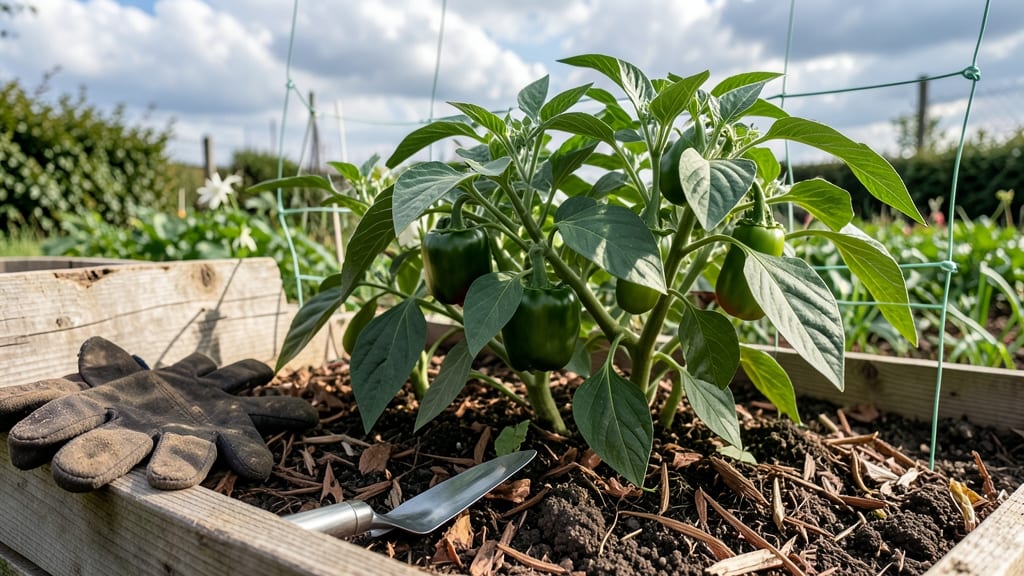
Timing your 🌶️ Bell Pepper planting in California isn’t just about the calendar—it’s about surviving the state’s wild microclimates, from frost-prone inland valleys to desert heat that can fry seedlings in a week. Get it wrong, and you’ll watch your plants bolt or wilt before they even produce.
But nail the window, and you’re looking at a summer of juicy, homegrown peppers—whether you’re in coastal Zone 9b or baking-hot Zone 11.
Here’s the hard truth: coastal gardeners can start as early as February, while inland growers should wait until March to avoid frost, and desert dwellers? You’ve got a 3-week head start before the rest of the state.
The key isn’t just dates—it’s soil temperature, frost risk, and knowing when to rush (or slow down) your seedlings. I’ll break down the exact deadlines for each zone, plus how to cheat the system with mulch, shade, and smart transplanting.
You’ve probably heard “plant after the last frost,” but California’s frost dates are a joke—coastal areas rarely see frost, while inland spots can drop below 32°F in December.
That’s why I’m sharing the real rules: when to start seeds indoors, when to harden off transplants, and how to stretch your growing season into November (yes, really). Skip the guesswork and plant with confidence—your future 🌶️ Bell Pepper harvest depends on it.
Ready to stop second-guessing and start planting? Let’s dive into the zone-by-zone schedule that’ll have your peppers thriving while your neighbors are still debating whether to mulch. Spoiler: the answer is yes, but here’s how to do it right.
California bell pepper planting deadlines by USDA Zone (with frost risk maps)
California’s bell pepper planting schedule isn’t one-size-fits-all—your USDA zone and microclimate dictate the perfect window. Coastal areas like San Francisco (Zone 9b-10) can start as early as late January, while inland valleys like Sacramento (Zone 9a) wait until mid-March.
Desert regions like Palm Springs (Zone 10b-11) even plant in February to avoid summer’s brutal heat. The key? Soil temperature must hit 60°F (15°C)—cold soil stalls germination.
Frost risk is your biggest enemy. Coastal zones rarely see frost after January 1, but inland areas like Fresno (Zone 9a) can face late frosts until mid-January. Desert zones? Almost frost-free year-round.
Use frost-free date maps from the UC Master Gardeners to pinpoint your local cutoff. Pro tip: Black plastic mulch warms soil 5-10°F faster, letting you plant 2-3 weeks earlier in cooler zones.
| Zone | Planting Window | Last Frost Risk | Soil Temp Goal |
|---|---|---|---|
| Coastal (9b-10) | Late Jan–Early April | Jan 1 (rare) | 60°F+ |
| Inland Valleys (9a-10) | Mid-Mar–Early May | Jan 15 | 60°F+ |
| Desert (10b-11) | Feb–Early Mar | None | 65°F+ |
For container growing, timing shifts slightly. Pots heat up faster, so coastal gardeners can start 2 weeks earlier (early January). Use 5-gallon containers with well-draining mix—root-bound peppers bolt faster.
Inland zones? Stick to the March-May window to avoid heat stress during transplanting. Seedlings need 6-8 weeks to mature before outdoor planting, so coastal gardeners should sow seeds by mid-December.
Watch for heat waves after planting. Inland zones like Bakersfield (Zone 9a) can see 100°F+ days by June—plant slow-maturing varieties (e.g., ‘California Wonder’) to avoid fruit splitting. Coastal areas? ‘Early California Wonder’ (60 days to harvest) thrives in milder summers.
Always check seed packet days-to-maturity against your local first frost date—peppers need 90-120 frost-free days to ripen.
Pro move: Plant a second crop in late July for fall harvests. Inland zones can try shade cloth (30-50%) to protect seedlings from intense afternoon sun during summer planting.
Desert growers? Avoid planting after April—peppers struggle in 110°F+ soil. Instead, focus on fall transplants (August-September) for a winter harvest before temperatures drop.
Don’t overlook elevation. Mountain foothills (e.g., Fresno’s Sierra foothills) can be 5°F colder than valley floors. Use a soil thermometer—peppers won’t germinate below 55°F.
If your soil runs cold, try straw mulch to insulate roots. Transplant shock is another pitfall: Hardening off seedlings for 7-10 days before planting reduces stress, especially in windy coastal zones.
Here’s your quick zone cheat sheet:
- Coastal (SF, LA): Plant Feb 15–Mar 31
- Inland Valleys (Sacramento, Fresno): Plant Mar 15–Apr 30
- Desert (Palm Springs, Coachella): Plant Feb 1–Mar 15
Use these dates as a starting point, then adjust based on weather forecasts and soil temps. Patience pays off—rushing leads to stunted plants or bolting.
Need a second harvest? Try succession planting every 2 weeks in spring. Inland zones can squeeze in one more crop in late July using shade cloth. Coastal gardeners? Fall planting (August-September) works
How to extend your bell pepper growing season in California’s hottest months
California’s summer heat can turn your bell pepper plants into crispy snacks if you don’t act fast. I’ve learned the hard way—last year, my Jalapeño plants bolted by July because I ignored the 85°F+ soil warning.
The key? Strategic cooling and moisture tricks to keep your peppers productive until November (or even later in desert zones). Here’s how to beat the heat without sacrificing your harvest.
First, focus on soil temperature. Bell peppers wilt when soil hits 85°F+, but you can delay this with black plastic mulch—it raises soil temps in spring but lowers them in summer by blocking radiant heat.
Lay it down 2-3 weeks before transplanting to give your plants a cooler start. Pair this with drip irrigation (not overhead watering) to keep roots moist without stressing the plants.
🌶️ Pro Tip: Use 50% shade cloth during peak heat (11 AM–3 PM). I swear by it—my Poblano plants stayed lush while neighbors’ plants turned yellow. Hang it 3–4 feet above plants to allow airflow, and remove it by late afternoon to let sunlight return for evening growth.
- 1. Mulch Thickly: Use 4–6 inches of straw or wood chips to insulate roots. Replenish every 4–6 weeks.
- 2. Water Deeply: 1–2 gallons per plant in the morning. Avoid wet foliage to prevent fungal diseases.
- 3. Prune Strategically: Remove lower leaves to improve airflow. Pinch off flower buds if temps exceed 90°F.
- 4. Companion Plant: Pair with basil or marigolds to repel pests and improve humidity around roots.
- 5. Harvest Early: Pick peppers when 3–4 inches long to reduce stress on the plant.
Don’t overlook companion planting. I planted basil alongside my bell peppers last season, and the basil’s shade helped keep soil temps 5°F cooler during heatwaves. Plus, it deters pests like aphids and hornworms. For extra protection, interplant with nasturtiums—they act as a trap crop for pests.
If you’re in Zone 10+, you can stretch your season into December with row covers. Use lightweight fabric (like Agribon) to shield plants from Santa Ana winds and sudden temp drops. Just
Lastly, monitor your plants daily. Wilting leaves? It’s not always thirst—check for overwatering or nutrient burn. Yellowing? Your peppers might need more potassium. Adjust your fertilizer to a 5-10-10 ratio in summer to boost fruit production without promoting leafy growth. With these tricks, you’ll turn California’s heat into your bell pepper advantage.