
Plants
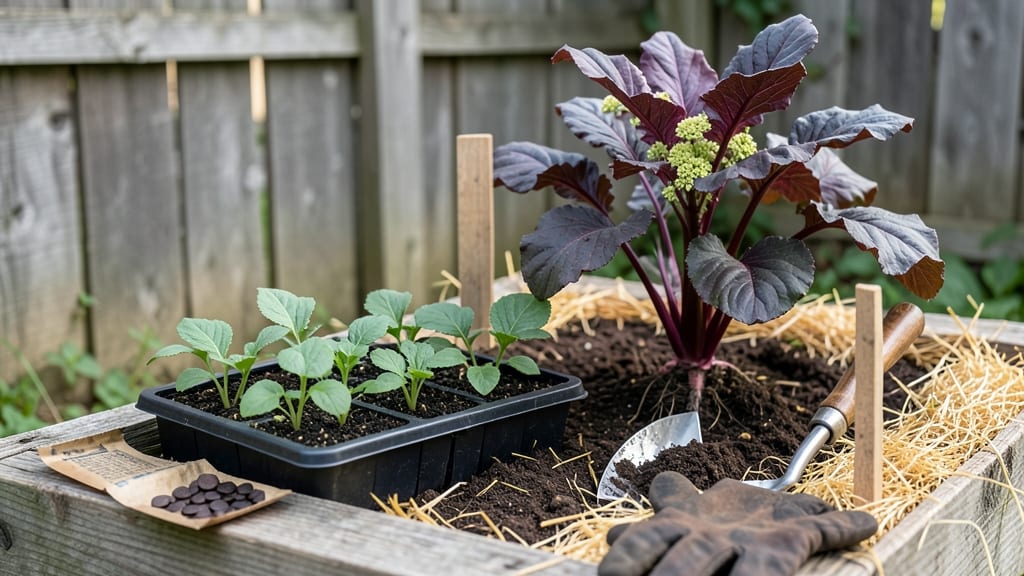
Knowing when to plant beets in Zone 6b is the secret to harvesting sweet, tender roots instead of tough, bitter ones. The right timing ensures fast germination and a steady supply of 🍠 from spring through fall.
In Zone 6b, your best bets are early spring (March–April) or late summer (July–August), when soil temperatures hover between 40–85°F. Planting too early risks frost damage, while waiting too late can trigger bolting—when beets flower instead of forming roots.
I’ll show you exactly how to time your plantings for a continuous harvest, including succession planting tricks to keep fresh beets on your table from June through November. No more guessing—just reliable results.
Ready to grow beets that taste like summer? Let’s break down the ideal schedule, soil prep, and spacing secrets that work in Zone 6b.

Best planting months for beets in Zone 6B: exact calendar & soil conditions
Beets thrive in Zone 6B when planted during two key windows: early spring and late summer. The average last frost date for this zone is around April 15, while the first frost typically arrives by October 15.
To maximize your harvest, focus on these optimal planting periods based on soil temperature and daylight.
For spring planting, aim to sow seeds 4–6 weeks before your last frost date—usually mid-March to early April. Beets germinate best in cool soil (40–50°F), so avoid planting until the ground warms slightly.
If you’re eager to start earlier, use row covers to protect tender seedlings from late frosts.
Here’s how to align your planting with Zone 6B’s climate for foolproof results:
| Planting Window | Soil Temp (°F) | Days to Germination | Harvest Window | Key Notes |
|---|---|---|---|---|
| Early Spring (Primary) | 40–50°F | 7–14 days | 60–70 days | Plant 4–6 weeks before last frost (typically March–April in Zone 6B). Use row covers for cold snaps. |
| Late Spring (Succession) | 50–70°F | 5–10 days | 50–60 days | Sow every 2–3 weeks until June 15 for continuous harvest. |
| Early Fall (Secondary) | 60–75°F | 5–12 days | 50–60 days | Plant 8–10 weeks before first frost (typically August–early September). Avoid bolting with proper spacing. |
Fall planting is a game-changer for Zone 6B gardeners, offering a second harvest before winter sets in. Start seeds in late July or early August to ensure they mature before the first frost.
Choose bolt-resistant varieties like ‘Detroit Dark Red’ or ‘Golden’ to handle the warmer soil temperatures of late summer.
Pro tip: Test your soil temperature with a soil thermometer before planting. Beets won’t germinate well in soil hotter than 85°F, so wait until evening temps drop below 75°F for fall sowings. If your soil is too warm, use shade cloth to cool it down.
For succession planting, stagger your sowings every 2–3 weeks from spring through early summer. This ensures a steady supply of fresh beets from June through October. Just remember: thin seedlings to 3–4 inches apart to prevent overcrowding, which leads to small, misshapen roots.
🌱
Best planting months for beets in Zone 6B: exact calendar & soil conditions
In Zone 6B, your beet planting schedule hinges on two critical factors: soil temperature and frost dates. Beets thrive when soil stays between 40–85°F, but germination slows below 50°F and speeds up above 70°F.
The key is planting when your garden can support steady growth without bolting (flowering prematurely).
For most of Zone 6B, the last spring frost typically falls around April 15, while the first fall frost arrives by October 15. This gives you a 165-day growing window—perfect for two planting cycles: early spring (March–April) and late summer (July–August).
Let’s break down the exact timing for each.
| Planting Window | Soil Temp (°F) | Days to Germination | Harvest Window | Key Notes |
|---|---|---|---|---|
| Early Spring (Primary) | 40–50°F | 7–14 days | 60–70 days | Plant 4–6 weeks before last frost (typically March–April). Use row covers for cold snaps to protect young seedlings. |
| Late Spring (Succession) | 50–70°F | 5–10 days | 50–60 days | Sow every 2–3 weeks until June 15 for a continuous harvest. Avoid planting after mid-June to prevent bolting. |
| Early Fall (Secondary) | 60–75°F | 5–12 days | 50–60 days | Plant 8–10 weeks before first frost (typically August–early September). Choose bolt-resistant varieties like ‘Detroit Dark Red’ for fall success. |
Pro tip: Use a soil thermometer to confirm temperatures before planting. If your soil is below 40°F, wait a week or two—cold soil delays germination and can lead to uneven sprouts. For fall plantings, aim to harvest before October 15 to avoid frost damage to tender roots.
Moon phases also play a role in beet planting. For best results, sow seeds during the waxing moon (when roots grow stronger) or avoid the full moon to prevent leggy growth. Pair this with loose, well-draining soil amended with compost, and you’ll set your beets up for success.
Remember: Beets are cool-season crops, so they’ll tolerate light frosts after germination. If a late spring frost hits, simply add a row cover until temperatures stabilize. This protects young plants while allowing sunlight to penetrate.
With these exact planting windows and soil conditions in mind, you’re ready to sow beets that germinate fast, grow strong, and deliver a harvest from June through November. Next, we’ll dive into succession planting strategies to maximize your yield without overcrowding.