
Plants
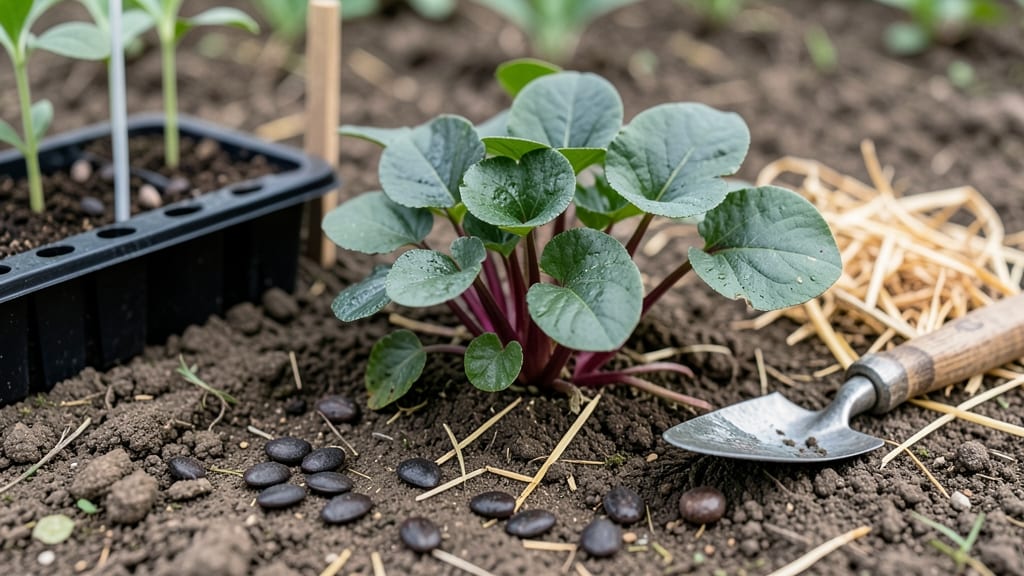
Timing your beet 🍠 planting in Minnesota isn’t just about dates—it’s about catching the perfect soil temperature window for fast germination and avoiding frost damage. Plant too early, and your seeds might rot in cold soil; too late, and you’ll miss the sweetest harvest of the season.
Minnesota’s 4a-5b climate gives you two ideal planting windows: mid-April to early June for spring beets and mid-July to early August for fall crops. But here’s the game-changer: soil temperature matters more than the calendar.
Beets need soil that’s at least 40°F to sprout reliably, while ideal germination happens between 50-60°F—so knowing when to check your soil could mean the difference between a thriving garden and a wasted packet of seeds.
Whether you’re a first-time gardener or a seasoned green thumb, mastering these triggers will help you grow beets that are fast-growing, tender, and packed with flavor.
I’ll walk you through exactly how to time your plantings, test soil conditions, and even extend your harvest with succession planting—so you can enjoy fresh, homegrown beets from June through October.
Ready to turn your Minnesota garden into a beet bonanza? Let’s dive into the soil temperature secrets that’ll give your beets the best possible start.
Minnesota beet planting calendar: optimal dates by soil temperature zones
Timing your beet planting in Minnesota isn’t just about avoiding frost—it’s about hitting the 40–60°F soil temperature window for reliable germination. Beets thrive when the ground warms to at least 45°F, but cooler soils (40°F) slow sprouting to 2–3 weeks.
In Minnesota’s USDA Zones 3–5, this means two prime planting windows: early spring (April–May) and late summer (July–August) for fall harvests.
Southern Minnesota (Zone 5) can start 2–3 weeks earlier than the northern regions (Zone 3), thanks to milder microclimates. For example, Twin Cities gardeners often sow seeds by mid-April, while Duluth gardeners wait until late April or early May.
Use a soil thermometer to confirm readiness—don’t rely on air temperature alone!
Here’s how to align your planting with Minnesota’s frost-free windows:
For extended harvests, use succession planting: Sow seeds every 2 weeks from April to July. This ensures a steady supply of baby beets (harvest at 1–2 inches) and mature roots. In fall, aim to plant by early August to harvest before first frost (mid-October).
Pro tip: Cover seeds with row fabric or a cold frame if planting in April to protect from late frosts. Remove covers once soil warms to 50°F consistently. This trick can shave 1–2 weeks off germination time!
Minnesota’s short growing season (120–150 frost-free days) demands efficiency. Fast-maturing varieties like ‘Detroit Dark Red’ (50 days) are ideal for early spring, while ‘Golden’ (55 days) works for late summer. Pair these with Chioggia (60 days) for a heirloom twist in your fall garden.
Watch for soil moisture during germination—dry soil can delay sprouting even if temperatures are ideal. Keep seeds consistently moist (not soggy) until seedlings emerge. Mulch with straw or grass clippings to retain moisture and regulate soil temperature.
Remember: Beets hate heat. Planting in July or August gives them a head start before summer’s peak. If temperatures exceed 85°F, consider shade cloth to prevent bolting (flowering too soon).
For real-time updates, check the Minnesota Department of Agriculture’s frost charts or your local University of Minnesota Extension office. Their frost prediction models adjust yearly for accuracy.
How to test soil temperature for beet germination success
Testing your soil temperature before planting beets in Minnesota isn’t just a guess—it’s the key to avoiding rotten seeds and slow germination. Beets need soil between 40-60°F to sprout reliably, but temperatures below 40°F can leave your seeds sitting in the dirt for weeks.
A simple soil thermometer (just $10 at garden centers) will save you from wasted seed packets and frustration.
Start checking your soil 2-3 weeks before your target planting date. Minnesota’s spring soil warms unevenly—southern regions like Zone 5b may hit ideal temps by early April, while northern Zone 4a areas might wait until late April or May.
Morning is the best time to test, as soil temps fluctuate less after sunrise.
⚠️ Warning: Cold Soil Risks
Soil below 40°F causes seeds to rot or sprout erratically. If your thermometer reads 35°F or lower, wait at least 7-10 days for a reliable reading before replanting—beets won’t germinate well in cold, wet soil.
Signs your soil is too cold: Seeds look shriveled, no sprouts after 2 weeks, or seedlings appear leggy and weak.
Once your soil hits 50-60°F, it’s time to plant! But here’s a pro tip: Plant slightly deeper (up to 1 inch deep) in cooler soils—this protects seeds from temperature swings near the surface.
In warmer 60-70°F soil (like late May or August), stick to the ½-inch depth recommendation to prevent seeds from drying out.
Moisture matters just as much as temperature. After planting, keep the soil consistently moist (not soggy) by watering gently every 2-3 days until sprouts appear. A quick finger test—if the top inch of soil feels dry, it’s time to water.
Mulch with straw or shredded leaves to lock in heat and moisture, especially in Minnesota’s unpredictable spring weather.
If your seeds still don’t sprout after 2 weeks in ideal soil temps, try soaking them overnight in warm water before replanting. Some varieties, like ‘Detroit Dark Red’, are more finicky about germination conditions, while others like ‘Golden’ are more forgiving.
Keep a planting journal to track which varieties perform best in your microclimate!
Remember: Minnesota’s late frosts can sneak in until mid-May, so always have row covers ready to protect young seedlings. With the right soil temp know-how, you’ll go from seed to harvest in just 50-60 days—even in our short growing season! 🌱