
Plants
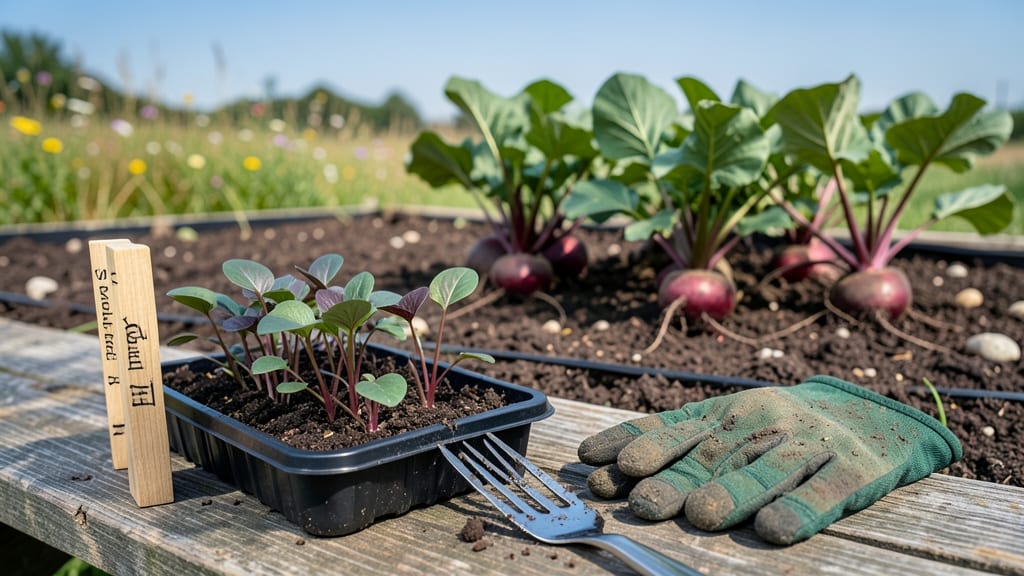
Knowing when to plant beets in South Carolina can mean the difference between sweet, tender roots and bitter, woody disappointments. With the right timing, you’ll enjoy crisp, flavorful harvests twice a year—once in spring and again in fall—while avoiding the pitfalls of summer bolting or winter frost damage.
The key lies in South Carolina’s 7b-8a climate zones, where early spring and late summer are your golden windows. Planting too early risks frost, while waiting too late can lead to heat stress that sends your beets 🍠 flowering instead of forming roots.
I’ll break down the exact months to sow seeds, how to time succession plantings, and which varieties thrive best in your region.
Whether you’re a seasoned gardener or just starting, getting the timing right is the most important step. You’ll learn how to read soil temperatures, adjust for microclimates, and even troubleshoot common mistakes that derail beet harvests. Let’s dive into the perfect planting schedule for your South Carolina garden.
From the first frost dates to the ideal transplanting window, this guide ensures you’ll have a steady supply of homegrown beets all season long. No more guesswork—just delicious, homegrown results. Ready to get started?
South Carolina beet planting timeline by USDA hardiness zones (7b-8a)
South Carolina’s USDA Zones 7b-8a offer two ideal windows for planting beets: early spring and late summer. The key is avoiding bolting (premature flowering) caused by heat stress and timing harvests before the first frost in late November. Let’s break down the exact timing for each zone and season.
For Zone 7b (cooler inland areas), start seeds 4-6 weeks before your last frost date—typically in early February. In Zone 8a (coastal and warmer regions), you can plant as early as late January but aim for February-March to avoid summer heat stress.
Fall plantings should begin in mid-August for a harvest before frost.
Here’s the critical timing for both seasons, including soil temperature requirements and succession planting tips to extend your harvest.
| Season | Planting Window (Zone 7b) | Planting Window (Zone 8a) | Soil Temp | Harvest Window |
|---|---|---|---|---|
| Spring | Early February - Mid-March | Late January - Early April | 50-55°F (10-13°C) | April - May |
| Fall | Mid-August - Early September | Late August - Mid-September | 60-65°F (15-18°C) | October - November |
| Succession Planting | Every 2-3 weeks (March-May) | Every 2-3 weeks (April-June) | 55-60°F (13-16°C) | June - October |
🌱 Pro Tip: Use row covers in spring to warm soil faster and extend the season.
In Zone 7b, where frosts linger longer, focus on early February plantings for a spring harvest. For Zone 8a, you can push it to late January or even early April for a late-summer crop.
The goal is to avoid soil temps above 80°F (27°C), which triggers bolting and bitter roots.
For succession planting, sow seeds every 2-3 weeks from March through May in Zone 7b, or April through June in Zone 8a. This ensures a continuous harvest and reduces the risk of overcrowding. In fall, your last planting should be by mid-September to mature before frost.
If you’re growing baby beets (harvested at 1-2 inches), you can plant later in the season—even up to early June in Zone 8a—but expect smaller roots. For mature beets, stick to the early windows to maximize size and sweetness.
Always check your local frost dates (SC State Climate Office is a great resource) and adjust by 2-3 weeks if your microclimate runs warmer or cooler than the zone average. Coastal areas, for example, may handle earlier fall plantings than inland farms.
One common mistake is planting too late in spring. If seeds sprout when soil temps exceed 75°F (24°C), they’ll bolt quickly. To prevent this, use shade cloth or plant in partial shade during peak afternoon heat.
For fall plantings, aim for a 90-day harvest window before your first frost. In Zone 8a, that means starting by mid-August for a late-October harvest. In Zone 7b, push it to early September to avoid frost damage.
Finally, mulch heavily in fall to insulate roots and extend the harvest window. Straw or leaves can add 2-4 weeks to your growing season, letting you enjoy beets well into November.
South Carolina beet planting timeline by USDA hardiness zones (7b-8a)
South Carolina’s USDA Zones 7b-8a offer two perfect windows for planting beets: early spring and late summer. The key is avoiding frost—your last frost date typically falls around mid-March, while the first frost arrives in late November.
Planting too early risks frost damage, while waiting too late can trigger bolting (flowering) in summer’s heat.
For spring plantings, start seeds indoors or in cold frames by late January to transplant outdoors by February. This gives roots enough time to mature before summer heat sets in.
In Zone 8a, where summers are longer, you can even squeeze in a late-summer planting for a fall harvest by sowing seeds in August.
Soil temperature is your best guide—wait until the ground warms to 50°F (10°C) before planting. Use a soil thermometer to check, especially in cooler microclimates like the Upstate. In warmer Lowcountry areas, you can plant slightly earlier, but avoid soggy soil to prevent rot.
For succession planting, sow new seeds every 2 weeks until early June to ensure a continuous harvest. This works especially well for baby beets, which mature faster (in 45-55 days) than full-sized roots.
In Zone 8a, you can even push it to early July for a late-summer crop, but monitor for bolting if temperatures exceed 80°F (27°C).
If you’re growing mature beets, aim for a 70-day harvest window. Plant your first batch in February and your last in August to avoid summer heat stress.
Mulch with straw to keep soil cool and retain moisture, which is critical in South Carolina’s sandy loam soils that dry out quickly.
Don’t forget to thin seedlings to 3-4 inches apart once they’re 2-3 inches tall. Crowded beets compete for nutrients and produce smaller, misshapen roots. Use sharp scissors to avoid disturbing nearby plants, and save the thinned seedlings for beet greens, which are edible and nutritious.
Timing your plantings this way ensures you’ll have sweet, tender beets from spring through fall—no bitter surprises here! With these strategies, you’ll master the art of growing beets in South Carolina’s unique climate. 🌱