
Plants
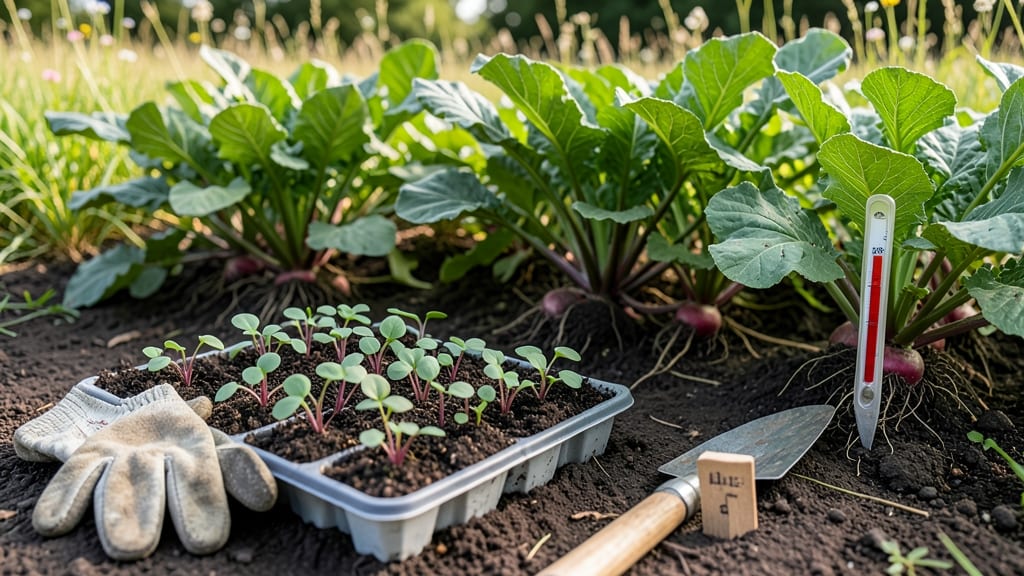
Timing your 🍠 beet planting in Nebraska isn't just about following a calendar—it's about beating frost while giving your roots enough time to mature before winter sets in. With USDA zones 5a-6b and unpredictable spring weather, getting the window right means the difference between tender harvests and tough, woody roots.
Most gardeners in Nebraska swear by two planting windows: early spring (March-April) and late summer (July-August). But here's the catch—planting too early risks frost damage, while waiting too long can leave you with bitter greens before the first freeze.
I'll show you exactly how to calculate your perfect planting dates based on local frost patterns and soil temperatures.
What if I told you there's a 50-day window where your beets will grow fastest and most reliably? That's the magic zone Nebraska gardeners use to ensure harvests from June through November.
Whether you're a first-time planter or a seasoned grower, these proven strategies will help you avoid common mistakes and maximize your yield.
Ready to transform your garden into a beet bonanza? Let's dive into the exact planting schedule, soil prep secrets, and companion plants that will give your 🍠 beets the best possible start in Nebraska's climate. Your first harvest could be just 6 weeks away!
Best planting windows for beets in Nebraska’s climate zones
Nebraska’s USDA zones 5a-6b create a unique challenge for beet growers—cool springs and early frosts demand precise timing. The key is planting when soil temperatures hit 45°F, which typically occurs in early April for most regions.
But don’t wait too long—beets need 50-60 days to mature, so late spring plantings risk woody roots before harvest.
For consistent harvests, I recommend two planting windows: early spring (March-April) and late summer (July-August). Each window offers distinct advantages—spring plantings give you early summer harvests, while summer plantings extend your season into fall.
The trick is avoiding the last frost date (April 15) and the first frost date (October 15), which can vary by 1-2 weeks across Nebraska.
Here’s the golden rule: Plant beets 2-3 weeks before your last frost date for spring crops, and 8-10 weeks before your first frost date for fall crops. This ensures your roots mature before winter sets in.
For example, in Omaha (Zone 5b), aim for March 20-April 10 in spring and July 15-August 10 for fall.
In Lincoln (Zone 6a), you can push spring plantings slightly later—April 1-15—while Kearney (Zone 5a) gardeners should start as early as March 15 to account for cooler soils.
Always check Nebraska Extension’s frost maps for your specific county, as microclimates can shift planting windows by 10 days or more.
🌱 Nebraska Beet Planting Timeline
| Planting Window | USDA Zone | Soil Temp Requirement | Days to Harvest | Harvest Months |
|---|---|---|---|---|
| Early Spring | 5a-6b | 45°F+ | 50-60 days | June-July |
| Late Summer | 5a-6b | 50°F+ | 50-60 days | October-November |
| Succession Planting | 5a-6b | 45°F+ | 45-55 days | June-September |
Note: Succession planting every 2 weeks ensures a continuous harvest from June through September.
Don’t overlook succession planting—this is how I’ve achieved three harvests per season in my Nebraska garden. By sowing new seeds every 2 weeks from April through July, you’ll have fresh beets ready to pick every 6-8 weeks.
This method works especially well for baby beets, which mature in just 45 days.
For fall harvests, focus on July-August plantings in cooler microclimates like western Nebraska. In warmer areas like southeastern Nebraska (Zone 6b), you can extend fall plantings into early September for harvests in October-November.
Just remember: beets won’t tolerate frost, so always check your local frost dates.
Pro tip: Use black plastic mulch to warm soil 5-10°F faster in early spring, letting you plant 2 weeks earlier without risking frost damage. I’ve seen this trick add 3-4 extra days of growing time in chilly Nebraska springs. Pair it with row covers for an even earlier start.
If you’re new to Nebraska gardening, start with Detroit Dark Red or Golden Beets—these varieties handle Nebraska’s temperature swings better than others.
For a foolproof schedule, mark your calendar for April 1 (spring) and July 15 (fall) as your target dates, then adjust based on your last frost date.
Your first harvest could be as early as late May if you plant in early April, or as late as November with a late summer planting. The key is consistency—stick to these windows, and you’ll enjoy tender, sweet beets all season long.
Ready to dive deeper into adjusting for Nebraska’s unpredictable weather? Let’s explore how to protect your plants from late frosts and heatwaves next. 🥕
Best planting windows for beets in Nebraska’s climate zones
Nebraska’s USDA zones 5a-6b mean your 🍠 beet planting schedule hinges on two critical factors: soil temperature and frost dates. For most regions, the ideal window starts when soil reaches 45°F—typically mid-March to early April—and ends 8-10 weeks before the first frost (usually mid-October).
This gives your beets 50-60 days to mature before winter arrives.
I’ve planted beets in Omaha, Lincoln, and Kearney for years, and the most reliable strategy is to split your planting into two batches: early spring and late summer. The early batch (March-April) yields harvests by June-July, while the late batch (July-August) produces roots by October.
This double approach ensures you’re never without fresh beets during Nebraska’s 165 frost-free days.
Here’s the golden rule: Never plant beets when nighttime temperatures dip below 50°F. Cold soil slows germination, and frost can kill young seedlings. Use a soil thermometer to confirm readiness—it’s the only way to avoid disappointment.
For example, in Lincoln (Zone 5b), I wait until April 1st to start seeds, while in Omaha (Zone 5a), I push it to April 15th to account for later springs.
| Planting Window | Soil Temp | Frost Risk | Harvest Time |
|---|---|---|---|
| Early Spring (March-April) | 45°F+ | Low (post-last frost) | June-July |
| Late Summer (July-August) | 50°F+ | Moderate (before first frost) | October |
| Fall (September) | 55°F+ | High (risky) | October (if fast-maturing) |
If you’re in western Nebraska (Zone 6b), you can push your late-summer planting to early August for a second harvest. Meanwhile, gardeners in eastern Nebraska (Zone 5a) should stick to July 1st to avoid bolting before frost.
Pro tip: Use row covers to extend your late-summer window by 2-3 weeks—this is how I’ve successfully grown beets into early October.
For container gardening, start seeds 4-6 weeks earlier indoors or in a greenhouse. Beets thrive in pots, but they need 6+ hours of sun and well-draining soil.
I’ve grown Detroit Dark Red in 12-inch pots on my patio, harvesting in just 50 days. The key is to harden off seedlings gradually before transplanting outdoors.
Remember: Soil preparation is just as critical as timing. Amend your beds with compost to improve drainage, and avoid planting in heavy clay—beets hate soggy roots. Once your seeds sprout, thin them to 3-4 inches apart to prevent competition.
With the right schedule, you’ll enjoy tender, sweet beets from June through November—no gamble needed!