
Plants
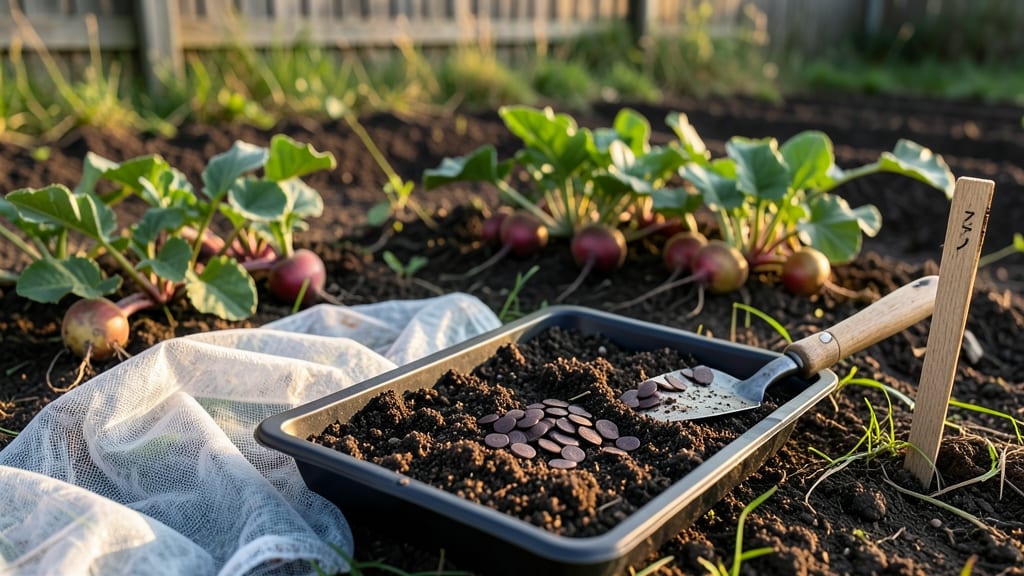
Timing your beet planting in Zone 7b could make or break your harvest—especially when those late spring frosts or scorching summers throw off your rhythm.
I’ve grown 🍠 beets in 7b for years, and the key? Planting early spring (March–April) or late summer (July–August) to dodge both frost and heat stress. Miss these windows, and you’ll either wait forever for harvests or watch your seedlings bolt into bitter greens.
What if I told you there’s a 50-day window where beets thrive fastest in 7b’s mild climate? We’ll break down the exact frost-free timeline, soil tricks, and even how to stretch your harvest through succession planting—no guesswork, just results.
Let’s get your beet patch growing like a pro, with fewer flops and more homegrown sweetness on your table.

Optimal planting windows for beets in Zone 7b
In Zone 7b, where winters are mild but summers can be scorching, timing is everything for growing beets. The average last frost date is around March 15, while the first frost typically arrives by November 15.
This gives you two prime planting windows: early spring and late summer. Planting outside these windows risks bolting (premature flowering) or frost damage.
For spring plantings, start seeds indoors 4-6 weeks before your last frost (around February 1-15) or sow directly in the garden once soil temperatures reach 45°F.
This usually aligns with mid-March to early April. Fall plantings should begin 8-10 weeks before your first frost, ideally in late July or early August, to ensure a harvest before winter sets in.
Soil temperature is critical—beets won’t germinate well in cold soil. Use a soil thermometer to confirm it’s at least 45°F before planting.
If your soil is too cold, wait 1-2 weeks or use black plastic mulch to warm it faster. Well-drained, loose soil with a pH of 6.0-7.0 is ideal for beet growth.
📅 Zone 7b Beet Planting Timeline
| Season | Planting Window | Soil Temp | Key Notes |
|---|---|---|---|
| Spring | Mid-March to Early April | 45°F+ | Direct sow after last frost; thin seedlings to 2-3" apart. |
| Fall | Late July to Early August | 50°F+ | Sow 8-10 weeks before first frost; harvest before soil cools. |
| Indoor Start | February 1-15 | 65°F+ | Transplant seedlings 4-6 weeks later; harden off first. |
🌱 Pro Tip: Use row covers in early spring to protect seedlings from unexpected late frosts.
In Zone 7b, summer heat can cause beets to bolt, especially if planted too late. To avoid this, choose heat-tolerant varieties like 'Detroit Dark Red' or 'Golden', and always plant in partial shade during peak summer months.
If your garden gets hotter than 85°F, consider using shade cloth (30-50%) to keep soil temperatures down.
For a continuous harvest, practice succession planting every 2 weeks from spring through early summer. This ensures you’re always harvesting fresh beets while avoiding a glut. In fall, plant a final succession 6-8 weeks before your first frost to maximize your yield before winter arrives.
Always monitor your local microclimate—areas near large trees or buildings may frost earlier or stay warmer longer. Adjust your planting dates accordingly. For example, if your garden is in a low-lying area, plant slightly later to avoid early spring frosts.
After planting, keep soil consistently moist but not waterlogged, especially during germination. Mulch with straw or grass clippings to retain moisture and suppress weeds. This is particularly important in Zone 7b’s dry summers, where soil can dry out quickly.
Finally, remember that beets are cool-season crops at heart. While they tolerate some heat, they grow best when temperatures are between 50°F and 75°F. Plan your planting windows to align with these ideal conditions for the fastest, most flavorful harvests.
Optimal planting windows for beets in Zone 7b
Zone 7b’s mild winters and hot summers create a unique challenge for beet growers. The sweet spot? Planting when soil temps hit 40°F but before 80°F—any hotter, and your beets bolt into bitter greens faster than you can say "harvest."
In my garden, I’ve found two ideal windows that align with Zone 7b’s last frost (March 15) and first frost (November 15). Miss these, and you’ll either fight frost or watch your crop rush to seed.
For spring planting, aim for late February to early April—once soil warms to 40°F but before 70°F. This gives you a 50-day harvest window before summer heat sets in. Fall planting? July to early August is your chance for a second crop.
🌱 Beet Planting Timeline for Zone 7b
| Season | Planting Window | Soil Temp | Key Notes |
|---|---|---|---|
| Spring | Late February–Early April | 40–70°F | Avoid frost; harvest by June |
| Fall | July–Early August | 60–75°F | Prevent bolting; harvest by October |
✅ Pro Tip: Use row covers to extend spring planting by 2–3 weeks if frost threatens.
Proper timing isn’t just about dates—it’s about soil conditions. Test your soil’s pH (6.0–7.0) and drainage before planting. Compacted or waterlogged soil? Amend with compost or sand to prevent rot.
For succession planting, sow seeds every 2 weeks in spring and 3 weeks in fall. This keeps your harvest steady and avoids gluts. I’ve even planted Detroit Dark Red and Golden varieties side by side for color and flavor variety.
Remember: Beets hate heat. If your summer stretches into 90°F+, opt for shade cloth or drip irrigation to keep roots cool. Your goal? Sweet, tender beets—not woody, bitter ones.