
Plants
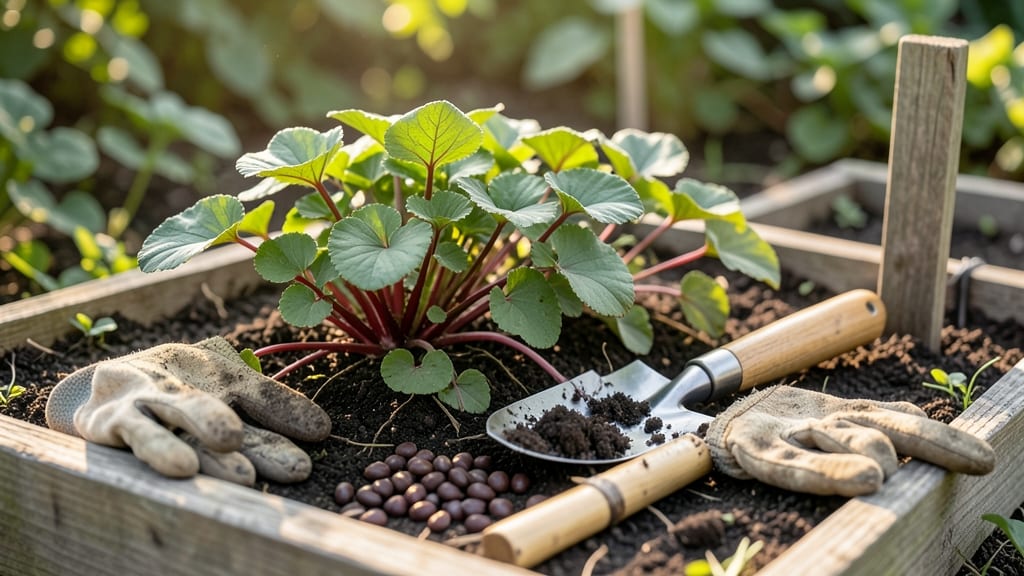
Timing your beet planting in Connecticut could mean the difference between a bumper crop of sweet, tender roots and a sad, frost-nipped failure.
With Connecticut’s USDA Zone 6a climate, you’ve got just a narrow window to get those seeds in the ground—March 15 to April 30 for spring and September 1 to October 15 for fall—before the first frost hits.
But here’s the thing: even within that window, getting it just right makes all the difference. Plant too early, and your young beets might bolt or get zapped by late frosts.
Too late, and you’ll miss the peak harvest months of June-July or October-November when those earthy roots taste their best. I’ll break down the exact frost dates, soil prep secrets, and even how to adjust for Connecticut’s tricky microclimates—whether you’re in a city garden or a rural patch.
You’ll also discover how to extend your harvest season with smart planting tricks, so you’re not stuck with just one shot at beets.
Plus, I’ll share the most foolproof tips for Connecticut gardeners—like which beet varieties handle our clay-heavy soil best and when to give them that extra boost of fertilizer. Ready to grow beets that’ll make your neighbors jealous?
Let’s dive into the perfect planting schedule so you can enjoy fresh, homegrown 🍠 from spring through fall—no guesswork, just delicious results.
Best planting windows in Connecticut for beets based on frost dates
Connecticut’s USDA Zone 5b-6a climate means frost dates dictate your beet planting schedule. The last spring frost typically hits around April 15, while the first fall frost arrives by October 20. These dates create two ideal planting windows: spring (March 15–April 30) and fall (September 1–October 15).
For spring plantings, aim to sow seeds 4–6 weeks before your last frost date. This gives seedlings time to establish roots before warm soil triggers bolting (flowering). In Connecticut, that means starting as early as mid-March in protected beds or under row covers.
Fall plantings should occur 8–10 weeks before the first frost to ensure mature roots before cold sets in. September 1–15 is your best bet for a late-season harvest. Use cold-hardy varieties like ‘Detroit Dark Red’ or ‘Golden’ for extended fall production.
Here’s how to use Connecticut’s frost-free days (165 days) to your advantage: Plant early varieties (e.g., ‘Babybeat’) in early spring for a June harvest, then succession plant every 2 weeks until mid-May. For fall, focus on late August–September sowings.
| Planting Window | Best Varieties | Harvest Time | Frost Risk |
|---|---|---|---|
| March 15–April 30 (Spring) | ‘Babybeat’, ‘Early Wonder’ | June–July | Low (post-April 15) |
| September 1–October 15 (Fall) | ‘Detroit Dark Red’, ‘Golden’ | October–November | High (post-October 20) |
| May 15–June 15 (Succession) | ‘Chioggia’, ‘Lutz Winterkeeper’ | July–August | None (summer heat) |
🌱 Pro Tip: Use the USDA Plant Hardiness Zone Map to refine local frost dates by town.
If you’re unsure about your exact frost dates, check the UConn Home & Garden Education Center or use the USDA Frost Calculator. Input your ZIP code to get precise last/first frost averages for your microclimate. Urban areas like Bridgeton may frost later than rural Norwich, so adjust accordingly.
For container gardening in Connecticut, start seeds indoors 6–8 weeks before transplanting outdoors. Use biodegradable pots to avoid root disturbance, and harden off seedlings for 7–10 days before moving them to full sun locations.
Remember: Beets are cool-season crops, so avoid planting during peak summer heat (July–August). High temperatures cause bolting, turning sweet roots bitter. Instead, focus on spring and fall for the best flavor and texture.
To maximize your harvest, pair beet plantings with fast-maturing radishes (which you can pull before beets need space) or lettuce (which thrives in similar conditions). This intercropping strategy makes the most of Connecticut’s short growing season.
Finally, keep a planting journal to track your beet harvests. Note which varieties perform best in your specific CT location and adjust future planting dates based on your observations. Over time, you’ll fine-tune your schedule for perfectly timed beets every season.
Best planting windows in Connecticut for beets based on frost dates
Connecticut’s USDA Zone 6a climate gives you two prime windows to plant beets: spring (March 15–April 30) and fall (September 1–October 15). These dates align with the last average frost (April 15) and first frost (October 20), ensuring your beets mature before cold snaps.
But here’s the catch: urban areas like Hartford may frost later than rural spots in Litchfield County, so adjust by 1–2 weeks based on your microclimate.
For spring planting, start seeds indoors 4–6 weeks before your last frost (around March 1) if you’re eager for an early harvest. Direct-sow outdoors as soon as soil reaches 50°F, which typically happens by mid-March in southern CT.
In northern zones, wait until early April to avoid frost damage. Early varieties like ‘Detroit Dark Red’ mature in 50–55 days, perfect for a June harvest.
Fall planting is just as critical—sow seeds by September 1 for a late-October harvest before hard frosts set in. Choose cold-hardy varieties like ‘Rainbow Mix’ or ‘Golden’ for sweeter roots.
If you miss this window, consider overwintering beets with mulch (straw or leaves) to protect them through winter for an early spring harvest.
🌱
| Planting Window | Frost Considerations | Best Varieties | Harvest Time |
|---|---|---|---|
| Spring: March 15–April 30 | Avoid frost by waiting until soil is 50°F+. | ‘Detroit Dark Red’, ‘Chioggia’ (striped) | June–July |
| Fall: September 1–October 15 | Plant early to finish before first frost (Oct 20). | ‘Rainbow Mix’, ‘Golden’ (sweeter when cold) | October–November |
| Overwinter: October 15–November 15 | Mulch heavily to survive 20°F+ winters. | ‘Boltardy’ (cold-resistant) | Early spring (April–May) |
📅 Pro Tip: Use the Old Farmer’s Almanac for your exact CT location!
To nail your planting schedule, check the USDA Plant Hardiness Zone Map for your specific CT town—some areas like New Haven have Zone 6b, allowing a slightly later spring start.
For precision, use the USDA Frost Calculator to input your zip code and get localized frost dates. This tool accounts for microclimates, so you won’t over- or under-plant.
If you’re unsure about your soil’s readiness, do a quick finger test: press your finger into the soil. If it springs back slowly, it’s too cold. If it holds a slight indentation, it’s perfect for planting. Pair this with a soil thermometer (aim for 50°F+) for foolproof timing.
For gardeners in Zone 5b (northwest CT), like Torrington, push spring planting to April 15 to avoid late frosts. In Zone 7a (southeast CT, like Groton), you can start as early as March 1 and enjoy a longer harvest window.
These adjustments ensure your beets thrive regardless of where you garden in the state.
🌿