
Plants
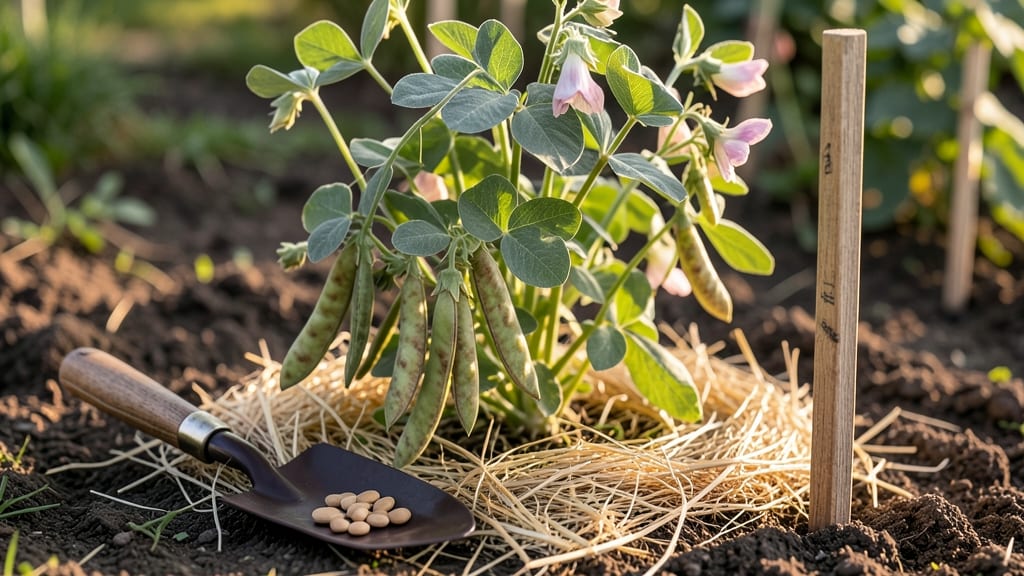
Timing your fava bean planting in California isn’t just about the calendar—it’s about outsmarting the state’s wild microclimates. Whether you’re in foggy coastal USDA Zone 9-10 or sunbaked inland valleys (Zone 7-9), planting these cold-hardy legumes at the wrong time can mean missed harvests or stunted growth.
Most gardeners in California plant fava beans in fall (October-November) or early winter (December-January) to take advantage of cool temperatures and winter rains. But here’s the catch: coastal areas can plant later than inland regions, where frost arrives earlier.
The key is aligning your planting with your local frost dates and soil conditions.
In this guide, I’ll break down the best months to plant fava beans across California’s diverse regions, including soil prep tips and companion planting strategies.
Whether you’re a coastal gardener or tucked in a valley, you’ll learn exactly when to get those seeds in the ground for a bountiful spring harvest.
Ready to grow your own 🌱 fava beans like a pro? Let’s dive into the timing secrets that’ll make your garden thrive—no matter where you are in the Golden State.
Best planting months for fava beans in California by region
Fava beans thrive in California’s cool-season climate, but the best planting months depend on your microclimate. Unlike heat-loving crops, favas need chilly temperatures (40-70°F) to grow well.
Planting too early or late can lead to poor germination or bolting (premature flowering). Below are the ideal windows for California’s four key regions.
Northern California (USDA Zones 7-9, e.g., Sacramento, Redding) has cooler winters and later frost dates than Southern California. Here, favas grow best when sown October through December, with harvests ready by March-May.
The coastal fog belt (San Francisco, Santa Cruz) extends this window slightly later due to milder winters.
Central Coast (USDA Zones 8-10, e.g., Monterey, Santa Barbara) offers a longer growing season thanks to moderate winter temps. Plant favas from September through November for a spring harvest. The cooler coastal areas (e.g., Big Sur) can even handle early September sowings if soil stays moist.
Southern California (USDA Zones 9-11, e.g., Los Angeles, San Diego) has milder winters and earlier frost risks. Plant favas from October through November, but avoid late November in inland valleys (e.g., Riverside) where unexpected frosts can damage young plants.
Coastal areas like San Diego can extend planting to early December.
The high desert (e.g., Death Valley, Eastern Sierra) has cold winters and short growing seasons. Here, favas must be planted by late September to mature before first frosts in November. Use cold-hardy varieties like 'Aquadulce' and protect seedlings with row covers if nights dip below 30°F.
| Region | USDA Zone | Best Planting Months | Harvest Window | Key Notes |
|---|---|---|---|---|
| Northern CA | 7-9 | October–December | March–May | Cooler winters; extend to Jan in coastal fog zones. |
| Central Coast | 8-10 | September–November | March–May | Mild winters; coastal areas can plant later. |
| Southern CA | 9-11 | October–November | March–April | Avoid late Nov in inland valleys; coastal areas can plant Dec. |
| High Desert | 5-7 | Late September | November–December | Short season; use cold-hardy varieties and row covers. |
For coastal gardeners, the Pacific Ocean’s moderating effect means later planting is often possible. In San Francisco, for example, favas can be sown as late as early December and still produce a spring harvest.
Inland valleys like Central Valley or Antelope Valley should stick to October-November to avoid early frosts.
If you’re unsure about your last frost date, check local weather stations or use the USDA Plant Hardiness Zone Map. A general rule: plant favas 4-6 weeks before your area’s average first frost.
This gives seedlings time to establish before winter chills slow growth. For example, in Los Angeles (Zone 10), aim for October 15, while Sacramento (Zone 9) gardeners should plant by November 1.
Pro tip: Soil temperature matters just as much as air temperature. Favas germinate best in soil between 50-70°F. Use a soil thermometer to check before planting—cooler soils in spring can delay germination.
If your soil is too warm (above 75°F), wait until fall temperatures drop or use shade cloth to cool the soil.
Remember, fava beans are biennial, meaning they produce leaves in their first year and flowers/pods in the second. If you plant in fall, you’ll harvest next spring
Best planting months for fava beans in California by region
California’s microclimates create a patchwork of ideal planting windows for fava beans. In Northern California (USDA Zones 7-9), aim for October through November—this gives plants time to establish roots before winter rains arrive. Coastal areas like San Francisco can plant as late as December thanks to milder winters.
For the Central Coast (Zones 8-10), September to October is prime time. The Mediterranean climate here means fall rains kick in just as your beans need them. Inland valleys like Sacramento should plant by mid-October to avoid early frosts that can damage young seedlings.
Southern California gardeners (Zones 9-10) have more flexibility—October through December works well. Areas like Los Angeles can even plant in January for a spring harvest, but avoid planting after February when heat stress becomes a risk.
High-desert regions (Zones 6-8) like Eastern Sierra must plant earlier—between September and October. These areas experience colder winters and shorter growing seasons, so timing is critical to avoid frost damage before harvest.
| Region | Best Planting Window | Frost Risk | Soil Temp |
|---|---|---|---|
| Northern CA (Zones 7-9) | October - November | High (Dec-Jan) | 50-60°F |
| Central Coast (Zones 8-10) | September - October | Moderate (Nov-Dec) | 55-65°F |
| Southern CA (Zones 9-10) | October - December | Low (Jan-Feb) | 60-70°F |
| High Desert (Zones 6-8) | September - October | Very High (Oct-Nov) | 45-55°F |
Remember: fava beans thrive in cool weather (ideal soil temps: 50-65°F). Planting too early in warm soil can cause seeds to rot, while planting too late risks frost damage before harvest.
Always check your local first frost date—most California regions see their first frost between November and January.
Pro tip: Use a soil thermometer to confirm temps before planting. If soil is above 65°F, wait 2-3 weeks for cooler conditions. With the right timing, your fava beans will reward you with sweet, protein-rich pods by spring! 🌱