
Plants
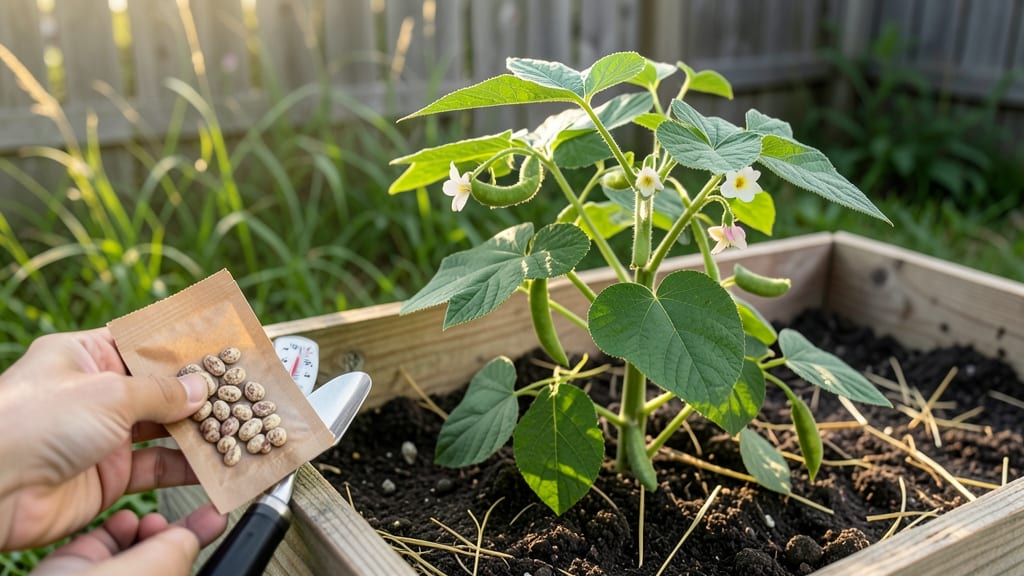
Planting beans in Indiana at the wrong time can mean the difference between a bountiful harvest and wasted effort—especially when unpredictable spring weather throws a curveball.
The sweet spot for planting 🌱 beans is after the last frost and when soil temperatures hit that critical 60°F threshold, but figuring out exactly when to pull the trigger can feel like guessing.
I’ve learned the hard way that rushing too early leads to weak seedlings, while waiting too long risks stunted growth. Indiana’s Zone 6a climate demands precision, and the window between April 15 and May 15 is your best bet—but there’s more to it than just dates.
Soil warmth, variety selection, and even microclimates across the state play a huge role in whether your beans take off or fizzle out.
In this guide, I’ll break down the science behind reliable germination, share the best planting strategies for both bush and pole beans, and reveal how to prep your soil for success.
Whether you’re a first-time gardener or a seasoned grower, these tricks will help you time your planting like a pro—so you can enjoy fresh, homegrown beans from July through September.
No more second-guessing, no more trial and error. Let’s get your beans growing strong and steady, no matter what Indiana’s spring throws your way.
Indiana bean planting calendar: best months based on microclimates
Indiana’s diverse climate means northern regions like Gary freeze later than southern areas like Evansville. For consistent germination, align your planting with local frost dates and soil warmth. Most Hoosiers should aim for mid-April to mid-May, but microclimates shift these windows by 2-3 weeks.
Bush beans (50-60 days to harvest) tolerate cooler soils better than pole beans (60-80 days). In colder zones, start with bush varieties like 'Blue Lake'—they’ll germinate at 55°F while pole beans stall below 60°F.
Southern Indiana gardeners can push plantings into late May for a fall harvest.
Here’s how to adjust your schedule by region:
| Region | Last Frost Date | Best Planting Window | Recommended Varieties |
|---|---|---|---|
| Northern (Gary, South Bend) | April 20–May 5 | May 1–15 (after soil hits 60°F) | 'Kentucky Wonder' (pole), 'Blue Lake' (bush) |
| Central (Indianapolis, Lafayette) | April 10–20 | April 25–May 10 | 'Contender' (bush), 'Rattlesnake' (pole) |
| Southern (Evansville, Terre Haute) | March 25–April 10 | April 15–May 15 (or late May for fall crop) | 'Provider' (pole), 'Tendergreen' (bush) |
Pro tip: Use black plastic mulch to warm soil 5–10°F faster in cooler zones. Lay it down 1–2 weeks before planting to jumpstart germination. For pole beans, which need longer growing seasons, prioritize southern exposures in your garden.
If you’re in a transition zone (e.g., near Lake Michigan), monitor nighttime temperatures. Beans wilt if nights dip below 50°F—use row covers for extra protection. For a second harvest, try late July plantings of heat-tolerant varieties like 'Black Valentine'.
Extend your season by succession planting every 2 weeks until mid-June. This ensures a steady supply of pods instead of one big harvest. Just remember: no beans after July 15—they won’t mature before frost.
For urban gardeners with limited space, container-grown beans thrive in 5-gallon pots and can be planted 2 weeks later than in-ground varieties. The soil in pots warms up faster, giving you flexibility.
Track your local soil temperature with a soil thermometer ($10 at garden centers). Aim for consistent 60°F+ readings for 7+ days before planting. If your soil is cold but the calendar says "go," wait—slow germination = weak plants.
🌱
Soil temperature rules for bean germination: the 60°F threshold explained
If you’ve ever planted beans in Indiana only to watch them sit stubbornly in the soil for weeks—or worse, rot—you’ve likely run into the 60°F soil temperature rule. Beans are warm-season crops, and they simply won’t germinate reliably below this threshold.
In my experience, even a few degrees cooler can delay sprouting by 2-3 weeks, turning a quick harvest into a frustrating wait.
The key is monitoring soil warmth, not just air temperature. A crisp 70°F day can hide 50°F soil, especially in Indiana’s clay-heavy regions. I use a soil thermometer (just $10 at garden centers) to check depth—2 inches deep is where seeds actually need warmth.
Without this tool, you’re essentially guessing, and guesswork rarely pays off in Indiana’s unpredictable spring.
- Rotten seeds from excess moisture
- Weak seedlings that struggle to emerge
- Fungal diseases thriving in damp, cool conditions
But what if your soil is stubbornly cold? I’ve used black plastic mulch to warm beds by 5-10°F in just 24 hours. Lay it down 1-2 weeks before planting—it also suppresses weeds, a bonus in Indiana gardens.
For raised beds, compost or straw mulch works too, though it warms more slowly. If you’re in a hurry, row covers can create a microclimate that speeds up soil warming.
Timing matters just as much as temperature. In northern Indiana, aim for late April to early May when days are longer and soil warms faster. Southern Indiana can start 2 weeks earlier, but always confirm with your local Cooperative Extension Service—they track frost dates and soil trends year-to-year.
I’ve seen years where April planting worked, and others where May was the only safe bet.
Don’t forget: Even after germination, beans need warmth to thrive. If nighttime temps dip below 50°F, use floating row covers to protect young plants. I’ve saved entire rows this way during Indiana’s infamous May frost surprises.
The goal is consistent warmth from planting to harvest—so plan ahead and give your beans the edge they need.
Once your soil hits that 60°F mark, you’re ready to plant. But here’s the secret: Soak seeds overnight before sowing to jumpstart germination. I’ve seen 30-50% faster sprouting with this trick—worth the extra step for Indiana’s short growing season.
Now, let’s talk about which bean varieties handle our state’s heat and humidity best.