
Plants
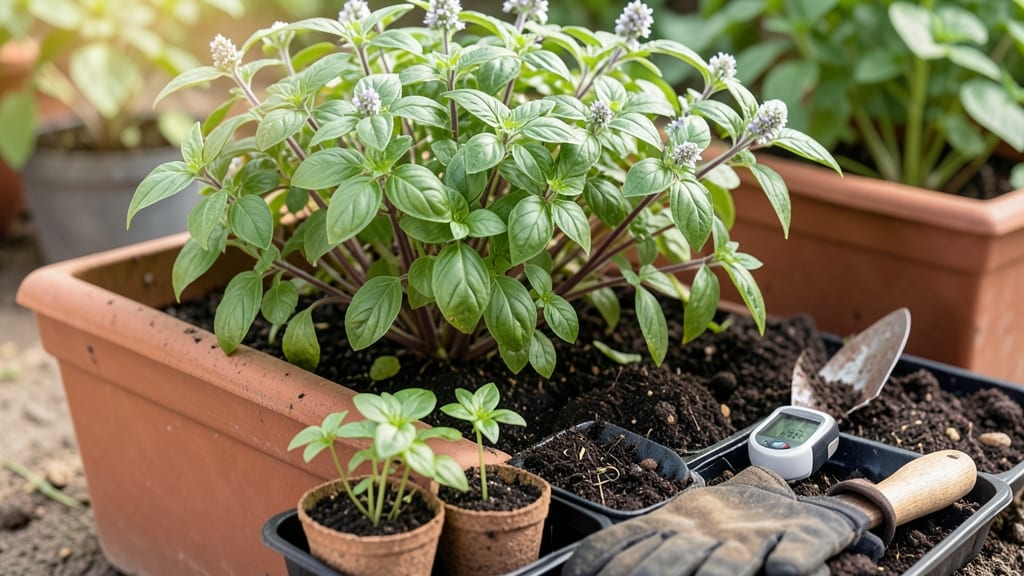
If you've ever planted basil in Virginia only to watch it wilt before summer even arrives, you're not alone.
The key to growing lush, flavorful basil 🌿 isn't just about soil and sunlight—it's about planting at the perfect moment when your zone's last frost has passed and temperatures stay warm enough to keep it thriving.
Virginia gardeners know timing is everything, especially when working with USDA zones 6a-8a. Whether you're in the Piedmont hills or coastal plains, getting your basil in the ground between April 15 and May 15 gives it the best shot at reaching harvestable size before summer's heat sets in.
This window works for both seeds and seedlings, but there are a few tricks to make sure your plants grow strong and productive.
Here's what you need to know: Basil is typically grown as an annual in Virginia, though it might return in milder winters if you're in zone 8a. Container gardening works well too, especially if you want to move plants to protect them from unexpected late frosts.
I'll show you exactly how to time your planting for maximum flavor and yield, plus tips for extending the season so you can enjoy fresh basil all summer long.
Ready to grow basil that doesn't just survive but thrives? Let's dive into the zone-specific planting schedule that'll have you harvesting leaves in June and beyond, with minimal fuss and maximum flavor. Your kitchen—and your garden—will thank you.
Virginia basil planting dates by hardiness zone (5a-8a)
Virginia’s diverse climate means basil planting times vary dramatically from the mountains (Zone 5a) to the coastal plains (Zone 8a). In colder zones, wait until after the last frost date—usually mid-April—while warmer zones can start as early as late March.
Soil temperature is critical: basil seeds need soil at least 50°F to germinate, and seedlings thrive in 60-70°F ranges.
For Zone 5a (mountains), like Roanoke, plant after May 1 to avoid late frosts.
In Zone 6a (Piedmont), such as Charlottesville, you can start mid-April with transplants. Zone 7a (central), including Richmond, allows early April sowing, while Zone 8a (coastal), like Norfolk, can begin late March.
Here’s a quick reference for Virginia’s frost-free windows and ideal transplant dates:
| Zone | Avg. Last Frost | Ideal Planting Window | Soil Temp. for Seeds |
|---|---|---|---|
| 5a (Mountains) | May 1 | May 15–June 1 | 50°F+ |
| 6a (Piedmont) | April 15 | April 1–May 10 | 50°F+ |
| 7a (Central) | March 25 | March 20–April 20 | 50°F+ |
| 8a (Coastal) | March 10 | March 1–April 15 | 50°F+ |
For seeds vs. seedlings, note that direct-sown seeds take 10-15 days to sprout, so start them 2 weeks earlier than your transplant window. Transplants from nurseries are a faster option—just harden them off for 5-7 days before planting.
In Zone 8a, you can even try an early fall planting (late August) for a second harvest before frost.
If you’re growing basil in containers, warm up the soil faster by placing pots on black plastic mulch or using heat mats in early spring. This lets you plant 2-3 weeks earlier than in-ground basil. Just ensure containers have drainage holes to prevent root rot from Virginia’s humid summers.
Pro tip: Use a soil thermometer to confirm soil temps. Basil hates cold soil, and seeds may rot if planted too early. Aim for 60°F+ for best germination rates.
In Zone 5a, consider starting seeds indoors under grow lights in March and transplanting after May 1. This gives your plants a head start before the shorter growing season.
For Zones 7a-8a, you can push the envelope and plant as early as February if using row covers to protect from unexpected cold snaps.
Remember, succession planting is key for continuous harvests. In Zones 7a-8a, sow new seeds every 2 weeks from April to July to keep fresh basil on hand all summer. In Zone 5a, limit succession to May and June to avoid late-season bolting.
Finally, monitor local weather forecasts for unpredictable frost—especially in Zone 6a. A single late frost can wipe out young plants, so have row covers ready if nights dip below 32°F.
Virginia basil planting dates by hardiness zone (5a-8a)
Virginia’s diverse climate means your basil planting dates depend heavily on your USDA zone. Whether you're in the cooler mountains (5a) or warmer coastal plains (8a), knowing your last frost date is critical.
Most Virginia regions experience their last frost between March 20 and April 15, but mountain areas can be weeks later.
For zone 5a (mountains), wait until May 1 to plant basil seeds or seedlings. This gives your plants time to establish roots before summer heat arrives.
In zone 6a (Piedmont), you can start planting around April 15, while zone 7a (central) and zone 8a (coastal) gardeners can begin as early as April 1.
Here’s the key: soil temperature should be at least 50°F before planting. Cold soil slows germination and weakens seedlings. Use a soil thermometer if you’re unsure—it’s a small investment for big results!
Virginia Basil Planting Schedule by Zone
| Zone | Last Frost Date | Ideal Planting Window | Soil Temp Requirement | Notes |
|---|---|---|---|---|
| 5a (Mountains) | April 15 | May 1 - May 15 | 50°F+ | Use row covers for early starts |
| 6a (Piedmont) | April 1 | April 15 - May 1 | 50°F+ | Transplants work well after April 15 |
| 7a (Central) | March 20 | April 1 - April 30 | 50°F+ | Start seeds indoors in March |
| 8a (Coastal) | March 1 | March 20 - April 15 | 50°F+ | Longer growing season; can plant earlier |
If you’re growing basil in containers, you can push the timeline slightly earlier—containers warm up faster than in-ground soil. Just be ready to move pots indoors or to a sheltered spot if a late frost threatens.
For seedlings, harden them off for 7-10 days before transplanting to avoid shock.
Pro tip: Mark your calendar for June 1 as your target for first harvests. This gives plants enough time to mature, especially if you’re in cooler zones. In zone 8a, you might even get a second harvest in fall if you plant again in August.
Remember, basil is a tender annual in Virginia, meaning it won’t survive winter. But with the right timing, you’ll enjoy fresh leaves from June through September—perfect for pesto, salads, and more! 🌿