
Companion Plants
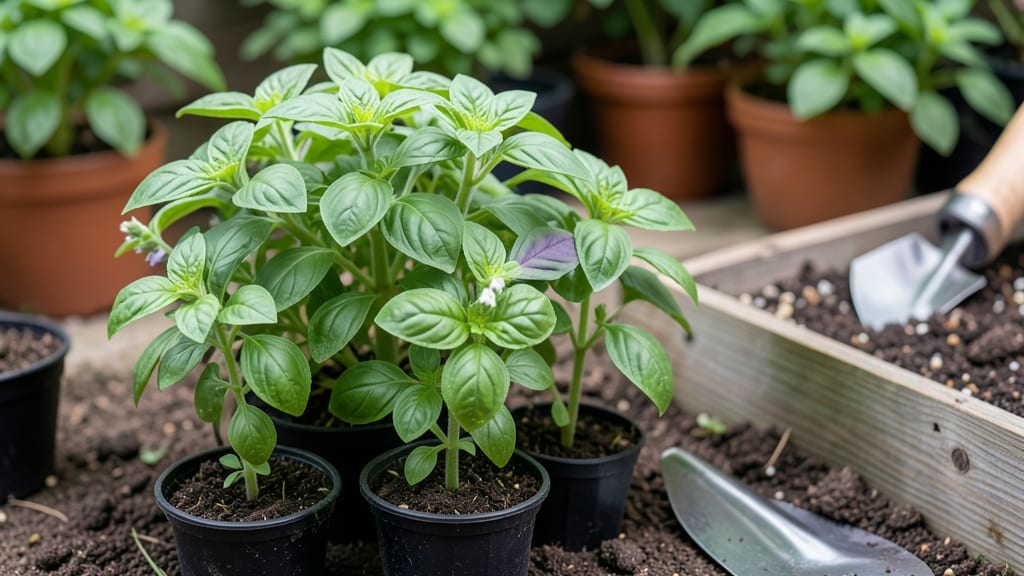
If you’ve ever planted basil in Pennsylvania only to watch it wilt in a late frost or bolt into flowers before you can harvest a single leaf, you’re not alone.
Timing is everything for this heat-loving 🌿 herb, and getting it wrong means missing out on the freshest flavor of the season.
The key to success lies in understanding Pennsylvania’s microclimates—whether you’re gardening in Philadelphia’s urban heat island, Pittsburgh’s river valleys, or the cooler Appalachian foothills.
With frost dates that can vary by weeks (or even months) across the state, knowing when to plant basil isn’t just about checking a calendar—it’s about reading your local climate cues.
In this guide, I’ll break down the exact planting windows for both spring and fall harvests, including how to adjust for your specific zone (5b–7a) and protect your plants from Pennsylvania’s infamous “false springs.”
You’ll learn when to start seeds indoors, when to transplant seedlings outdoors, and how to stretch your growing season for a longer harvest—so you can enjoy fresh basil from June through October.
No more guesswork, no more lost crops. Let’s get your basil thriving right when it counts.
Pennsylvania’s basil planting zones: when to start indoors vs. outdoors
Pennsylvania’s USDA zones 5b-7a create big differences in basil planting windows. In Pittsburgh (Zone 6b), you’ll plant weeks earlier than in Scranton (Zone 5b). The key is knowing your last frost date—typically mid-April in most regions—but microclimates can shift this by 2-3 weeks.
For direct sowing outdoors, wait until soil temperatures hit 50°F+ and all frost risk has passed. This usually means late May to early June in cooler zones like Erie (Zone 6a), but mid-April to May in warmer areas like Philadelphia (Zone 7a).
Get it wrong, and your basil will bolt prematurely.
🌱 Pennsylvania Basil Planting Timeline
| Zone | Last Frost | Start Indoors | Outdoor Planting | Fall Planting |
|---|---|---|---|---|
| 5b (Scranton, Poconos) | May 15 | March 15 | June 1 | July 20 |
| 6a (Pittsburgh, State College) | April 25 | February 28 | May 15 | July 10 |
| 7a (Philadelphia, Harrisburg) | April 10 | February 15 | April 30 | July 5 |
Timing based on historical averages—always check local forecasts!
If you’re starting basil indoors, begin seeds 4-6 weeks before your last frost date. For Zone 5b, that’s mid-March; for Zone 7a, mid-February. Use grow lights to prevent leggy seedlings—basil needs 12+ hours of light daily.
For urban gardeners in Philadelphia, microclimates matter. South-facing rooftops can be 5-10°F warmer than street-level gardens, letting you plant 2 weeks earlier. Conversely, Pittsburgh’s river valleys stay cooler longer—wait until May 15 or risk frost damage.
Don’t forget fall planting! Basil thrives in warm soil, so late July to early August works for a second harvest before frost. In Zone 6a, aim for July 10; in Zone 5b, push to July 20 to beat early frosts.
Pro tip: Use biodegradable pots for seedlings. Transplant directly into the ground to avoid root shock—basil hates being moved once established. Harden off seedlings for 7-10 days before outdoor planting by gradually increasing sun exposure.
Urban heat islands in Philadelphia and Allentown can extend basil’s season by 2-3 weeks. Monitor soil temps with a thermometer—basil won’t germinate below 50°F. If nights dip below 55°F, use row covers to protect young plants.
For container gardening, plant basil in 5-gallon pots with well-draining soil. Containers warm up faster than garden beds, so you can plant 1-2 weeks earlier than in-ground. Just ensure pots get full sun—basil won’t thrive in shade.
Remember: Pennsylvania’s weather is unpredictable. Always have row covers or a cold frame ready for late frosts. Even in Zone 7a, a May frost can wipe out young plants overnight.
How to extend basil’s growing season in Pennsylvania’s unpredictable spring
Pennsylvania’s unpredictable spring weather is the #1 reason basil plants fail here. One day it’s 70°F and sunny, the next it’s 32°F with frost—leaving your tender seedlings vulnerable. The key to success? Protecting your plants from late frosts while giving them enough warmth to thrive.
I’ve grown basil in Philadelphia’s urban heat islands and the cooler Poconos foothills, and these strategies work in both.
Start by planting basil 2–3 weeks after your average last frost date (typically mid-April in southern PA, early May in the north).
But don’t stop there—use row covers or cold frames to shield young plants if nighttime temps dip below 50°F. Even a light frost can kill basil, so be prepared to act fast.
In my Pittsburgh garden, I’ve lost entire basil crops to a surprise frost in early May, but with these protections, I’ve extended harvests by 4–6 weeks.
For an even longer season, try succession planting. Instead of one big planting, sow basil seeds every 2–3 weeks from late April through early June. This ensures a steady supply of fresh leaves all summer long.
In my container gardens, I’ve had basil ready for harvest from June through September using this method. The trade-off? More upfront work, but the payoff is worth it.
🌱Pro Tip: If you’re in a USDA Zone 5b–6a area (like the Poconos or Erie), wait until May 15 to plant outdoors—even then, use black plastic mulch to warm the soil faster.
In Zone 7a (like Harrisburg or Lancaster), you can plant as early as April 20, but always have row covers ready.
⚠️ False Springs Are Basil’s Worst Enemy
Never assume a warm spell means frost is over. Pennsylvania’s “false springs” can trick you into planting too early. If temps drop below 40°F at night, your basil will suffer—leaves turn yellow, growth stalls, and plants may not recover. Always check your local Almanac frost dates and monitor 7-day forecasts before planting.
Another trick? Start basil indoors 4–6 weeks before your last frost date. Use grow lights if natural light is limited, and transplant seedlings outdoors only after they’ve developed 4–6 true leaves.
This head start gives them a fighting chance against late frosts. In my Erie garden, indoor-started basil outpaced direct-sown plants by 3 weeks, giving me an earlier harvest.
For fall planting, aim for late July to early August in southern PA or early August in the north. Basil is a warm-season crop, so it needs at least 60 days of warm weather to mature.
In Zone 7a, I’ve had success with a fall crop planted in late July, harvesting until first frost in mid-October. Just be sure to harden off seedlings before transplanting to avoid shock.
With these strategies, you can double your basil harvest—enjoying fresh leaves from June through October instead of just a few weeks in summer. The secret? Patience and protection—two things that pay off big time in Pennsylvania’s tricky climate. 🌿