
Plants
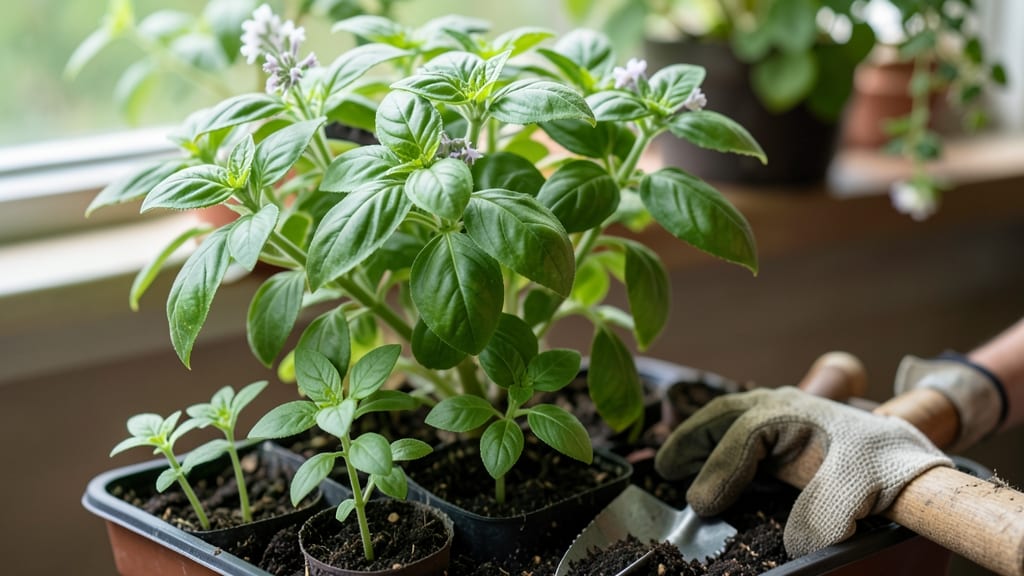
Timing your basil planting in Missouri can make or break your harvest—get it wrong, and you might end up with wilted seedlings or bitter-tasting leaves.
The key is waiting until after the last frost, when soil temperatures climb to at least 50°F, ensuring your 🌿 basil thrives from mid-April through early May.
Missouri’s 5b-6a zones mean you’ve got a narrow window to work with, but don’t stress. Whether you’re starting seeds indoors or transplanting young plants, knowing when to put basil in the ground is the first step to a bountiful summer harvest.
I’ll walk you through the exact timing, soil prep, and even how to extend your growing season for continuous fresh basil.
You’ll also discover how to spot the perfect conditions—like 6+ hours of sunlight and well-draining soil—and avoid common pitfalls like heat stress or pests. By the end, you’ll have a clear plan to grow basil that’s flavorful, abundant, and ready to harvest from June through September.
Ready to skip the guesswork? Let’s dive into the frost-free timeline that’ll have your basil growing strong and your kitchen smelling like a summer garden.
Missouri basil planting timeline by hardiness zone (when to start indoors vs outdoors)
Missouri’s USDA zones 5b-7a create a 30-day window between last frost and summer heat stress—critical for basil. I’ll break down the exact indoor start dates and outdoor transplant windows by zone, so you can time your basil perfectly for June-September harvests.
Basil thrives in warm soil (50°F+) and long daylight hours. In Missouri, this means starting seeds indoors 6-8 weeks before last frost (typically March 1-15) and transplanting after April 15. But zones 6a-7a can plant 2 weeks earlier—here’s how to adjust.
🌱Pro Tip: Use a soil thermometer—basil won’t germinate well in cold soil. Aim for 70°F+ soil for direct sowing.
Missouri Basil Planting Schedule by Zone
| Zone | Last Frost Date | Indoor Start (Seeds) | Outdoor Transplant | Direct Sow Window |
|---|---|---|---|---|
| 5b | April 25 | March 15 | May 10 | May 15-June 1 |
| 6a | April 15 | March 1 | April 25 | April 20-May 5 |
| 7a | April 5 | February 20 | April 15 | April 10-April 25 |
📌 Note: Adjust for microclimates—urban areas may frost 1-2 weeks later than rural zones.
For zone 5b gardeners, I recommend starting seeds March 15 and hardening off plants April 25. If you miss this window, container-grown basil on a sunny patio works well—just plant after May 10 when soil warms.
Missouri’s summer heat (90°F+) can stress basil, so aim to harvest before August 15. After that, shift to shade cloth or indoor growing to extend your season. I’ve had success with Genovese basil in partial shade during peak summer heat.
🌡️Heat Hack: Mulch with straw to keep roots 10°F cooler during Missouri’s July-August heatwaves.
If you’re in northern Missouri (zone 5b), consider two plantings: one in early May for summer harvests and another in late July for fall basil. The second crop benefits from cooler September temps and longer daylight.
For southern Missouri (zone 7a), you can even try a winter basil experiment! Use a greenhouse or cold frame to protect plants through mild winters, though growth will slow dramatically.
🌱Missouri-Specific Tip: Watch for Japanese beetles—they love basil! Start treating with neem oil in late June if you see damage.
5 Key factors that determine the best basil planting time in Missouri
Missouri’s variable climate—from chilly springs to scorching summers—means basil planting timing isn’t just about frost dates. Five critical factors will decide whether your 🌿 basil thrives or struggles. Let’s break them down so you can plant with confidence.
First, soil temperature is non-negotiable. Basil roots need soil at at least 50°F to germinate properly. In Missouri, this typically aligns with mid-April to early May, but always test with a soil thermometer to avoid cold shock. Cold soil stunts growth and invites disease.
Next, daylight hours play a role. Basil craves 12-14 hours of daylight for robust growth. Missouri’s longer days in June and July are ideal, but starting seeds indoors in March under grow lights can give you a head start.
This ensures your plants are ready to transplant when conditions are perfect.
Don’t overlook heat tolerance. While basil loves warmth, Missouri’s summer heat (above 90°F) can stress plants, causing bitter leaves or bolting. Choose shade-tolerant varieties like ‘Spicy Globe’ or ‘Genovese’ and provide afternoon shade with a lightweight row cover or dappled shade cloth during peak heat.
Regional microclimates also matter. Urban areas like St. Louis may warm up faster than rural zones, while higher elevations (e.g., USDA Zone 5b) stay cooler longer.
Check your local last frost date—St. Louis averages April 15, while Kansas City leans closer to April 20. Adjust your timeline accordingly.
Finally, pest pressure rises in Missouri’s humid summers. Aphids, spider mites, and whiteflies love basil. Planting at the right time (just before pests peak) gives your plants a fighting chance. Use neem oil or companion plants like marigolds to deter pests naturally.
By focusing on these five factors—soil warmth, daylight, heat tolerance, microclimates, and pests—you’ll align your basil planting with Missouri’s quirks for a flavorful, bountiful harvest from June to September.
🌱 5 Critical Factors for Perfect Basil Planting in Missouri
- Soil Temperature: Wait until soil hits 50°F+ (mid-April to early May).
- Daylight Hours: Aim for 12-14 hours/day (start indoors in March with grow lights).
- Heat Tolerance: Use shade cloth if temps exceed 90°F to prevent bolting.
- Microclimates: Adjust for urban vs. rural zones (St. Louis vs. Kansas City frost dates differ by 5 days).
- Pest Pressure: Plant before pests peak (late May) and use neem oil or marigolds as deterrents.
Pro tip: Monitor your local weather using tools like the Missouri Climate Center or Almanac for real-time updates. Even a 5-day delay can mean the difference between lush basil and stunted growth. With these factors in mind, you’re ready to plant with precision!