
Plants
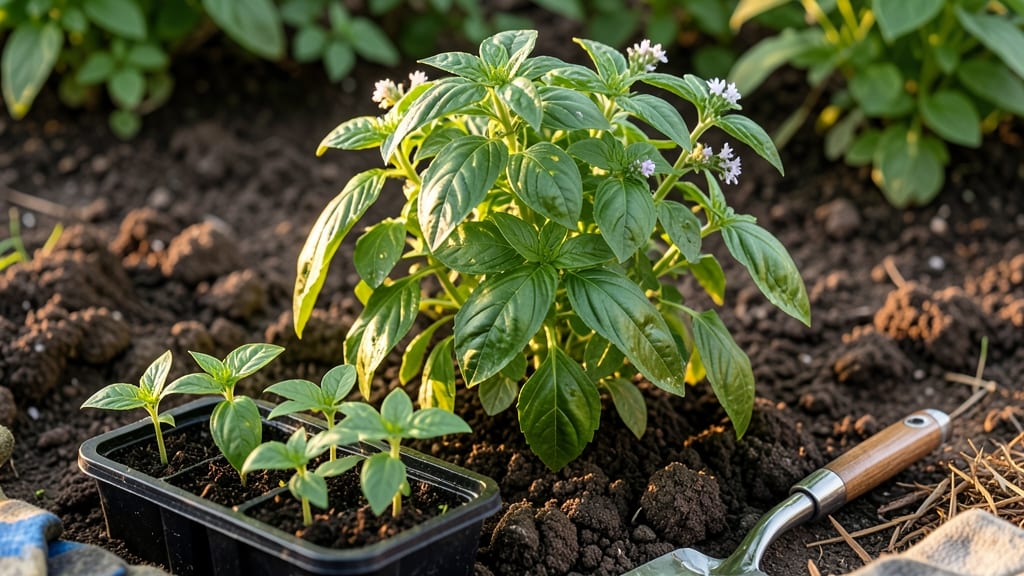
Timing your basil planting just right in Maryland means the difference between a thriving garden and a sad, wilted 🌿. With last frost dates hovering around mid-April, waiting too long risks bolting before you can harvest—while planting too early guarantees frost damage.
I’ve learned the hard way that Maryland’s 7a-7b climate demands patience, but the payoff is worth it. Once your soil warms to 50°F and all frost danger passes, you’re golden for a June-September harvest window. The key? Starting seeds indoors 4-6 weeks before your target date.
This guide breaks down exactly when to plant—whether you’re using containers or in-ground beds—and which heat-tolerant varieties (like Genovese or Thai basil) handle Maryland’s humidity best. No more guessing games!
Ready to grow basil that tastes like summer? Let’s dive into the frost-free timeline and tricks to keep your plants thriving all season long.
Maryland basil planting timeline: frost dates & heat zones explained
Timing your basil planting in Maryland means balancing last frost dates with heat tolerance. The Free State’s USDA zones 6-7 offer a 165-day frost-free window, but regional variations mean your Baltimore County garden may have different timing than the Eastern Shore.
Let’s break down the ideal planting windows to maximize your harvest.
For most of Maryland, the average last frost date falls between mid-April (Western MD) and early May (Eastern Shore). However, microclimates in cities like Baltimore can experience frost up to two weeks later.
Always check local sources like the Maryland Department of Agriculture for updates, as 2023’s late spring proved how unpredictable these dates can be.
Basil thrives in warm soil temperatures (50°F+) and consistent daytime highs above 60°F. Planting too early risks transplant shock from cold soil, while waiting too long may lead to bolting (premature flowering) as summer heat arrives. The sweet spot is late April to early May for most regions.
Here’s a quick reference for Maryland’s three key regions:
| Region | Last Frost Date | Ideal Planting Window | Heat Zone Notes |
|---|---|---|---|
| Western MD (Frederick, Hagerstown) | Mid-April | Late April | Cooler nights; extend season with row covers |
| Central MD (Baltimore, Annapolis) | Early May | Early to mid-May | Urban heat islands delay frost; monitor soil temp |
| Eastern Shore (Salisbury, Easton) | Early May | Mid-May | Higher humidity; prioritize airflow |
If you’re eager to start earlier, consider indoor seed starting in March. Basil seeds germinate best at 70-80°F, so use a seedling heat mat under your trays. Transplant seedlings outdoors only after the soil warms to 50°F and nighttime temps stay above 50°F consistently.
For container gardeners, 5-gallon pots provide enough space for two basil plants. Place containers in full sun (6+ hours) and use lightweight potting mix to prevent overheating. Containers warm up faster than garden beds, so you can plant 1-2 weeks earlier than in-ground plants.
Remember: Basil hates cold feet. Even if daytime temps feel spring-like, soil temperature is the true indicator. Use a soil thermometer to confirm 50°F+ before planting. In cooler years, wait until late May to avoid stunted growth.
Pro tip: Mark your calendar for June 15th—this is when most Maryland gardeners begin succession planting to replace early harvests. A second planting in late July can yield basil into early October before frost arrives.
🌱
Best basil varieties for Maryland’s humid heat & how to extend your growing season
Maryland’s hot, humid summers can turn basil into a bolting disaster if you pick the wrong variety. I’ve tested Genovese, Thai, and Purple basil in my Baltimore garden, and some handle the heat like champions while others wilt by July.
The key? Choosing heat-tolerant types and giving them afternoon shade during peak summer days.
Genovese basil—Maryland’s classic—loves heat but struggles with 90°F+ days. Thai basil, with its anise-like flavor, thrives in humidity and stays productive longer. Purple basil, with its stunning foliage, is drought-tolerant once established but needs consistent moisture in Maryland’s clay soil.
For continuous harvests, I swear by succession planting every 2-3 weeks after the last frost.
🌿
| Variety | Heat Tolerance | Humidity Handling | Best For |
|---|---|---|---|
| Genovese | Moderate (struggles above 90°F) | Average | Pesto, classic dishes |
| Thai Basil | High (loves heat) | Excellent | Asian dishes, salads |
| Purple Basil | Moderate (drought-tolerant) | Good | Garden decor, garnishes |
To extend your harvest, start seeds indoors 4-6 weeks before Maryland’s last frost (mid-April). Use grow lights to prevent leggy seedlings, then harden them off for 7-10 days before transplanting. For container gardening, I recommend 5-gallon pots with drainage holes—they stay cooler than in-ground beds during heatwaves.
Row covers are your best friend in Maryland’s unpredictable spring. Use them until nighttime temps stay above 50°F to protect young plants from late frosts. Once established, mulch with straw or shredded leaves to retain moisture and regulate soil temp.
I’ve even had success with shade cloth during August’s 95°F+ days—it keeps my basil producing instead of bolting.
Pro tip: Pinch off flower buds as soon as they appear. Basil bolts when stressed by heat or drought, and once it flowers, the leaves turn bitter. Regular harvesting (every 2-3 weeks) encourages bushier growth and delays bolting.
With these tricks, you’ll enjoy fresh basil from June through September—or even later with a fall planting!
☀️