
Plants
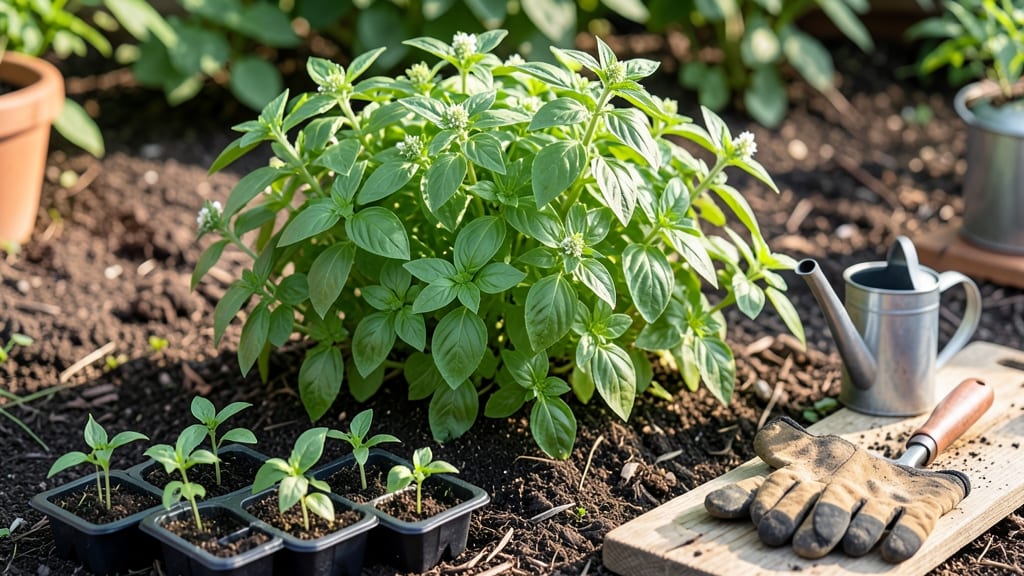
Timing your basil planting in Arizona wrong could mean watching your fresh 🌿 herb struggle—or worse, bolt into flower—before you’ve even harvested a single leaf.
But here’s the good news: with the right schedule and a few desert-smart tricks, you can grow basil that thrives all season long, even when temperatures soar.
Most gardeners in USDA Zone 9b know spring is the prime window, but Arizona’s microclimates throw a wrench into that plan. Phoenix’s relentless heat demands an earlier start than Flagstaff’s cooler evenings, and skipping frost dates in late February could leave your seedlings vulnerable.
Let’s break down the exact windows—and what to do when the thermometer hits 100°F.
You’ll also discover which basil varieties actually handle Arizona’s climate (spoiler: Genovese isn’t one of them) and how to stretch your harvest from April through October without wilting mid-season.
Whether you’re a container gardener or working with raised beds, these strategies will keep your basil lush, productive, and ready for your kitchen.
Ready to grow basil that doesn’t bolt before you do? Let’s dive into the heat-resistant techniques that’ll make your herb garden the envy of every backyard in the state—no matter how many 110°F days you face.
Best planting times for basil in Arizona’s climate zones
Arizona’s USDA Zone 9b climate means basil thrives year-round, but timing is everything to avoid heat stress or frost damage. The best windows are late winter to early spring (February–March) and late summer to early fall (September–October). This avoids the 100°F+ summers that can scorch tender basil leaves.
Phoenix and Tucson gardeners should focus on spring planting (March) when daytime temps stabilize above 70°F. Meanwhile, cooler high-desert areas like Flagstaff can extend the season into May or even try fall plantings in September for a late harvest before winter chill sets in.
Here’s the key: soil temperature matters more than air temperature. Basil needs soil at least 50°F to germinate. Use a soil thermometer to check before planting—especially in elevated areas where nights stay chilly longer.
Basil hates frost, so avoid planting before January 15 (average last frost date in Phoenix) or after October 15 in most of the state. In higher elevations, like Sedona, push planting to April to escape late frosts.
Pro tip: Start seeds indoors 4–6 weeks before your target outdoor date. Arizona’s long growing season (270 frost-free days) lets you experiment with successive plantings every 2–3 weeks for continuous harvests.
🌱 Arizona Basil Planting Guide by Zone
| Zone/Location | Best Planting Window | Key Risks | Pro Tip |
|---|---|---|---|
| Low Desert (Phoenix/Tucson) | March 1–15, Sept 15–30 | Heat stress (>105°F), poor germination in summer | Use shade cloth 30% in peak summer |
| High Desert (Flagstaff/Sedona) | April 15–May 1, Sept 1–15 | Late frosts, shorter growing season | Extend season with row covers |
| Elevated Valleys (Prescott) | March 15–April 15 | Cold snaps, slower growth | Start seeds indoors early |
| Container Gardens (Anywhere) | March–Oct (mobile pots!) | Drying winds, root stress | Use self-watering pots and mulch |
For container gardening, flexibility is your friend. Move pots to shadier spots during June–August when temps exceed 95°F. Basil in containers also warms up faster, so wait until April in cooler zones before transplanting outdoors.
Don’t overlook microclimates—a north-facing yard in Phoenix stays 10°F cooler than a south-facing one. Use this to your advantage by planting heat-sensitive varieties in cooler spots during summer.
Remember: bolting (premature flowering) is your enemy in Arizona’s heat. Choose heat-tolerant varieties and avoid stress by keeping soil consistently moist (but not soggy). We’ll dive deeper into variety selection and heat management in the next sections!
🌡️
Best planting times for basil in Arizona’s climate zones
Arizona’s USDA Zone 9b climate means timing is everything for growing basil successfully. The last frost date typically falls around January 15, but heat tolerance becomes the bigger challenge after April.
Planting too early risks frost damage, while planting too late exposes basil to intense desert heat that causes bolting or wilting.
For optimal growth, focus on two key windows: late winter/early spring (February–March) and early fall (September–October). These periods balance soil warmth and temperature stability, giving basil the best chance to thrive before summer’s peak heat arrives.
Here’s how Arizona’s microclimates affect planting times:
| Region | Best Planting Window | Key Considerations |
|---|---|---|
| Phoenix/Tucson | Feb 15–Mar 15 Sep 1–Sep 30 |
Soil temps reach 60°F+ by March; afternoon shade critical in summer |
| Flagstaff/Sedona | Mar 1–Apr 15 Aug 15–Sep 15 |
Cooler nights delay planting; frost risk until April 15 |
| Yuma/Western AZ | Jan 15–Feb 15 Oct 1–Nov 1 |
Earliest planting in AZ; year-round possible with shade |
In Phoenix and Tucson, aim to plant by mid-March to avoid the 100°F+ summers. Start seeds indoors in February and transplant outdoors after March 15 when soil temps hit 55°F. For higher elevations like Flagstaff, wait until mid-April to escape late frosts.
Fall planting offers a second chance for basil lovers. Seedlings planted in September can produce harvests until November before winter slows growth. Use row covers or greenhouse setups to extend the season if frost threatens early.
Pro tip: Test your soil temperature with a thermometer—basil roots need at least 50°F to thrive. If your soil runs cooler, opt for container gardening with heat-retaining materials like black plastic mulch.