
Plants
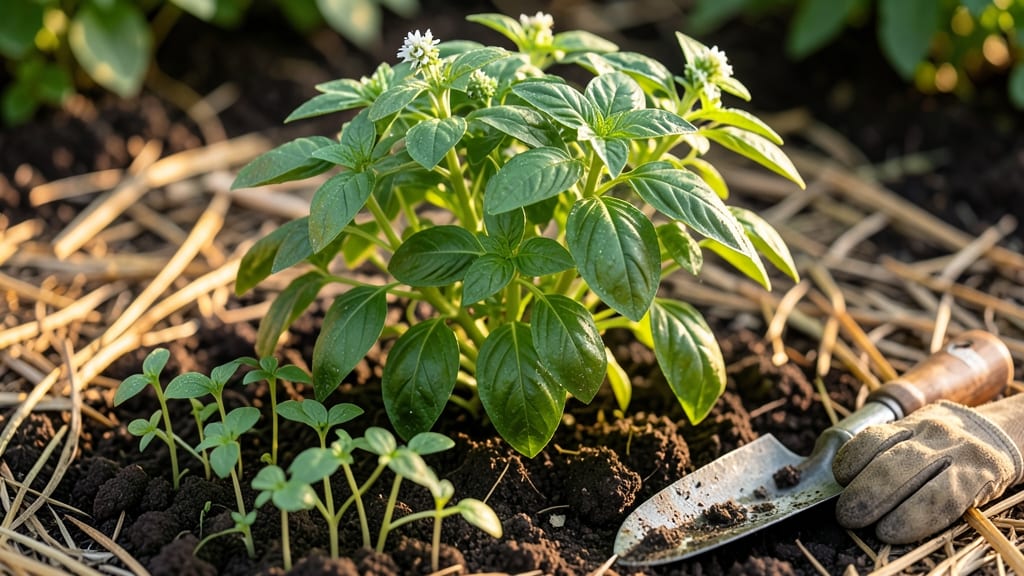
Timing your basil planting in Colorado can feel like playing a high-stakes game of chance—one wrong move, and your 🌿 basil could bolt before you even taste its first leaf. But here’s the secret: knowing your elevation zone and last frost dates turns guesswork into a foolproof plan.
Colorado’s varied climate means Denver’s mid-April planting window might be too early for high-altitude areas or too late for lowland spots. Whether you’re in the Front Range or Western Slope, getting the timing right ensures your basil thrives from June through September—not wilts by July’s heat.
I’ll break down exactly when to start seeds indoors (hint: 6-8 weeks before last frost) and when to plant directly outside, plus how to adjust for Colorado’s 5-7 USDA zones. No more second-guessing—just a lush, aromatic harvest every time.
Ready to grow basil that’s bold, flavorful, and frost-proofed? Let’s dive into the perfect planting schedule for your elevation zone.
Colorado’s frost-free dates for basil by elevation zone
Timing your basil planting in Colorado depends heavily on your elevation zone, as frost dates can vary by 1-2 weeks between the Front Range and Western Slope. Unlike lower elevations, high-altitude areas like Fort Collins or Aspen often experience later last frosts—sometimes as late as May 15.
Meanwhile, Denver typically sees its last frost around April 15, while Pueblo or Colorado Springs may warm up even earlier.
Microclimates also play a role. Urban areas like Boulder or Aurora can be 5-10°F warmer than rural zones due to the urban heat island effect, allowing for slightly earlier plantings. Conversely, mountain valleys or high desert regions may require waiting until late May to avoid frost damage.
Always check your local Almanac frost dates or use a soil thermometer to confirm readiness.
For direct sowing, wait until soil temperatures reach at least 50°F and nighttime lows stay above 50°F. If planting transplants, aim for 6-8 weeks before your area’s last frost date.
Starting seeds indoors in March gives you a head start, especially in Zone 5 areas like Grand Junction or Steamboat Springs.
Here’s how Colorado’s elevation zones break down for basil planting, including average last frost dates and ideal windows:
| Elevation Zone | Avg. Last Frost | Ideal Planting Window | Microclimate Notes |
|---|---|---|---|
| Front Range (Denver, Boulder) | Mid-April | Late April – Early May | Urban areas: plant 1 week earlier; rural: wait until late April. |
| Western Slope (Grand Junction, Durango) | Early April | Mid-April – Late April | Desert climates: monitor soil moisture; transplant by May 1. |
| Eastern Plains (Pueblo, Colorado Springs) | Late March – Early April | Early April – Mid-April | Drier air: mulch heavily to retain moisture; avoid late frosts. |
| High Altitude (Aspen, Leadville) | Late May | Early June | Short season: start seeds indoors by March 15; use row covers. |
If you’re in a Zone 6-7 area like Denver or Fort Collins, aim to have transplants ready by May 1 to maximize your 150-day growing season.
For Zone 5 regions, consider heat-tolerant varieties like Genovese or Thai basil, which handle Colorado’s summer heat waves better than standard types.
Pro tip: Use a frost cloth or row covers to extend your season by 2-3 weeks if late frosts threaten. These are especially useful in high-altitude gardens where frosts can linger into June.
Always monitor your local weather forecasts—Colorado’s unpredictable spring weather can shift frost dates by 10 days or more.
For container gardening, you can push your planting window slightly later, as pots warm up faster. However, avoid planting after early July, as bolting (premature flowering) becomes more likely in Colorado’s intense summer heat.
Instead, opt for a second planting in August for a fall harvest before the first frost.
Remember, basil thrives in warmth but wilts in extreme heat. In Denver’s 90°F+ days, provide afternoon shade to prevent stress. Mulching with straw or wood chips helps regulate soil temperature and retains moisture—critical in Colorado’s dry climate.
By aligning your planting with your elevation zone and microclimate, you’ll give your basil the best shot at a bountiful harvest from June through September—just in time for your favorite summer recipes! 🌿
How to extend your basil growing season in Colorado
Colorado’s short growing season and unpredictable weather can make basil cultivation tricky, but with the right strategies, you can enjoy fresh leaves from early summer to late fall. The key is combining indoor starts, season extenders, and heat-tolerant varieties to maximize your harvest window.
I’ve found that starting basil seeds indoors 6-8 weeks before your last frost date gives my plants a head start. For Denver’s average April 15 last frost, that means seedling trays should be ready by mid-February.
This method helps bypass Colorado’s cool spring nights that can stunt young plants.
Once your seedlings are 3-4 inches tall with 4-5 true leaves, they’re ready for transplanting. But here’s the Colorado-specific tip: harden them off gradually—especially if you’re in high-altitude areas like Fort Collins or Boulder—where temperature swings can be extreme.
I like to move my seedlings outdoors for 2-3 hours daily starting 2 weeks before transplanting.
- Start seeds indoors by February for transplanting after last frost (use grow lights if natural light is limited)
- Choose heat-tolerant varieties like 'Genovese' or 'Thai basil' that handle Colorado’s summer heat spikes
- Use row covers or cold frames to protect seedlings from late spring frosts (common in May)
- Plant in containers for mobility—move pots indoors before first frost (usually mid-October)
- Mulch heavily with straw or wood chips to regulate soil temperature and retain moisture during dry spells
- Harvest aggressively to encourage bushier growth—this prevents bolting from heat stress
For gardeners in high-altitude areas above 7,000 feet, I recommend using black plastic mulch to warm the soil faster. This is especially helpful in Western Slope regions like Grand Junction, where nights can still dip below 40°F in May.
Pair this with drip irrigation to maintain consistent moisture without overwatering—something I’ve struggled with in Colorado’s dry, windy conditions.
Don’t forget that container growing is your best friend for Colorado’s unpredictable weather. I’ve had success keeping basil in 5-gallon pots on my patio until September, then moving them under a porch light before the first frost.
This gives me fresh basil for pesto and salads well into fall—something I couldn’t get with in-ground planting alone.
One final pro tip: Pinch off flowers as soon as they appear to redirect the plant’s energy into leaf production. In Colorado’s short summer, every extra day of leaf growth counts. With these strategies, you can enjoy basil harvests from June through September—or even longer with indoor extensions!