
Plants
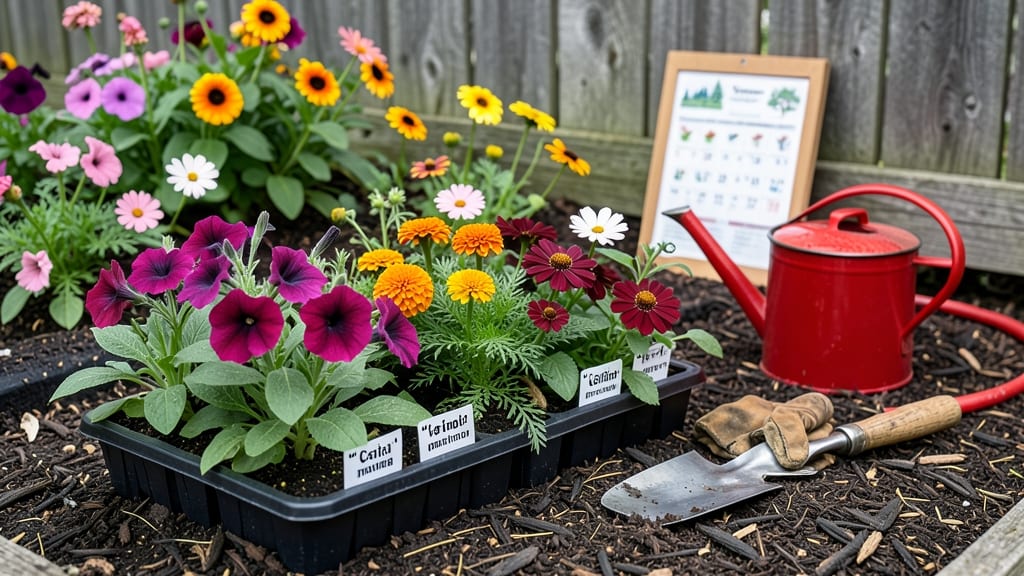
Timing when to plant annuals in Colorado just right could mean the difference between a garden bursting with 🌸 color and one that fades before summer even begins.
With frost dates that shift dramatically from the Front Range to the Western Slope, getting the planting window wrong can leave your seeds vulnerable to late cold snaps or wilting under early heat.
I’ve researched Colorado State University’s data to pinpoint the exact moments when your annuals stand the best chance of thriving.
Whether you’re in Denver’s Zone 5, Colorado Springs’ Zone 6, or the high-altitude gardens of Zone 7, knowing when to plant—whether it’s after the last frost in May or making a late-summer push—is the key to a showstopping garden.
Let’s break down the perfect planting schedule, including heat-tolerant varieties that can handle Colorado’s intense summers and tips to extend your growing season for continuous blooms.
Colorado’s frost-free planting deadlines by hardiness Zone (5-7)
Colorado’s last frost dates vary dramatically by elevation and region, making it critical to know your USDA Zone (5-7) before planting annuals.
In Denver (Zone 5-6), the average last frost typically falls between April 15 and May 1, while Colorado Springs (Zone 6-7) sees frost-free conditions slightly earlier, around April 1-15.
Higher elevations like Fort Collins (Zone 4-5) can experience frost as late as May 15, delaying planting by weeks.
For warm-season annuals like marigolds or zinnias, wait until soil temperatures reach 50°F or higher—usually mid-May in most zones. Cool-season varieties such as pansies or snapdragons, however, can handle light frosts and can be planted 4-6 weeks before your last frost date.
Always check local Colorado State University Extension resources for your specific area’s frost history.
Here’s how to use frost dates to plan your annual planting schedule:
| Region | USDA Zone | Avg. Last Frost | Plant Warm-Season Annuals | Plant Cool-Season Annuals |
|---|---|---|---|---|
| Denver | 5-6 | April 15–May 1 | Mid-May | March 15–April 1 |
| Colorado Springs | 6-7 | April 1–15 | Early-Mid April | February 15–March 15 |
| Fort Collins | 4-5 | May 1–15 | Late May | March 1–April 1 |
| Grand Junction | 6-7 | March 15–April 1 | Early April | February 1–March 1 |
If you’re unsure about your local frost date, use a simple frost cloth test: Hang a plastic sheet over a plant overnight. If it survives, your frost risk is lower than expected.
For container gardens, move pots closer to the house or under eaves to protect them from late frosts.
For fall planting, aim to sow annuals 4-6 weeks before your first frost date (typically late August to early September). This gives seeds time to germinate and establish roots before cold weather sets in. Marigolds and cosmos are excellent choices for fall, as they thrive in cooler temperatures.
In high-altitude areas (7,000+ ft), like Aspen or Leadville, planting windows shrink significantly. Expect last frosts as late as June 1 and first frosts as early as September 1.
Stick to short-season annuals like bachelor’s buttons or sweet alyssum, or opt for cold frames to extend your growing season.
Always monitor weather forecasts in the weeks leading up to planting. A sudden cold snap can wipe out tender seedlings, so have row covers or a greenhouse on standby. For extra protection, plant heat-loving annuals like lantana or portulaca in south-facing beds, where they’ll receive maximum warmth.
Pro tip: Use a soil thermometer to check temperatures before planting. Warm-season annuals need soil at at least 60°F, while cool-season varieties can tolerate 40-50°F. This small step can mean the difference between thriving plants and stunted growth.
🌱
Top 10 heat-tolerant annuals for Colorado’s hot summers (with planting adjustments)
Colorado’s summers can hit 90°F+, but that doesn’t mean your annuals have to suffer. I’ve selected 10 heat-tolerant varieties that thrive in our intense sun and dry air, with planting adjustments to maximize their success.
These picks—like zinnias and lantana—can handle our Zone 5-7 heat while still delivering stunning blooms.
For these plants, you can often push planting windows 2-4 weeks later than typical annuals.
For example, while most cool-season flowers go in by mid-May, these heat lovers can wait until late May to early June in Denver and Colorado Springs, or even June in high-altitude areas like Fort Collins.
Here’s my curated list, including planting adjustments, watering tips, and shade strategies for high-altitude gardens where heat can be more intense due to lower humidity.
🌿 Heat-Tolerant Annuals for Colorado
🌡️ Thrives in 85°F+; plant late May-June
💧 Drought-tolerant; plant June-July for late-season blooms
🌞 Repels pests; plant after last frost (May) or late summer for fall color
💧 Succulent-like; plant June-July for heat resistance
🌡️ Loves heat; plant late May-June for bold foliage
🌿 Trailing habit; plant June for containers or borders
☀️ Fast-growing; plant late May-July for summer blooms
🌡️ Drought-proof; plant June for long-lasting color
🌿 Hummingbird magnet; plant late May for summer blooms
💨 Self-seeding; plant June-July for late-season height
Pro Tip: For high-altitude areas (e.g., Fort Collins), consider light shade cloth during peak afternoon sun (1-4 PM) to prevent stress.
These heat-tolerant annuals not only survive Colorado’s summers but often thrive, offering continuous blooms from June through September. For example, lantana and celosia can keep flowering until the first frost if given enough water during dry spells.
For late-summer planting (August-September), focus on fast-growing varieties like cosmos and zinnias, which can still establish roots before first frost (typically mid-October). Just be sure to water deeply 2-3 times per week until they’re established.
🌻