
Plants
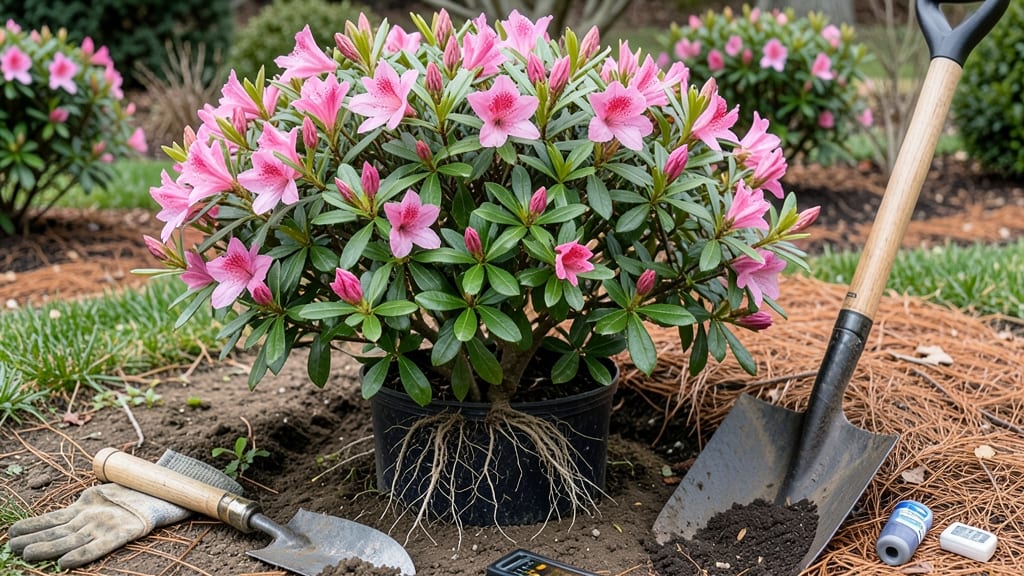
Timing your azalea planting in Atlanta could mean the difference between a showstopping spring display of 🌸 blooms and a struggling shrub that never quite thrives.
The city's unique mix of USDA Zone 7b microclimates means what works in Decatur might fail in Alpharetta - and getting it wrong can leave your azaleas vulnerable to winter stress or summer heat shock.
Most gardeners in Atlanta know azaleas prefer cooler weather, but exactly when to plant remains a common stumbling block. The ideal windows are fall (October-November) or early spring (March-April), but without accounting for your specific neighborhood's frost patterns, you might be planting too early or too late.
Let me show you how to pinpoint the perfect moment for your azalea's success.
What makes Atlanta's planting schedule different from other regions? Unlike northern climates where spring planting dominates, Atlanta's mild winters and hot summers create a delicate balance. Planting in fall gives roots time to establish before winter, while spring planting must avoid the brutal heat that arrives by May.
I'll break down how to read your local climate cues to make the best decision.
Ready to transform your yard with vibrant azaleas that bloom reliably year after year? The key lies in understanding your microclimate's specific conditions - and I'll walk you through every step to get it right the first time.
Let's make sure your azaleas get the perfect start they deserve in Atlanta's challenging growing environment.
Optimal Atlanta azalea planting weeks by microclimate zone
Atlanta’s USDA Zone 7b/8a climate creates distinct planting windows for azaleas, where timing can determine whether your shrubs thrive or struggle. The ideal window spans fall (October-November) and early spring (March-April), but microclimates shift these dates by 2-4 weeks.
North Atlanta’s cooler zones (like Alpharetta) can plant 2 weeks earlier than South Atlanta’s warmer areas (like Decatur).
Fall planting is my top recommendation because cooler soil temperatures reduce transplant shock, and roots establish before winter dormancy. However, avoid planting after November 15—this risks root rot from Atlanta’s mild but wet winters.
Spring planting works too, but aim for before March 15 to avoid late frosts that can damage new growth.
Soil temperature is your best guide: ideal planting occurs when soil temps drop below 70°F (usually late September/early October) but stay above freezing. Use a soil thermometer to confirm—this prevents planting in residual summer heat, which stresses roots.
In Atlanta’s humid subtropical climate, this window is typically October 1-31 for most areas.
Here’s how Atlanta’s microclimates adjust these dates:
| Microclimate Zone | Fall Planting Window | Spring Planting Window | Key Consideration |
|---|---|---|---|
| North Atlanta (Alpharetta, Roswell) | September 25 - November 1 | March 1 - March 15 | Cooler nights; plant 2 weeks earlier than South Atlanta |
| Central Atlanta (Midtown, Buckhead) | October 1 - October 31 | March 10 - April 1 | Moderate temps; standard USDA Zone 7b guidelines apply |
| South Atlanta (Decatur, East Point) | October 15 - November 15 | March 20 - April 10 | Warmer microclimate; extend window 1-2 weeks later |
| Urban Heat Islands (Downtown, BeltLine) | November 1 - November 15 | April 1 - April 15 | Pavement heat lingers; plant later but avoid frost |
For container-grown azaleas, you have slightly more flexibility—plant anytime soil temps are below 70°F. However, avoid extreme heat or cold: temperatures above 85°F or below 32°F stress roots.
If you miss the ideal window, spring planting is the safer backup, as it allows roots to establish before Atlanta’s summer heat peaks in July.
Pro tip: Mulch heavily after planting (3-4 inches of pine straw or wood chips) to regulate soil temperature. This helps retain moisture in fall’s cooler temps and prevents soil compaction from winter rains.
I’ve seen azaleas planted in mid-October with mulch bloom 2 weeks earlier than those planted in late November.
Atlanta’s first frost date (November 15) is your hard cutoff for fall planting. If you’re in a warmer microclimate like East Point, you might push to November 20, but root establishment slows dramatically after November 1.
For spring planting, wait until soil temps rise above 50°F—typically mid-March—to avoid frost damage to new growth.
One common mistake I see is planting azaleas in late fall (December). While roots may survive, dormancy kicks in, and the shrub won’t establish properly until spring.
This leads to stunted growth and fewer blooms the following year. If you must plant late, choose early December and protect with burlap during cold snaps.
Remember: Azaleas are finicky about timing, but when planted in Atlanta’s optimal windows, they reward you with vibrant blooms for 4-6 weeks each spring. Stick to these microclimate-specific dates, and you’ll avoid the most common pitfalls Atlanta gardeners face.
Optimal Atlanta azalea planting weeks by microclimate zone
Atlanta’s USDA Zone 7b climate creates distinct planting microclimates where a 2-week difference can mean the difference between thriving azaleas and struggling shrubs. North Atlanta areas like Alpharetta and Roswell experience cooler temperatures earlier, while Decatur and East Point stay warmer longer.
Let’s break down the exact planting windows for each zone, including soil temperature thresholds and frost risk timelines.
For North Atlanta (Zones 7a-7b), aim to plant azaleas between late September and mid-November. This window accounts for the first frost typically arriving around November 15, giving roots 6-8 weeks to establish before winter dormancy.
Soil temperatures should ideally be between 50-65°F—cool enough to avoid heat stress but warm enough for root growth.
In Central Atlanta (Zone 7b), the optimal window shifts slightly later to mid-October through early December. The city’s urban heat island effect delays frost slightly, but you’ll still want to avoid planting after November 15 to prevent winter stress.
Soil temperatures here often stay warmer longer, so monitor for consistent 60°F+ readings before planting.
If you prefer spring planting, aim for early March through mid-April across all zones. This window ensures your azaleas establish roots before Atlanta’s summer heat arrives in May.
The key is planting at least 4-6 weeks before your last expected frost—typically by March 15—to avoid cold snaps that can shock tender roots.
Pro tip: Check your local Almanac frost dates and adjust by 1-2 weeks if you’re in an urban pocket with microclimate variations. For example, areas near Chattahoochee River may experience slightly cooler nights, while downtown Atlanta’s concrete jungle can delay frost by 3-5 days.
Always test soil moisture before planting—dry soil accelerates transplant shock.
Remember, azaleas planted in fall typically bloom 1-2 years earlier than spring-planted shrubs because they establish roots during the cooler months. For maximum blooms next spring, fall planting is the gold standard in Atlanta’s climate—just time it right for your microclimate! 🌸