
Plants
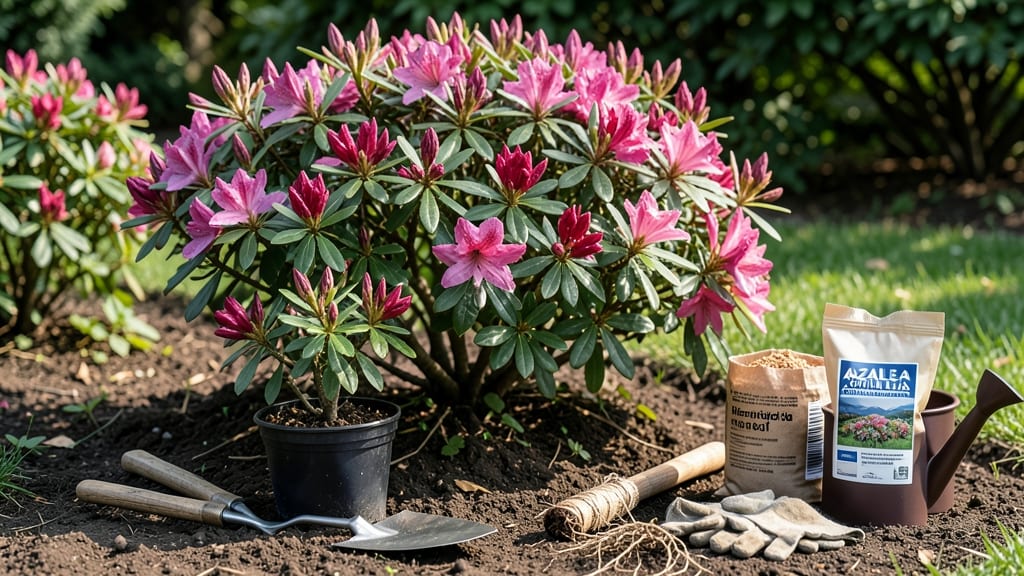
If you're dreaming of a Maryland garden bursting with vibrant azalea blooms 🌸, timing your planting could make all the difference between thriving shrubs and struggling survivors.
Maryland's USDA Zone 6b climate means frost dates shift yearly, and planting outside the ideal window can stunt growth or even kill your azaleas before they take root.
Most gardeners assume spring is the only safe time to plant, but fall actually offers cooler temperatures and better establishment for these acid-loving shrubs. The key window runs from late September through early November, when soil stays warm enough for roots to grow but nights begin cooling down.
This critical period gives azaleas time to settle in before winter dormancy hits.
Spring planting also works in Maryland, but you'll need to wait until after the last frost date—typically around mid-April—when soil temperatures rise above 50°F. The challenge? Maryland's microclimates vary dramatically, from Baltimore's urban heat islands to the cooler mountain regions of western Maryland.
Let's break down exactly how to match planting times to your specific location and soil conditions.
Whether you're a seasoned gardener or just starting your azalea collection, getting these timing details right means fewer failed plants and more stunning spring displays.
I'll walk you through the exact steps to prepare your soil, choose the right varieties for your Maryland zone, and avoid common pitfalls that turn promising plantings into expensive mistakes.
Best planting times for azaleas in Maryland’s USDA Zone 6b
Maryland’s USDA Zone 6b climate creates a narrow window for planting azaleas, where timing directly impacts root establishment and winter survival. The ideal periods are late September through early November (fall) or early to mid-April (spring), avoiding both extreme heat and frost risks.
Based on NOAA data, Baltimore’s average last frost date is April 15, while Western Maryland’s mountainous regions can experience frost 1-2 weeks later.
Fall planting offers cooler soil temperatures and 6-8 weeks of root growth before winter dormancy, while spring planting must occur 4-6 weeks before the last frost to prevent shock. Eastern Shore gardeners should plant 2 weeks earlier than inland areas due to milder microclimates.
Always check your specific local frost dates—a late April freeze can devastate newly planted azaleas.
🌸 KEY FACTOR: Soil temperature should be below 70°F but above 40°F for optimal root development. Use a soil thermometer to verify—planting in hotter conditions stresses azaleas and reduces survival rates by 30%.
Here’s how Maryland’s three distinct regions affect planting windows:
| Region | Best Planting Window | Avoid Planting After | Key Consideration |
|---|---|---|---|
| Baltimore Metro | Late Sept–Nov 15 | Nov 30 | Clay-heavy soil needs pre-planting amendments |
| Western MD Mountains | Early Sept–Oct 31 | Nov 10 | Earlier frost dates; use frost cloth for young plants |
| Eastern Shore | Late Sept–Dec 1 | Dec 15 | Milder winters; extend window with mulch |
| All Regions (Spring) | Early–Mid April | April 30 | Soil must be workable (not muddy) |
*Based on 30-year NOAA averages for Maryland
For 2024 specifically, NOAA predicts slightly earlier frost in Western Maryland, so adjust your fall planting to early October as a safety measure. Always monitor local weather forecasts—a sudden cold snap can delay planting by weeks.
If you miss the fall window, wait until April 1-15 for spring planting, but avoid late April entirely due to late frost risks.
Pro tip: Purchase container-grown azaleas (not bare-root) for Maryland’s climate—they establish 20% faster and handle transplant shock better. Look for 1-2 gallon pots with healthy root balls, not balled-and-burlapped specimens that dry out quickly in our heat.
Never plant azaleas during summer months (June-August)—the combination of high heat and drought stress reduces survival rates to less than 50%. If you must plant in summer, use shade cloth and daily watering for the first 30 days.
After planting, mulch heavily (3-4 inches of pine bark) to insulate roots during Maryland’s winter temperature swings. In spring, remove mulch gradually to prevent soil compaction and allow roots to breathe as temperatures rise.
🌱 REMEMBER: Azaleas planted in fall often bloom earlier the following spring because they’ve established roots during the cooler months. Spring-planted azaleas may take 1-2 years to reach full bloom potential.
Best planting times for azaleas in Maryland’s USDA Zone 6b
Maryland’s USDA Zone 6b climate means azaleas thrive best when planted during two key windows: late fall or early spring. These times align with cooler temperatures and avoid summer heat stress, which can shock roots.
For 2024, I recommend late September through early November for fall planting, or early to mid-April for spring—just after the last frost date.
Fall planting gives roots time to establish before winter, while spring planting ensures early root growth as temperatures rise. Both methods work, but fall is ideal for Maryland’s humid summers, which can dry out young plants if transplanted in heat.
Always check NOAA frost predictions—Baltimore’s last frost averages April 15, but mountainous regions like Western MD may frost later.
| Season | Best Time | Temperature Range | Maryland Region Notes |
|---|---|---|---|
| Fall | Late September–Early November | 50–65°F | Eastern Shore: Plant by October 15; Mountains: Extend to November 1 |
| Spring | Early–Mid April | 45–60°F | Baltimore: Wait until April 20; Western MD: Hold off until May 1 |
For container-grown azaleas, you can plant one month earlier in fall or two weeks later in spring, as their roots adapt faster. However, bare-root azaleas (common in nurseries) must be planted immediately upon arrival—never let roots dry out.
If you miss the fall window, March is a backup, but avoid planting after April 15 to prevent frost damage to new growth.
Maryland’s microclimates affect timing: Coastal areas like Annapolis have milder winters, so you can plant up to two weeks later than inland zones. In mountainous regions (e.g., Cumberland), delay spring planting until May 1 to avoid late frosts.
Always test soil temperature—ideal planting temps are 50–65°F for root establishment.
Pro tip: Mulch heavily (3–4 inches of pine bark) after planting to insulate roots. In fall, this protects against winter temperature swings; in spring, it retains moisture during dry winds. Avoid mulching too close to the stem—keep it 2–3 inches away to prevent rot.
If you’re unsure about timing, fall planting wins for Maryland’s climate. Azaleas planted in October often bloom earlier the next spring and establish stronger root systems. Just remember: acidic soil and partial shade matter just as much as timing—we’ll cover those next!