
Plants
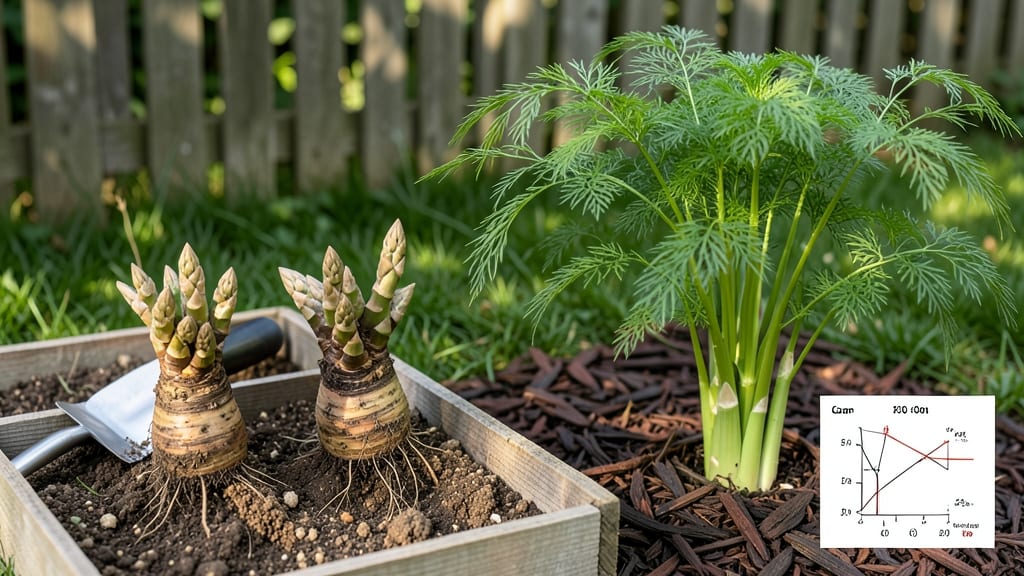
Timing your asparagus planting in Zone 8 isn’t just about following a calendar—it’s about catching that sweet spot when soil temperatures hit 50-60°F, the magic window that sets your crowns up for success.
Miss it, and you risk stunted growth or even wasted effort, leaving you staring at a garden full of potential instead of spears.
Here’s the thing: late winter to early spring (February through March) is your prime window, but soil conditions matter more than dates. Too early, and cold soil can shock delicate roots; too late, and you might miss the ideal growing season.
I’ll show you how to check soil readiness with simple tests—no fancy equipment needed.
Whether you’re planting crowns or seeds, the key is preparation. We’ll cover everything from soil prep to mulching strategies that keep your 🌱 asparagus thriving through Zone 8’s unpredictable spring weather. Trust me, getting this right means fewer headaches and more harvests in just a couple of years.
Ready to turn your garden into a spears-producing powerhouse? Let’s dive into the exact steps—so you can enjoy fresh asparagus by next spring without the guesswork.

Zone 8 asparagus planting calendar: exact soil temperature triggers
Planting asparagus in Zone 8 requires precision timing—especially since the difference between a thriving patch and a failed crop often comes down to soil temperature, not just calendar dates.
Unlike annuals, asparagus crowns need consistent warmth (50–60°F) to root properly, and planting too early risks crown rot from lingering cold. Let’s break down the exact windows and how to verify soil readiness.
For Zone 8 gardeners, the ideal planting window spans from mid-February to early April. This aligns with when soil warms to 50°F at 4-inch depth, the magic threshold for root establishment.
In my experience, waiting until March ensures soil stays reliably warm, reducing the risk of soggy, disease-prone beds. But what if you miss this window? Fall planting is possible—but only in late summer (August–September) when soil cools naturally.
Here’s the key: Soil temperature matters more than air temperature. A crisp 60°F morning might feel perfect, but if the soil is still chilly below, your crowns will struggle. Use a soil thermometer (just $10 at garden centers) to check—this tool is your secret weapon for success.
Pro tip: Test soil at 4 inches deep, where roots will settle.
If you’re planting asparagus seeds (less common but viable), you’ll need to stratify them first—a cold treatment that mimics winter. This isn’t required for crowns, which are pre-grown and ready to go.
For seeds, start indoors in January, then transplant after last frost when soil hits 60°F. Crowns, however, should go straight into the ground once soil warms.
| Planting Method | Ideal Soil Temp | Zone 8 Window | Key Notes |
|---|---|---|---|
| Crowns (pre-grown) | 50–60°F | Mid-February to Early April | Plant 6–8" deep; avoid frost |
| Seeds (stratified) | 60°F+ | Late March–April (after last frost) | Start indoors in January; transplant carefully |
| Fall Planting (crowns only) | 60–70°F | August–September | Soil must cool naturally; high risk |
🌱 Pro Tip: Use a soil thermometer to confirm readiness—don’t guess!
Timing isn’t the only factor—soil drainage is equally critical. Asparagus hates soggy roots, so amend heavy clay with compost or sand to improve airflow. In my Zone 8 garden, I mix in 1 part compost to 2 parts native soil before planting.
This ensures roots breathe while retaining enough moisture for establishment.
One more trick: If your soil warms too quickly in spring (common in Zone 8b), consider shade cloth for the first few weeks. This prevents crowns from drying out while they root.
Think of it as a gentle acclimation period—like helping a new plant adjust to the heat without shock.
Finally, don’t overlook moisture levels post-planting. Water deeply immediately after planting, then maintain 1–1.5 inches of water weekly until spears emerge. Mulch with straw or wood chips to lock in moisture and suppress weeds. This step alone can mean the difference between thriving crowns and struggling starts.
Remember: Asparagus is a long-term investment. Crowns take 2–3 years to mature, but with the right timing and care, they’ll reward you with harvests for 15+ years. That’s why nailing the soil temperature window is worth the extra effort.
Zone 8 asparagus planting calendar: exact soil temperature triggers
In Zone 8, the perfect planting window for asparagus isn’t just about dates—it’s about soil temperatures reaching 50-60°F. This range signals that your crowns or seeds can establish roots without shock from cold soil.
I’ve planted asparagus for years, and I can tell you: rushing too early (like in February) risks crown rot, while waiting too late (past March) cuts your growing season short.
For crowns, aim for late February to early March when soil temps stabilize. If you’re sowing seeds, start them indoors in January and transplant after the last frost (around March 15).
The key is patience—soil warms faster in Zone 8 than in cooler zones, but it’s still worth testing.
Here’s how to check soil readiness without a fancy thermometer: Press your finger into the soil. If it feels cool but not icy (like a chilled lemon), it’s likely in the 50-60°F range.
For extra accuracy, bury a thermometer 4 inches deep for 24 hours. This small step saves you from wasted effort.
Zone 8’s microclimates add complexity. Coastal areas (like San Diego) may be ready by mid-February, while inland spots (like Phoenix) might wait until late March. Always check your local last frost date—Zone 8’s average is January 15, but microclimates vary wildly.
Pro tip: If you miss the spring window, you can plant asparagus in fall (October), but it’s riskier. The soil must stay above 50°F for 6+ weeks post-planting. I’ve had mixed success with fall plantings—some thrive, others struggle with winter moisture.
Once you’ve nailed the timing, the next critical step is soil prep. Asparagus hates soggy roots, so amend your bed with compost and sand if your soil drains poorly. Aim for a pH of 6.5-7.5—test it with a kit or send a sample to your local extension office.
| Stage | Action | Zone 8 Timing |
|---|---|---|
| Soil Prep | Amend with compost/sand; test pH | January-February |
| Crown Planting | Plant 6-8" deep, 12-18" apart | Late Feb-Early March |
| Seed Starting (Indoor) | Sow 8-10 weeks before last frost | January |
| Transplant Seeds | After soil reaches 50°F | Mid-March |
| Fall Planting (Risky) | October; soil must stay >50°F | October (if conditions allow) |
Remember: Asparagus is a perennial, meaning the first year is all about root establishment. You won’t harvest spears until year 3, but getting the timing right now means decades of harvests with minimal replanting. That’s the beauty of asparagus—once planted correctly, it’s a low-maintenance powerhouse.
Next up: Avoid these 3 deadly mistakes that even experienced gardeners make in Zone 8. Trust me, skipping these will save you from heartbreak—and a garden full of floppy fronds instead of spears.