
Plants
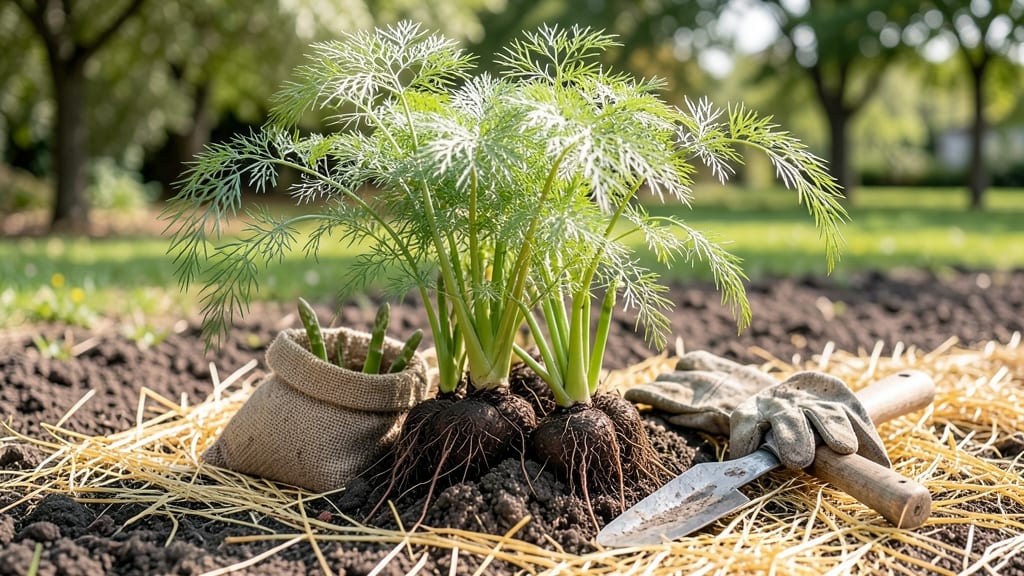
Timing your asparagus planting in Massachusetts could mean the difference between a bountiful harvest in just a few years and waiting decades for those prized spears. This cold-hardy perennial 🌱 thrives when planted right—so if you're dreaming of fresh, homegrown asparagus, getting the window perfect is your first step.
Massachusetts gardeners know the stakes: plant too early, and frost will damage tender crowns; too late, and your asparagus might struggle to establish strong roots before winter.
The ideal time falls between early March and April, when soil temperatures hover around 40-50°F—just warm enough for roots to take hold but cool enough to prevent stress.
Here's the game-changer: most experts recommend planting 1-year-old crowns rather than seeds, as they produce harvestable spears in just 2-3 years instead of the 3+ years seeds require.
We'll break down exactly how to time your planting for maximum success, whether you're working with spring's early window or considering fall alternatives.
Once you've mastered the timing, we'll cover soil prep, frost protection tips, and the 3-4 year patience payoff that makes asparagus worth every minute. Let's get those spears growing the right way from day one.
Best planting months for asparagus in Massachusetts: a seasonal breakdown
Massachusetts gardeners have a narrow window to plant asparagus crowns successfully, thanks to our USDA Zone 5a-6b climate. The ideal planting window spans from late March to early April, aligning with soil temperatures between 50°F and 60°F. This timing ensures robust root establishment before the growing season peaks.
For those who prefer fall planting, September through early October works too—just ensure the ground stays workable and crowns can establish roots before first frost (typically mid-October). Fall-planted crowns benefit from cooler soil, reducing stress and encouraging early spring growth.
Here’s the golden rule: Plant asparagus crowns 3-4 weeks before your last frost date (usually April 15 in Massachusetts). This timing balances frost protection with warm soil, critical for crown survival. Late plantings risk stunted growth, delaying harvests by years.
🌱
| Month | Soil Temp | Planting Window | Notes |
|---|---|---|---|
| March | 45°F-55°F | Late March (after last frost) | Best for early harvests; soil may still be cold. |
| April | 50°F-60°F | Entire month | Optimal for root growth; avoid late plantings. |
| September | 60°F-65°F | Early to mid-September | Fall planting; crowns establish before winter. |
| October | 50°F-55°F | Early October | Risky if frost arrives; prioritize soil workability. |
In western Massachusetts (Zone 5a), plant slightly earlier (late March) to account for cooler soils, while coastal areas (Zone 6b) can extend planting into early April. Always check your local frost dates—delays can reduce first-year crown vigor by up to 30%.
Pro tip: Use a soil thermometer to confirm temperatures. Asparagus crowns need consistent warmth to break dormancy. If soil stays below 45°F, roots struggle to establish, leading to poor harvests in years 2-3.
For container gardening, plant in late April to avoid cold soil. Containers warm faster but dry out quicker—monitor moisture closely. In-ground beds retain heat better, making them ideal for Massachusetts’ climate.
🌿
If you’re starting from seed (not recommended for beginners), sow in late spring (May) after all frost risk has passed. Seed-grown asparagus takes 3 years to mature vs. 2 years for crowns. For most Massachusetts gardeners, 1-year-old crowns are the fastest route to spears.
Remember: Asparagus is a perennial investment. A well-timed planting in March or September ensures 10+ years of harvests, while a late planting may set you back years. Plan ahead—your future self will thank you!
✂️
Fall vs. spring planting: which works better in Massachusetts’ climate?
Massachusetts gardeners often debate whether to plant asparagus in fall or spring, but the answer depends on your local climate zone and patience level.
Both seasons offer advantages, but fall planting often gives asparagus a head start in USDA Zone 6a, where cold winters and short growing seasons matter most.
Fall planting (late September to October) lets crowns establish roots before winter dormancy. This means faster spear production in year 2 or 3 instead of waiting until year 4.
Spring planting (early March to April) is more forgiving for beginners but risks slower establishment if soil stays cold or wet.
Here’s the key difference: Fall-planted crowns experience fewer transplant shocks because they acclimate gradually to winter. Spring-planted crowns, however, may struggle if frost delays soil warming past April 15, the average last frost date in most of Massachusetts.
🌱 Pros & Cons: Fall vs. Spring Planting
- ✅ Faster yield in years 2-3
- ✅ Crowns establish roots before winter
- ✅ Less transplant shock risk
- ✅ More flexible timing
- ✅ Easier to adjust for late frosts
- ✅ Better for beginners
- ❌ Risk of winter heaving in heavy clay soils
- ❌ Requires mulching for protection
- ❌ Slower first-year growth
- ❌ More pest pressure in spring
For Western MA (Zone 6a), fall planting in late September is ideal—soil temperatures drop below 60°F by October, signaling crowns to harden off. In Eastern MA (Zone 6b), extend the window to early October to avoid early frosts. Always plant 1-year-old crowns, never seeds, for reliable results.
Pro tip: If you miss fall, don’t panic—spring planting still works. Just amend soil with compost and use a row cover to warm the bed faster. The trade-off? You’ll harvest 1-2 years later, but the spears will be just as sweet.
Regardless of season, mulch heavily (4-6 inches of straw) to protect crowns from freeze-thaw cycles and retain moisture. This simple step can mean the difference between a thriving patch and a failed crop in Massachusetts’ unpredictable climate.