
Plants
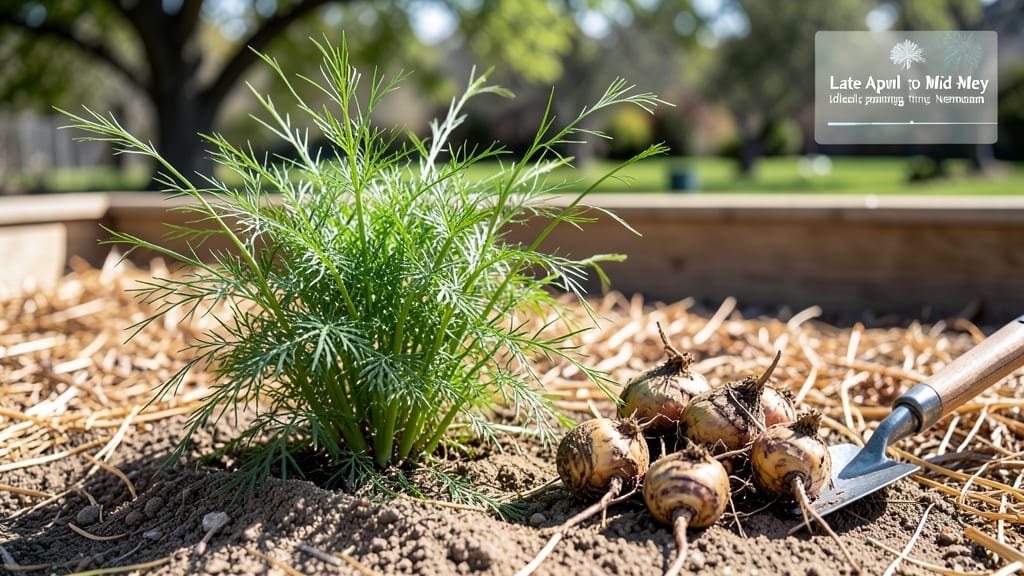
Planting asparagus in Nebraska isn't just about throwing crowns into the dirt—it's about timing your spring move perfectly to avoid frost damage and set up years of harvests. With the right window, your 🌱 asparagus can thrive in zones 5a-6b, delivering fresh spears for decades.
But get it wrong, and you're staring at a garden full of wilted dreams instead of perennial payoff.
The key to success lies in Nebraska's unpredictable climate, where early planting can mean frost-burned crowns. I'll show you exactly when to plant—whether you're in Omaha's warmer pockets or the cooler Panhandle—so you can start your trenches between March and early April without guessing.
No more waiting three years for harvests only to watch them fail because of a late frost.
Beyond timing, Nebraska's soil plays a huge role. Clay-heavy or sandy, your asparagus needs the right prep to grow strong roots that survive our variable weather. We'll cover soil testing, trench depth, and mulching tricks that keep your plants happy through droughts and heatwaves.
Think of it as giving your asparagus a head start on a 5-foot-tall future.
Ready to stop second-guessing and start planting with confidence? I'll walk you through zone-specific dates, soil secrets, and even how to adjust for those pesky Nebraska cold snaps. Let's turn your garden into the asparagus patch of your dreams—starting with the right timing.
Best planting dates for Nebraska asparagus by hardiness Zone (5-7)
Nebraska’s USDA hardiness zones 5-7 create a unique challenge for asparagus growers—too early, and frost zaps tender crowns; too late, and your plants struggle to establish before summer heat.
The ideal planting window is early spring (March to early April), but exact timing depends on your specific zone and last frost date.
For Zone 5a (western Nebraska), aim to plant 2-3 weeks before your average last frost date (typically April 15). In Zone 6a (central Nebraska), you’ve got a slightly longer window—plant late March to mid-April.
Meanwhile, Zone 7b (southeastern Nebraska) gardeners can start as early as mid-February if soil temperatures stay above 50°F.
Here’s the key: Soil temperature matters more than air temperature. Asparagus crowns rot in cold, wet soil. Use a soil thermometer to confirm temperatures are consistently 50-60°F before planting. In Nebraska’s variable climate, this often means waiting until mid-April in colder zones.
Fall planting is not recommended for Nebraska’s climate. While some regions allow fall crowns, Nebraska’s early frosts (mid-October) and freeze-thaw cycles make survival rates too low. Stick to spring planting for reliable results.
| Zone | Planting Window | Last Frost Date | Soil Temp Goal |
|---|---|---|---|
| 5a (Western NE) | Late March - Early April | April 15 | 50-60°F |
| 6a (Central NE) | Mid-March - Mid-April | April 1-15 | 50-60°F |
| 7b (Southeast NE) | Mid-February - Early April | March 15-April 1 | 50-60°F |
🌱 Nebraska Asparagus Planting Timeline by Zone
If you’re starting asparagus from seeds indoors, begin 8-10 weeks before your last frost date. For Nebraska, this means late January to early March for most zones. Transplant seedlings outdoors after soil warms and all danger of frost has passed.
Pro tip: Check Nebraska Extension’s local frost date maps for your specific county. These provide hyper-localized planting advice that beats generic zone guides. For example, Lincoln (Zone 6a) often has later frosts than Omaha (Zone 5b), even though they’re close in distance.
Remember, asparagus is a perennial investment. Crowns planted at the wrong time may take 2-3 extra years to establish. But get the timing right, and you’ll enjoy harvests for 15+ years with minimal replanting.
For extra insurance, cover young plants with frost blankets if late frosts threaten in Zone 5a. This simple step can save your crop during Nebraska’s notorious April snow events.
Now that you’ve got your planting dates locked in, let’s dive into soil prep—because even the best timing won’t help if your soil isn’t ready for action. 🌿
How to prepare Nebraska soil for asparagus success (before planting)
Nebraska’s soil can be a double-edged sword for asparagus—too much clay slows drainage, while sandy patches dry out roots too fast. The key to success is prepping your soil 6-8 weeks before planting, whether you're in Omaha's loamy pockets or the Panhandle's sandy stretches.
Without proper prep, your 🌱 crowns will struggle to establish those deep roots needed for years of harvests.
Start by testing your soil’s pH level—asparagus thrives in slightly alkaline soil between 6.5 and 7.5. Grab a kit from your local garden center or send a sample to the Nebraska Extension Soil Testing Lab.
If your pH is off, amend it with lime (to raise pH) or sulfur (to lower pH)—but do this 3-4 months before planting to avoid burning roots.
Next, focus on drainage. Asparagus hates soggy feet—dig a 12-inch-deep trench where your crowns will go, then mix in 2-3 inches of compost or aged manure with the native soil.
For sandy soils, blend in peat moss or coconut coir to retain moisture without compacting. This trench will become your asparagus’ home for decades, so take your time.
Work in a balanced fertilizer (like 5-10-10) at planting time to give your crowns a nutrient boost, but skip heavy doses of nitrogen—too much promotes foliage over spears.
Instead, aim for phosphorus-rich amendments to encourage root development. Spread a 2-inch layer of mulch (straw or wood chips) around the trench to lock in moisture and suppress weeds.
Finally, consider raising beds if your native soil is particularly poor. A 12-inch-high raised bed filled with a mix of topsoil, compost, and perlite gives you complete control over drainage and fertility.
Just ensure it’s in a full-sun location—asparagus needs 6+ hours of sunlight daily to produce those prized spears.
With your soil prepped, you’re ready to plant your 🌱 asparagus crowns in the optimal window we’ll cover next. Remember: the better your soil prep, the faster your asparagus will establish and the longer your harvests will last—sometimes for 15-20 years with proper care!