
Plants
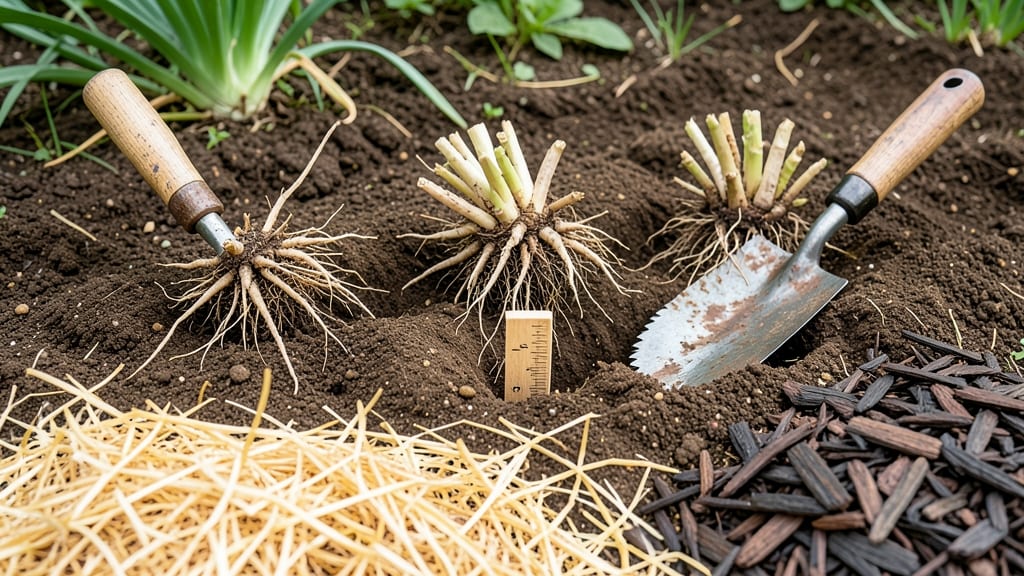
If you're wondering when do you plant asparagus in Michigan, timing is everything for a successful harvest. The narrow window between frost and soil warmth can make or break your asparagus crowns—get it wrong, and you might lose your entire crop before the first spears even emerge.
For Michigan gardeners in zones 5b-6b, the ideal time falls between early March and mid-April, when soil temperatures reach 50°F and the threat of hard frost has passed.
This spring planting window ensures your asparagus has 3-4 months to establish strong roots before winter dormancy, setting the stage for a productive harvest in May-June.
Most gardeners opt for crowns over seeds because they mature faster and produce spears sooner—critical in Michigan’s short growing season.
Whether you’re planting in southern Michigan’s warmer Zone 6b or the cooler Zone 5b of the Upper Peninsula, the key is preparing your soil 2-3 weeks early with compost and good drainage.
In this guide, I’ll break down the exact dates, soil prep tips, and how to adjust for Michigan’s unpredictable weather. Let’s get your asparagus off to the best possible start this spring!
Michigan planting zones & ideal asparagus planting dates by month
Michigan’s USDA zones 4-6 create a unique challenge for planting asparagus crowns, since the state spans from northern Zone 4b to southern Zone 6b.
The key to success lies in planting when soil temperatures reach 50°F and the last frost has passed—but Michigan’s unpredictable spring weather means you’ll need flexibility in your timing. Most gardeners aim for late March to mid-April, but northern Michigan may need to wait until early May.
For crown planting (the most common method), the window is tight: plant too early, and frost will damage tender roots; too late, and your crop won’t establish before summer heat arrives. Seed planting requires even more precision, as seedlings are far more vulnerable to cold snaps.
Below, we break down the ideal planting dates by zone, along with soil temperature guidelines to help you time it perfectly.
⚠️ NON-NEGOTIABLE: Always check your local last frost date (typically April 15 in southern Michigan, May 1 in the north) and wait until soil warms to 50°F—use a soil thermometer to confirm. Planting too soon is the #1 mistake Michigan gardeners make with asparagus.
🌱 Michigan Asparagus Planting Guide by Zone
| USDA Zone | Ideal Planting Window | Soil Temp Requirement | Last Frost Date | Notes |
|---|---|---|---|---|
| Zone 4b (Northern MI) | Early May (after May 1) | 50°F minimum | May 1 - May 15 | Use row covers if planting in April |
| Zone 5a (Central MI) | Late April (after April 15) | 50°F minimum | April 15 - April 30 | Best for 'Jersey Knight' variety |
| Zone 5b (Southern MI) | Mid-March to April 15 | 45°F minimum (warms quickly) | April 1 - April 15 | Earliest harvest potential |
| Zone 6a (Southwest MI) | Late February to March 15 | 40°F minimum | March 15 - April 1 | Risk of late frosts—use cloches |
🌡️ Pro Tip: Use a soil thermometer to confirm readiness—planting when soil hits 50°F ensures roots establish before summer heat arrives.
If you’re planting asparagus seeds (less common but rewarding for heirloom varieties), start them indoors 8-10 weeks before your last frost date. Seedlings are delicate, so transplant them outdoors only after all danger of frost has passed and soil is consistently 55°F.
Seed-starting in Michigan typically begins in mid-January for Zone 6 or late February for Zone 4.
One critical Michigan-specific tip: Prepare your planting beds 2-3 weeks before the optimal window. Asparagus thrives in well-draining, sandy loam soil with a pH of 6.5-7.5. Work in 3-4 inches of compost and avoid fresh manure, which can burn the roots.
Raised beds are ideal for northern Michigan’s heavy clay soils, as they improve drainage and warm up faster in spring.
Remember, asparagus is a perennial that takes 2-3 years to establish before producing spears. Planting at the right time ensures your crop will be ready to harvest in mid-May (Zone 6) or late May (Zone 4), giving you a 6-8 week harvest window each year afterward.
Don’t rush—patience now means decades of harvests with minimal replanting.
For gardeners in Zone
How to time asparagus planting for Michigan’s unpredictable weather patterns
Michigan’s variable spring weather can turn your asparagus planting plans upside down if you’re not prepared. Unlike warmer climates, we often face late frosts in April or soggy, cold soils that delay planting.
The key is tracking soil temperatures and adjusting your schedule based on real-time conditions—not just average frost dates.
For most of Michigan, the last average frost date falls around April 15, but northern zones like Zone 5b can see frost as late as May 1. I recommend waiting until the soil reaches 50°F (use a soil thermometer!) and nighttime temperatures stay above 40°F consistently.
This usually lands in mid-to-late April for southern Michigan and early May for the Upper Peninsula.
Pro tip: If you’re planting crowns (the most common method), soak them in lukewarm water for 24 hours before planting to jumpstart root growth. This gives young plants a better chance to recover if a late frost hits.
For seeds, start them indoors in late February to give them a head start, but be prepared to harden them off before transplanting.
Even after the last frost, late spring cold snaps can damage tender asparagus shoots. If frost is forecasted within 2 weeks of planting, cover young plants with frost cloth or a row tunnel. Avoid plastic sheets—they trap too much heat and can scorch delicate foliage.
🌱 Signs of frost damage: Brown, mushy spears or crispy edges on leaves.
Wet springs are another Michigan challenge. Asparagus hates soggy soil, which can lead to root rot. If your garden stays waterlogged, amend the soil with compost or sand to improve drainage.
Raise beds or plant on a slight slope to help water run off. I’ve seen asparagus thrive in well-drained raised beds even during Michigan’s wettest springs.
Don’t forget to prepare your planting beds 2-3 weeks early. Work in 2-3 inches of compost and a balanced fertilizer (5-10-10) to give your asparagus the nutrients it needs to establish quickly.
Test your soil’s pH (6.5-7.0 is ideal)—Michigan’s clay soils often need lime to raise pH if it’s too acidic.
If you miss the ideal March-April window, you can plant asparagus in early May, but expect a smaller first-year harvest. The plant will focus on root growth rather than spear production.
For a second planting, some gardeners try late-summer crowns, but this is risky in Michigan’s short growing season—stick to spring for best results.