
Plants
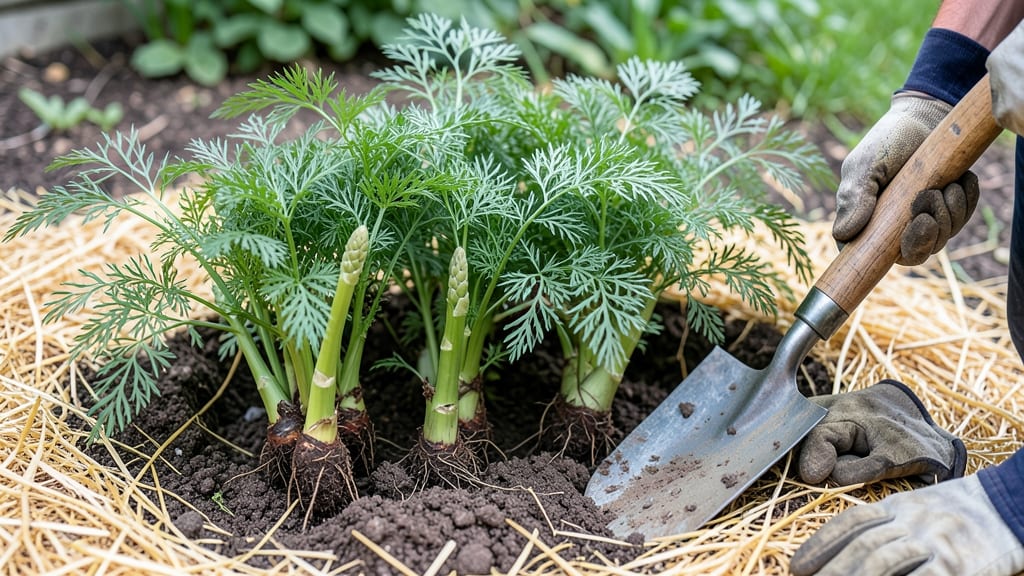
Timing your asparagus 🌱 planting in Zone 9 can make or break your harvest—plant too early, and the heat zaps your crowns; too late, and you’re playing catch-up all season.
Unlike cooler climates, Zone 9’s frost-free growing window demands a different strategy to give your asparagus the best shot at thriving.
If you’ve ever wondered why your asparagus patch struggles to establish strong roots despite your best efforts, the answer likely lies in when (and how) you planted it. The key to success in Southern California, Arizona, or Nevada isn’t just about the calendar—it’s about understanding your microclimate’s unique rhythms.
Whether you’re dealing with urban heat islands or coastal breezes, small adjustments can mean the difference between a fast, productive harvest and years of disappointment.
In this guide, I’ll break down the optimal planting window for Zone 9—when to get those crowns in the ground for maximum root growth—and share my top tips for preparing soil, managing irrigation, and avoiding common pitfalls.
Spoiler: The best time isn’t what you might expect, and it’s all about working with your climate, not against it.
Ready to set your asparagus up for a strong start? Let’s dive into the timing, techniques, and tweaks that will help your patch establish faster and deliver spears sooner than you’ve ever seen.

Best planting months for asparagus in Zone 9 (with microclimate adjustments)
In Zone 9, asparagus thrives when planted during cool shoulder seasons—not the scorching summer months. The ideal window spans September through October, when soil temperatures drop below 75°F and daytime highs stay under 85°F. This timing lets crowns establish roots before summer heat arrives.
Most gardeners in Southern California, Arizona, or Nevada mistakenly plant in spring, only to watch their asparagus struggle through heat stress. The 30-day window between September and October is critical—planting too early risks dormancy, while waiting too long delays root development.
Here’s how your local microclimate affects timing:
| Microclimate Type | Adjust Planting By | Soil Temp Threshold | Key Risk |
|---|---|---|---|
| Urban Heat Island | 2–3 weeks earlier (late August) | 65–70°F | Heat stress |
| Coastal/Marine | 1–2 weeks later (October) | 60–65°F | Slow root growth |
| Desert (Low Elevation) | 3–4 weeks earlier (mid-August) | 60–65°F | Extreme summer heat |
| High Desert (5,000+ ft) | 1 week earlier (early September) | 55–60°F | Frost risk (unlikely but possible) |
To pinpoint your exact window, monitor soil temperatures at 6-inch depth—the sweet spot for asparagus crowns is 55–65°F. Use a soil thermometer for 3–5 days to confirm. In Zone 9, this typically aligns with late September for most regions.
Pro tip: Pre-sprout crowns indoors 2–3 weeks before planting. Place crowns in a moist paper towel at 65°F until roots emerge (3–5 days). This head start compensates for slower field establishment in warm soils.
For coastal gardeners, aim for October planting—the cooler ocean breezes extend the window. Inland areas should plant by mid-September to avoid 100°F+ days, which can kill young crowns within weeks.
Always plant 12–18 inches apart in well-draining soil with a pH of 6.5–7.5. Amend heavy clay with compost or sand to prevent root rot, a common issue in Zone 9’s intense summers.
After planting, mulch heavily (3–4 inches) with straw or wood chips to retain moisture and block summer heat. This simple step can double crown survival rates in your first growing season.
🌱
How to time asparagus planting for faster crown establishment in hot climates
In Zone 9’s relentless heat, asparagus crowns need a head start to establish roots before summer stress sets in. Unlike cooler climates, where spring planting is standard, Zone 9 gardeners often see better results by planting late summer to early fall—specifically September through October.
This timing allows crowns to develop roots before the hottest months, ensuring they’re ready to push spears the following spring.
My top strategy for faster establishment? Pre-sprouting crowns indoors 4–6 weeks before planting. Place crowns in a shallow tray with moist sand or vermiculite, keeping them in bright light (not direct sun) until roots emerge.
This jumpstarts growth, giving your asparagus a 2–3 week advantage over field-planted crowns. Just avoid letting them get too leggy—trim any shoots longer than 2 inches to focus energy on root development.
Once planted, mulching is non-negotiable in Zone 9. Use a 3–4 inch layer of straw or wood chips to retain moisture and regulate soil temperature. I’ve seen mulched beds stay 10–15°F cooler than bare soil during peak summer, which is critical for root health.
Pair this with drip irrigation set to water deeply 2–3 times per week in the first month, then taper to weekly once roots are established.
🌱 3 Key Steps for Faster Crown Establishment in Zone 9
- Pre-sprout crowns: Start indoors 4–6 weeks before planting to jumpstart root growth.
- Mulch aggressively: Apply 3–4 inches of straw or wood chips to retain moisture and cool soil.
- Deep water weekly: Use drip irrigation for consistent moisture without wetting foliage.
Don’t overlook companion planting to protect your asparagus from heat stress. I plant marigolds around the perimeter to deter pests like asparagus beetles, while basil or oregano nearby helps repel whiteflies.
These companions also shade the soil slightly, reducing evaporation. Another pro tip: Avoid planting near tomatoes or peppers, which compete for nutrients and can attract shared pests.
For container growers, choose large pots (at least 18 inches deep) with fast-draining mix—equal parts potting soil, compost, and perlite. Plant crowns 2 inches deeper than in-ground to stabilize them in pots, and use self-watering containers to maintain consistent moisture.
I’ve had success with black plastic pots, which absorb heat and warm the roots slightly in cooler mornings.
Finally, avoid fertilizing for the first 6–8 weeks after planting—your crowns need to focus on roots, not foliage. Once spears appear in spring, switch to a low-nitrogen fertilizer (like 5-10-10) to encourage strong spear production without excessive top growth.
With these adjustments, you’ll see spears in as little as 2 years instead of the usual 3.