
Plants
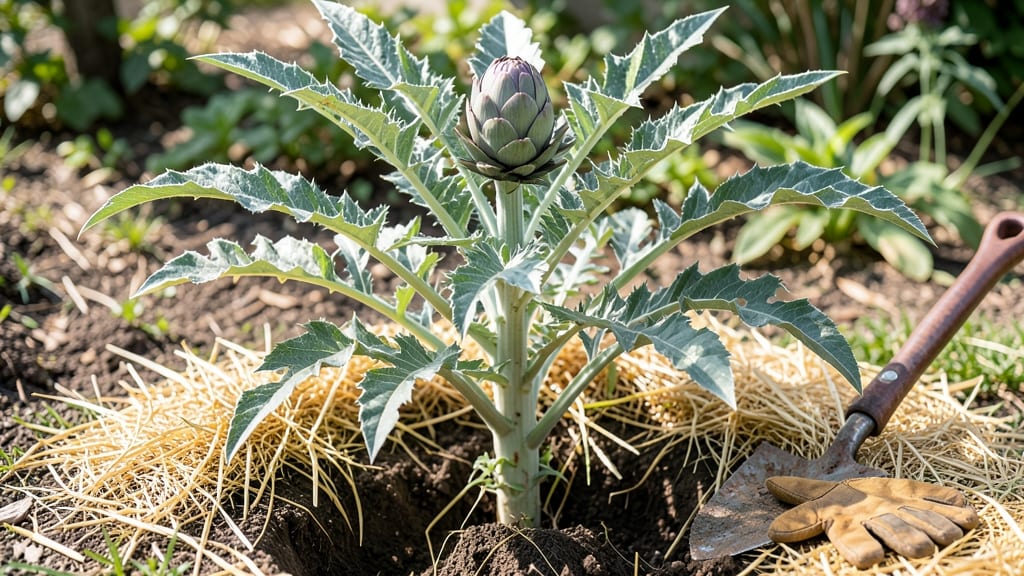
If you’ve ever dreamed of growing juicy, homegrown artichokes 🌱 in Zone 9’s relentless heat, when to plant artichokes in zone 9 is the secret weapon you can’t afford to miss. Planting at the wrong moment means bolting plants or bitter harvests—both heartbreaking for beginners and pros alike.
Zone 9’s fall-to-spring window (October–February) is your golden ticket, but even then, heat-resistant varieties like 'Green Globe' need precise care. I’ll break down the exact months to sow seeds or transplant starts, plus how to shield your plants from summer’s wrath—because nobody wants a sad, wilted artichoke.
From prepping soil with compost to avoiding common pitfalls like overwatering, I’ll walk you through every step to ensure your artichokes thrive.
Whether you’re a first-timer or a seasoned gardener, these tips will help you harvest plump, flavorful artichokes by spring or early summer—just in time for your favorite recipes.
Let’s get your garden ready for success—no more guessing, just actionable advice tailored to Zone 9’s unique climate. Your first perfect artichoke is closer than you think!

Optimal planting months for artichokes in Zone 9 (by variety & method)
Zone 9’s warm winters and scorching summers create a unique challenge for growing artichokes, but with the right timing, you can enjoy a bountiful harvest. The key is planting during cooler months when soil temperatures stay below 75°F.
Unlike cooler climates, Zone 9 gardeners must avoid summer heat, which triggers bolting and bitter flavors.
Artichokes thrive in fall and winter in Zone 9, with two main planting approaches: direct sowing seeds or transplanting starts. Each method has its own ideal window to maximize success. For direct sowing, aim for October through December when daytime temps hover around 70-75°F.
🌱 Artichoke Planting Guide for Zone 9
| Method | Best Varieties | Planting Window | Key Notes |
|---|---|---|---|
| Direct Sowing | Green Globe, Violetto | October–December | Soil temp <75°F; 1" deep |
| Transplant Starts | Imperial Star, Romanesco | February–March | Hardened starts; mulch heavily |
| Avoid | All varieties | April–September | Extreme heat causes bolting |
If you choose transplanting starts, February through March is ideal. This timing aligns with cooler weather and gives plants enough time to establish roots before summer heat arrives. Imperial Star and Romanesco varieties are excellent choices for Zone 9 due to their heat tolerance.
For direct-sown seeds, focus on Green Globe or Violetto varieties, which handle Zone 9’s mild winters well. Plant seeds 1 inch deep in well-draining soil with a pH of 6.5-7.5. Use a cold frame or row cover in late winter to protect young plants from unexpected cold snaps.
Harvest timing depends on your planting window. For fall-planted seeds, expect buds to form in late winter (February-March), while spring transplants will produce harvests by April-June. Always harvest before buds fully open to ensure tender, flavorful artichokes.
One common mistake in Zone 9 is planting too late. Even March starts can struggle if summer arrives early. To mitigate this, use shade cloth (30-50%) during peak heat hours (11 AM–3 PM) to reduce stress on plants.
Soil preparation is critical. Amend your garden beds with 2-3 inches of compost and a balanced fertilizer (5-10-10) before planting. Artichokes are heavy feeders, so regular feeding every 4-6 weeks during active growth will prevent nutrient deficiencies.
Water deeply 2-3 times per week during establishment, then taper to weekly deep waterings once plants are mature. Avoid overhead watering to prevent fungal diseases like botrytis, which thrives in humid Zone 9 summers.
With the right timing and care, your Zone 9 artichokes can thrive year after year. Start with fall sowing for early harvests, or opt for spring transplants if you prefer a later season crop. Either way, you’ll enjoy homegrown artichokes without the bitterness of summer-planted failures! 🌱
Optimal planting months for artichokes in Zone 9 (by variety & method)
Zone 9’s mild winters and scorching summers demand precise timing for artichokes. The best window is October through February, when soil temps stay cool—ideal for seed germination and transplant survival. This period lets your plants establish roots before summer heat arrives, ensuring plump, flavorful harvests by spring.
For direct sowing, aim for late October to early December. Seeds need consistent moisture and 60°F soil temps to sprout. If you miss this window, transplant starts in February gives you a second chance—just harden them off first to avoid transplant shock.
Here’s the breakdown for heat-resistant varieties like 'Green Globe' and 'Imperial Star':
| Method | Best Months | Soil Temp | Notes |
|---|---|---|---|
| Direct Sow | Late Oct–Early Dec | 60–75°F | Slow germination; keep soil moist. |
| Transplant Starts | February | 55–65°F | Hardened-off plants survive better. |
| Spring Sow (Risky) | March (shade cloth required) | 70–80°F | High bolting risk; use shade. |
Spring planting is possible but risky—only attempt it with shade cloth (30–50%) and drip irrigation to prevent bolting. If you plant in March, monitor temps closely; artichokes bolt (go to seed) when stressed by heat.
Pro tip: Amend soil with compost before planting to improve drainage—Zone 9’s clay-heavy soils can suffocate roots. Aim for a pH of 6.5–7.5 and add organic matter like aged manure or worm castings for nutrient-rich soil.
Once planted, mulch heavily with straw or wood chips to retain moisture and regulate soil temps. This keeps roots cool during Zone 9’s summer heat waves, which can spike to 100°F+ and stress your plants.