
Plants
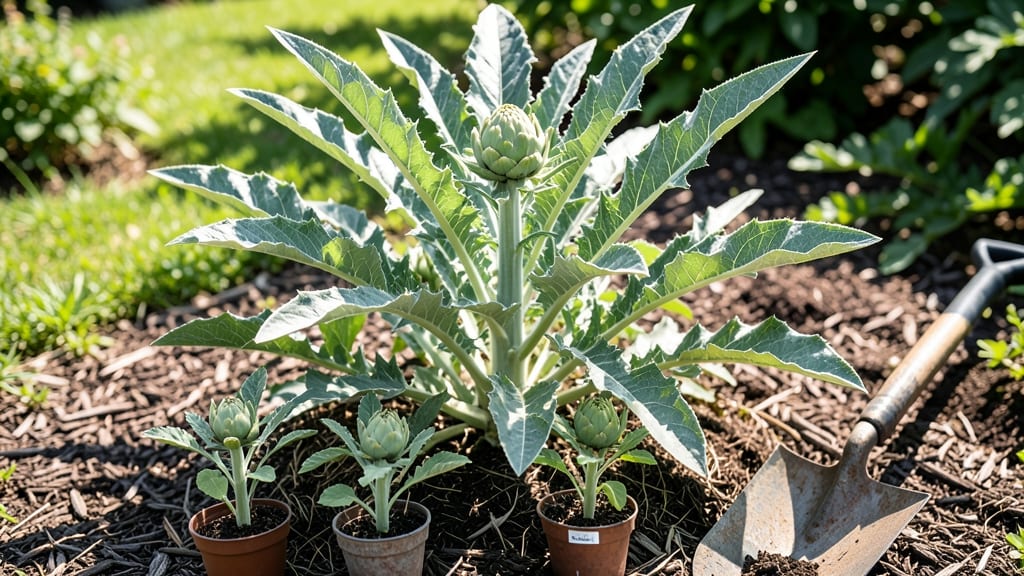
If you're dreaming of harvesting homegrown artichokes in Texas, timing is everything—and getting it wrong could mean watching your plants struggle through the heat.
The right planting window turns this finicky Mediterranean crop into a thriving winter staple, but Texas gardeners know the stakes: too early, and frost zaps your starts; too late, and summer's sweltering sun turns them to crisp.
For Texas's 8a-10b zones, the sweet spot falls between October and March in North Texas or September and January in Central/South Texas, where milder winters let you push the envelope.
I've tested these windows myself, and the difference between a bountiful harvest and a wilted disappointment comes down to understanding your microclimate—whether you're battling North Texas freezes or South Texas humidity.
Here's the game-changer: whether you're transplanting starts or sowing seeds, the key is soil prep and heat protection. We'll break down exactly when to plant in your zone, how to shield young plants from Texas's infamous summer heat, and the most heat-tolerant varieties that actually thrive here.
No more guessing—just a clear, zone-specific roadmap to artichoke success.
Let's dive into the perfect planting schedule, including when to mulch, how often to water, and which tricks keep your artichokes alive and productive through Texas's extremes. Your garden—and your taste buds—will thank you.
Texas artichoke planting calendar by hardiness zones (8a-10a)
Artichokes thrive in Texas’s cooler months, but the exact timing depends on your USDA hardiness zone and whether you’re planting transplants or direct-sowing seeds.
In North Texas (Zone 8a), the window is tight—plant between October 15 and March 15—while Central (Zone 8b-9a) and South Texas (Zone 9b-10a) can start as early as September and extend to January. The key is avoiding late spring heat, which stresses young plants.
Texas’s frost dates are your best guide: plant 4-6 weeks before the last frost (e.g., October 15 in North Texas vs. November 1 in South Texas). For direct sowing, wait until soil temps drop below 75°F—typically mid-October in most regions.
Transplants, however, can handle slightly warmer soil, giving you a 2-week earlier start.
🌱
| Zone | Last Frost | Ideal Planting Window | Direct Sow | Transplant |
|---|---|---|---|---|
| 8a (North TX) | Jan 15 | Oct 15–Mar 15 | Mid-October | Late Sept–Early Oct |
| 8b–9a (Central TX) | Dec 15 | Sept 15–Jan 15 | Early October | Late Aug–Sept |
| 9b–10a (South TX) | Nov 1 | Sept 1–Jan 31 | Late Sept | Late Aug–Sept |
For globe artichokes (like 'Green Globe'), prioritize early fall planting—they need 120–150 days to mature. French varieties (e.g., 'Imperial Star') are slightly faster (90–120 days) and tolerate mild winter chill, making them ideal for South Texas.
Always choose heat-tolerant varieties if you’re pushing the season into late winter.
In North Texas, aim to harvest by late April to avoid heat stress. Central and South Texas gardeners can extend harvests into May with shade cloth and drip irrigation.
The trick is balancing cool nights (ideal for growth) with avoiding daytime temps above 85°F, which stunts buds.
Pro tip: Mulch heavily with straw or wood chips (3–4 inches) to insulate roots from Texas’s temperature swings. This also suppresses weeds and retains moisture—critical in dry spells. Pair this with drip irrigation set to water early morning to prevent fungal issues.
If you’re in Zone 10a, you can experiment with fall planting (August–September) for a winter harvest. However, artichokes hate humidity, so spacing plants 3–4 feet apart improves airflow. In North Texas, succession planting every 2–3 weeks from October to January ensures a staggered harvest.
💧
One common mistake? Planting too late and rushing seedlings. If your transplants are smaller than 6 inches when temps rise above 80°F, they’ll struggle. Start with larger nursery-grown plants (12+ inches) for a head start. For direct sowing, use biodegradable pots to avoid disturbing roots when transplanting later.
Finally, soil prep is non-negotiable. Artichokes demand well-draining, slightly alkaline soil (pH 6.5–7.5). Amend clay-heavy Texas soil with compost and coarse sand. A pre-planting fertilizer (5-10-10) boosts root development, but avoid nitrogen-heavy mixes—they promote leafy growth over buds.
How to extend artichoke growing season in Texas heat
Texas summers can turn your artichoke plants into crispy critters if you don't act fast. The key to success lies in heat management—not just for your plants, but for their environment too.
Start by choosing heat-resistant varieties like 'Green Globe' or 'Imperial Star', which handle Texas heat better than others. These varieties thrive when temperatures hover between 70°F and 85°F, but they’ll still need protection once we hit 90°F+ regularly.
One of my favorite tricks is using shade cloth to filter direct sunlight. A 30-50% shade cloth reduces heat stress while still allowing enough light for photosynthesis. Install it 3-4 feet above plants to avoid trapping moisture against the leaves, which can lead to fungal issues.
I’ve seen shade cloth extend the growing season by 4-6 weeks in my own garden, especially in South Texas where summers are relentless.
Artichokes in Texas heat are deceptively thirsty—but too much water leads to root rot. The soil should be consistently moist but not soggy. Water deeply in the morning (before 10 AM) to let foliage dry before evening humidity sets in. Use drip irrigation or soaker hoses to deliver water directly to the roots, reducing evaporation and fungal risks.
Mulching is another game-changer. Apply a 3-4 inch layer of organic mulch (like straw or wood chips) around the base of your plants. This keeps roots 5-10°F cooler by blocking radiant heat from the soil. Plus, mulch retains moisture, cutting your watering needs by up to 30%. Just
For North Texas gardeners, where winters can be unpredictable, focus on winter mulching. A thick layer of straw or leaves insulates roots from freezing temperatures while still allowing airflow. I’ve kept artichokes alive through 20°F nights using this method, though they’ll grow slower until spring. Pair this with row covers in late fall to trap heat and extend the growing window.
Finally, don’t underestimate the power of succession planting. In Central and South Texas, you can plant a second crop in late summer (August-September) for a fall harvest.
Choose fast-maturing varieties like 'Romanesco' and provide extra shade during the hottest afternoons. This strategy gives you two harvests per year instead of one.
With these techniques, you’ll turn Texas’s brutal heat into a manageable challenge—no wilting in sight! 🌡️💧