
Trees
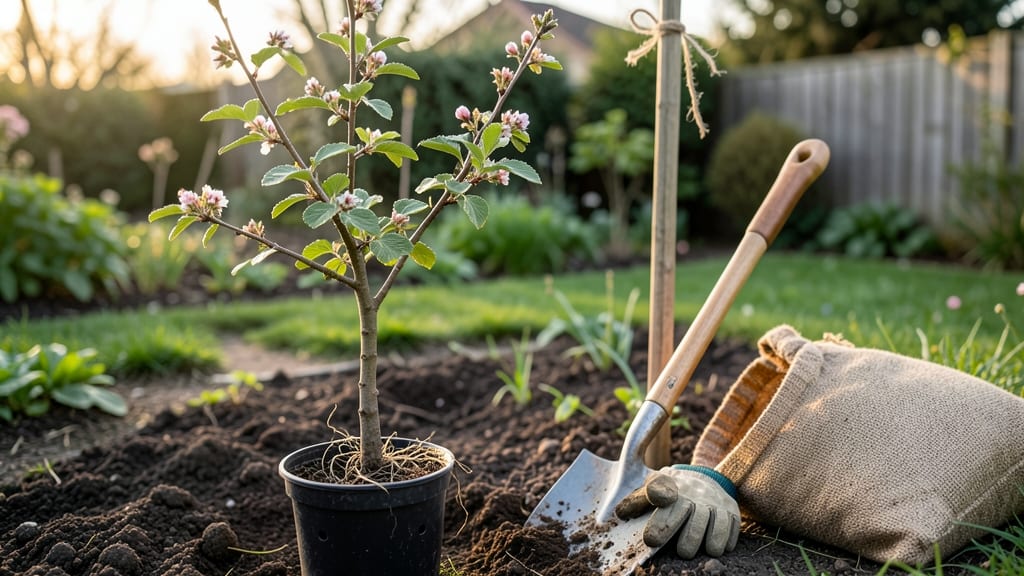
Timing your 🍎 apple tree planting in Zone 5 can make or break your orchard dreams—get it wrong, and you risk frost damage or stunted growth.
This isn’t just about picking a season; it’s about understanding chill hours, soil temperatures, and your local frost dates to give your tree the best start.
Most gardeners in Zone 5a-5b know early spring or fall are the safest windows, but the real secret lies in the details. Planting bare-root trees in March or April lets roots establish before summer heat, while fall planting in September or October avoids drought stress.
I’ll walk you through how to choose the perfect moment based on your microclimate.
You’ll also discover which apple varieties thrive best in your zone, how to prep the soil for maximum root growth, and the critical care steps after planting—like mulching and watering—to keep your young tree healthy through its first winter. Let’s break it down so you can plant with confidence.
Whether you’re a first-time grower or a seasoned orchard keeper, these insights will help you avoid common mistakes and set your 🍎 apple tree up for years of bountiful harvests. Ready to dig in?

Zone 5 apple tree planting timeline: chill hours & frost dates explained
Timing your apple tree planting in Zone 5 is all about balancing chill hours (300-700) with frost-free windows. Most varieties need 300-700 chill hours to bloom properly, and planting too early or late can stress young trees.
In Zone 5a-5b, your last spring frost typically hits mid-May, while first fall frosts arrive by mid-October.
Your two best windows are early spring (March-April) or fall (September-October). Spring planting lets roots establish before summer heat, while fall planting gives trees time to root before winter dormancy. Both methods work, but fall planting is ideal for bare-root trees because cooler soil reduces transplant shock.
Here’s the critical timeline for Zone 5 apple trees:
| Stage | Action | Notes |
|---|---|---|
| Early Spring (March-April) | Plant bare-root or container-grown trees | Soil temps should be above 40°F but below 50°F |
| Fall (September-October) | Plant 4-6 weeks before first frost | Ideal for bare-root trees; roots harden before winter |
| Post-Planting (First Year) | Water deeply weekly; mulch 3" around base | Protect from late frosts with frost cloth |
| Year 2+ | Prune in late winter; fertilize in spring | Established trees handle Zone 5 winters with ease |
For spring planting, aim for March-April when soil is workable but still cool. This gives roots 6-8 weeks to establish before summer heat. If planting in fall, choose September-October—at least 4-6 weeks before first frost—to allow roots to harden before winter.
Avoid planting in late spring (May-June) when late frosts can damage new growth.
Your local microclimate matters! Urban areas may experience 2-3°F warmer temps than rural zones, delaying frost dates. Check your last frost date using the USDA Plant Hardiness Zone Map or local weather records.
For example, Chicago (Zone 5b) averages last frost around April 25, while Buffalo (Zone 6a) sees it by May 10.
Pro tip: Use a soil thermometer to confirm soil temps. Bare-root trees thrive when soil is 40-50°F, while container-grown trees can handle slightly warmer soil. If temps rise above 60°F during spring planting, roots may dry out too quickly—water deeply before and after planting to offset this risk.
Don’t overlook chill hours when selecting varieties. 'Honeycrisp' needs 600-800 chill hours, while 'McIntosh' thrives with 300-500. Planting a high-chill variety in a low-chill microclimate (e.g., near a heat-retaining wall) can lead to poor flowering and fruit set.
Always match your apple variety to your local chill hours.
After planting, prioritize watering and mulching. Young trees need 15-20 gallons of water weekly during the first year. Apply mulch 3 inches deep around the base (but keep it 6 inches away from the trunk) to retain moisture and regulate soil temperature.
This is especially critical in Zone 5’s fluctuating spring and fall temps.
Finally, protect your saplings from late spring frosts (common in May). Use frost cloth or a row cover if nighttime temps dip below 28°F. Even established trees can suffer bloom damage from frost, reducing your harvest.
With the right timing and care, your Zone 5 apple tree will reward you with years of fruit—not just one failed season.
Zone 5 apple tree planting timeline: chill hours & frost dates explained
Timing your apple tree planting in Zone 5 hinges on two critical factors: chill hours (300-700) and your last frost date. Most Zone 5 gardeners (5a-5b) have a 150-180 frost-free day window, but microclimates can shift this by weeks.
For example, March-April is ideal for bare-root trees because soil temps hit 40°F (4°C), perfect for root growth before summer heat.
Fall planting in September-October works too, but only if you plant 6-8 weeks before ground freezes. This gives roots time to establish before winter dormancy.
I’ve seen gardeners in western Zone 5 (like Iowa) plant as late as November, while those in eastern Zone 5 (like New York) must finish by October 15th to avoid frost damage.
Here’s how to calculate your exact window: Check your average last frost date (usually mid-May), then count backward. For spring planting, aim for 4-6 weeks before last frost—this gives roots time to establish before summer stress.
For fall, subtract 6-8 weeks from your first frost date (typically mid-October in Zone 5).
| Planting Window | Soil Temp | Chill Hours Needed | Key Consideration |
|---|---|---|---|
| Early Spring (March-April) | 40-50°F (4-10°C) | 300-700 | Bare-root trees; avoid drought stress |
| Fall (September-October) | 50-60°F (10-15°C) | 300-700 | Container-grown trees; 6-8 weeks before frost |
| Late Fall (November, rare) | 40°F (4°C) or warmer | 300-500 | Only in mild microclimates; risk of frost |
Pro tip: Use a soil thermometer to confirm temps before planting. Roots need consistent moisture but well-draining soil—soggy roots in spring or fall can lead to rot.
I’ve also found that mulching with straw after planting retains moisture and regulates soil temps, which is especially helpful in Zone 5’s unpredictable spring frosts.
If you’re planting in late spring (May), choose cold-hardy varieties like ‘McIntosh’ or ‘Cortland’, which tolerate brief frost better than ‘Honeycrisp’. Always monitor your local National Weather Service alerts for late frosts—even a 28°F (-2°C) dip can damage young leaves.
Wrapping the trunk with tree guard adds an extra layer of protection.
Remember, the first 2 years are critical for root establishment.
A tree planted at the right time in Zone 5 can grow 2-4 feet in its first year and 6-8 feet by year two—so get those chill hours and frost dates right, and you’ll be rewarded with a fruit-bearing tree in 3-5 years.