
Trees
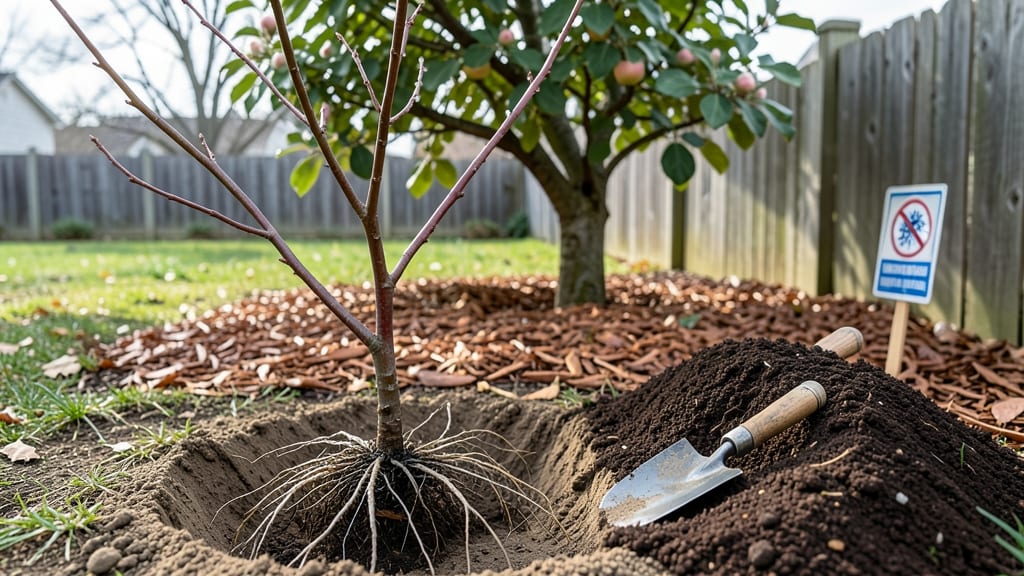
Timing your 🍎 Apple Tree planting in England isn't just about seasons—it's about survival. Plant too early, and frost can kill your young roots; too late, and your tree might struggle to establish before summer heat arrives.
Most gardeners in USDA Zones 8-9 swear by late autumn to early spring, but the best window depends on your region. Southern England's milder winters mean you can plant as late as December, while northern areas need to get those roots in by November.
Here’s the key: chill-hour needs vary by variety, and choosing the wrong one could mean flowers blooming too early—or no fruit at all. I’ll break down the best months for your area, plus how to pick cold-hardy varieties that thrive in England’s unpredictable climate.
Ready to avoid common mistakes? Let’s dive into the exact steps to plant your 🍎 Apple Tree for success—no guesswork required.
Best planting months for apple trees in England by region
England’s diverse climate means planting apple trees at the wrong time can spell disaster—especially in frost-prone northern regions. The golden window spans November to March, but your exact timing depends on whether you’re in sunny Sussex or chilly Cumbria.
Southern gardens benefit from slightly later planting, while northern areas need to get saplings in the ground before first frosts hit.
For bare-root trees, the dormant season (late autumn to early spring) is ideal. This gives roots time to establish before spring growth begins.
In milder southern England, you can plant as late as December, but in cooler northern zones, aim for November to avoid winter waterlogging or frost damage.
Soil temperature is critical—roots struggle below 5°C (41°F). In warmer regions like Dorset, soil may stay workable until January, while colder areas like Yorkshire might need planting by November 15th to prevent frost stress. Always check local frost forecasts before digging.
Here’s how England’s regions differ in planting windows:
| Region | Best Planting Window | Soil Temp Threshold | Frost Risk |
|---|---|---|---|
| Southern England (e.g., Sussex, Kent) | October–December | 5–8°C (41–46°F) | Low (milder winters) |
| Midlands (e.g., Birmingham, Nottingham) | November–January | 4–6°C (39–43°F) | Moderate (late frosts) |
| Northern England (e.g., Yorkshire, Cumbria) | November–March (early) | 3–5°C (37–41°F) | High (early frosts) |
| Wales & Western Scotland | November–December (early) | 4–7°C (39–45°F) | Moderate (rainfall risks) |
If you miss the dormant-season window, spring planting (March–April) is possible—but only for container-grown trees with established root systems. Bare-root trees planted in spring may struggle to establish before summer heat arrives. For best results, stick to autumn/winter and choose hardy varieties suited to your region’s chill hours.
One common mistake? Planting too late in southern England and risking winter waterlogging. Heavy rains from December to February can suffocate roots. Always plant on a dry, frost-free day and avoid waterlogged spots. Raised beds or mounds help in clay-heavy soils common in the Midlands.
For container-grown trees, the window extends slightly into April, but they’ll need extra care to compensate for the later start. Always water deeply after planting and apply a 2-inch layer of mulch to retain moisture and regulate soil temperature.
Pro tip: Use a soil thermometer to check temperatures before planting. If soil is below 5°C (41°F), wait—roots won’t establish properly in cold conditions. In northern England, this might mean delaying until late February if early winter is harsh.
Finally, avoid planting in frost-prone microclimates, like low-lying areas where cold air settles. A south-facing slope warms up faster in spring, giving young trees a head start. With the right timing and variety, your apple tree will thrive—no matter where in England you garden! 🍏🌳
How chill-hours determine your apple tree variety choices
England’s mild winters mean chill-hour requirements are critical for apple trees. These hours—below 7°C (45°F)—tell your tree when to bloom. Too few, and you’ll get poor fruit set or no apples at all.
Most English gardens fall into the 300–600 chill-hour range. Varieties like ‘Discovery’ or ‘Fiesta’ thrive here, while ‘Gala’ (needing 800+ hours) may struggle in southern England.
Here’s the catch: Late frosts can kill blossoms if your tree wakes up too early. Cold-hardy varieties like ‘Jazz’ or ‘Red Falstaff’ sync better with England’s unpredictable springs.
| Variety | Chill-Hours Needed | Best For | Fruit Color |
|---|---|---|---|
| Discovery | 300–400 | Southern/Midlands | Red |
| Fiesta | 400–500 | Midlands/North | Striped |
| Jazz | 500–600 | All Regions | Red/Yellow |
| Red Falstaff | 600–700 | Northern Areas | Red |
If you’re in southern England, avoid varieties like ‘Braeburn’ (800+ hours). Instead, opt for ‘Egremont Russet’, which needs just 400 hours and handles heat better.
Pro tip: Check your local Met Office frost data—some years, chill hours drop below average. Planting a low-chill variety gives you a safety net.
Remember, rootstock matters too. Dwarfing rootstocks like M9 need fewer chill hours than standard trees. Pair it with the right variety, and you’ll maximize your harvest.