
Plants
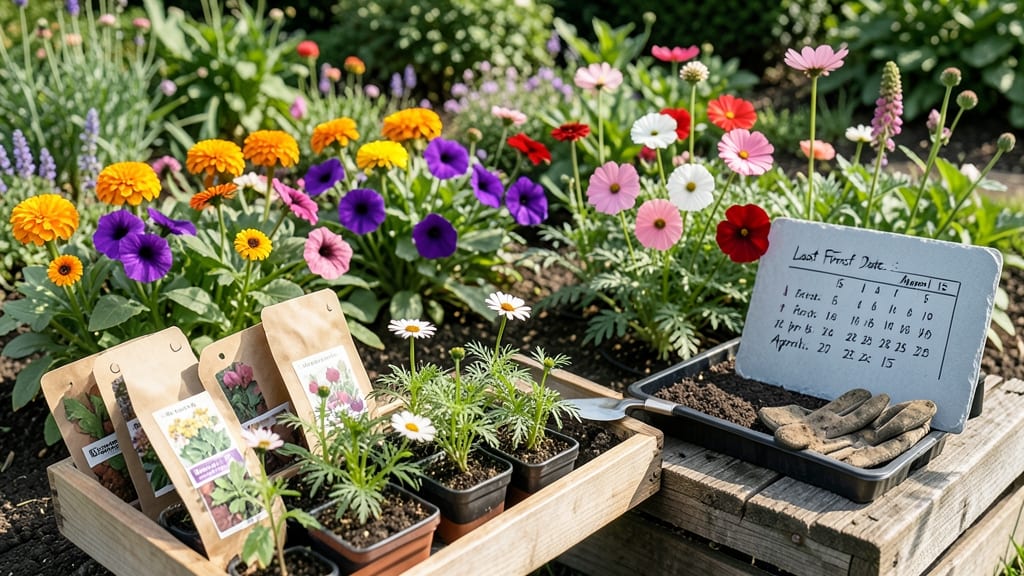
Timing your annuals planting in Pennsylvania wrong can mean the difference between a garden bursting with color and one that struggles to take root. With USDA zones 5-7 and microclimates ranging from Pittsburgh’s urban heat to the Poconos’ cooler slopes, getting the schedule right is everything.
You’ve probably heard “wait until after the last frost,” but Pennsylvania’s climate throws a curveball—some areas warm up weeks earlier than others. That’s why knowing your exact planting window matters more than just the calendar date.
Whether you’re sowing marigolds for summer blooms or cool-season pansies for early color, the right timing ensures your 🌱 thrive from the start.
Let’s break down the best months to plant based on your region, plus pro tips for adjusting to Pennsylvania’s unpredictable weather. You’ll learn how to read your local microclimate, avoid common mistakes, and keep your garden flourishing all season.
Ready to turn your garden dreams into reality? Here’s exactly when—and how—to plant for success, no matter where you are in the Keystone State.
Pennsylvania’s planting zones & ideal dates for annuals by region
Pennsylvania spans USDA hardiness zones 5-7, meaning your planting timeline should vary between Pittsburgh (Zone 6a), Philadelphia (Zone 7a), and the Poconos (Zone 5b).
The key to success? Timing your annuals around your region’s average last frost date, which ranges from mid-April to early May across the state.
For example, cool-season annuals like pansies and snapdragons thrive when planted 4-6 weeks before the last frost—so in Pittsburgh, that’s mid-March, while in the Poconos, aim for late March to early April.
Conversely, heat-loving annuals like marigolds and zinnias should wait until after Memorial Day when soil temps consistently stay above 60°F.
Here’s how to match your planting schedule to Pennsylvania’s three distinct regions, including early-spring, late-spring, and summer annuals with their ideal windows:
Pro tip: Use Penn State Extension’s frost date maps to pinpoint your exact last frost date. For instance, State College (Zone 6b) typically sees its last frost around April 20, giving you a 2-week window to plant cool-season annuals like cabbage or broccoli before summer heat sets in.
If you’re starting seeds indoors, begin 6-8 weeks before your region’s last frost. For example, Philadelphia gardeners should sow petunia seeds indoors in early February to transplant outdoors by mid-April. Use a heat mat to speed up germination for slow-growing annuals like geraniums.
For direct sowing, wait until the soil reaches at least 60°F for warm-season annuals. Test soil temperature with a soil thermometer—if it’s below 55°F, seeds may rot or fail to sprout.
In Zone 5 (Poconos), this often means delaying tomato or pepper planting until late May or early June.
Don’t forget about fall planting! In Zone 7 (Philadelphia), you can still sow cool-season annuals like kale or radishes in early September for a second harvest before winter. Aim to plant 6-8 weeks before your first frost, which in Philadelphia is typically mid-November.
For heat-sensitive annuals like impatiens or begonias, wait until after June 1 in most of PA to avoid late-spring frosts. In Pittsburgh’s Zone 6a, I’ve seen unexpected frosts in early June damage tender seedlings—so always have row covers on hand for emergencies.
Finally, urban gardeners in Philadelphia often enjoy earlier planting windows due to the urban heat island effect, which can push last frost dates 1-2 weeks earlier. Monitor local weather forecasts and adjust your schedule accordingly—your annuals will
How to adjust planting for Pennsylvania’s microclimates: urban heat islands, valleys, and mountain slopes
Pennsylvania’s microclimates can shift your planting schedule by weeks—even within the same county. Urban areas like Philadelphia and Pittsburgh often experience heat islands, where pavement and buildings trap warmth, while mountain regions like the Poconos stay cooler longer.
Understanding these variations helps you avoid frost damage or heat stress in delicate annuals.
For example, a river valley (like the Susquehanna) may have 2-3 weeks longer growing seasons than nearby hills. Meanwhile, mountain slopes can delay spring planting by 4-6 weeks due to lingering frost pockets. The key is adapting your planting timeline to your specific location’s quirks.
Here’s how to tweak your approach based on your local microclimate. Whether you’re in a city, valley, or mountains, these adjustments will help your annuals thrive.
Key Adjustments for PA Microclimates
- Start heat-loving annuals (e.g., marigolds, zinnias) 1-2 weeks earlier
- Use shade cloth for delicate plants like petunias in peak summer
- Monitor soil temperature—it can be 10°F warmer than rural areas
- Extend spring planting by 2-3 weeks (warmer microclimate)
- Watch for late frosts near water bodies (cold air sinks)
- Choose drought-tolerant annuals (e.g., lantana, salvia)
- Delay spring planting until 2 weeks after lowland areas
- Use row covers to protect early seedlings from late frosts
- Focus on cool-season annuals (e.g., pansies, snapdragons)
- Test soil temperature with a thermometer (ideal: 60-70°F)
- Adjust watering schedules—urban areas dry out faster
- Plant windbreak barriers in open slopes to reduce stress
If you’re unsure about your microclimate, check local frost maps from the Penn State Extension or use a soil thermometer to confirm when your soil is ready. For example, Pittsburgh’s urban core might hit 50°F soil temps by mid-April, while State College’s hills could still be 40°F.
Pro tip: Container gardening gives you flexibility—move pots to sunnier spots in valleys or cooler areas in cities. And always keep an eye on weather forecasts for unexpected late frosts or heatwaves, which can derail even the best-laid plans.
By fine-tuning your approach, you’ll turn Pennsylvania’s climate quirks into advantages—giving your annuals the perfect start, no matter where you garden. 🌿