
Plants
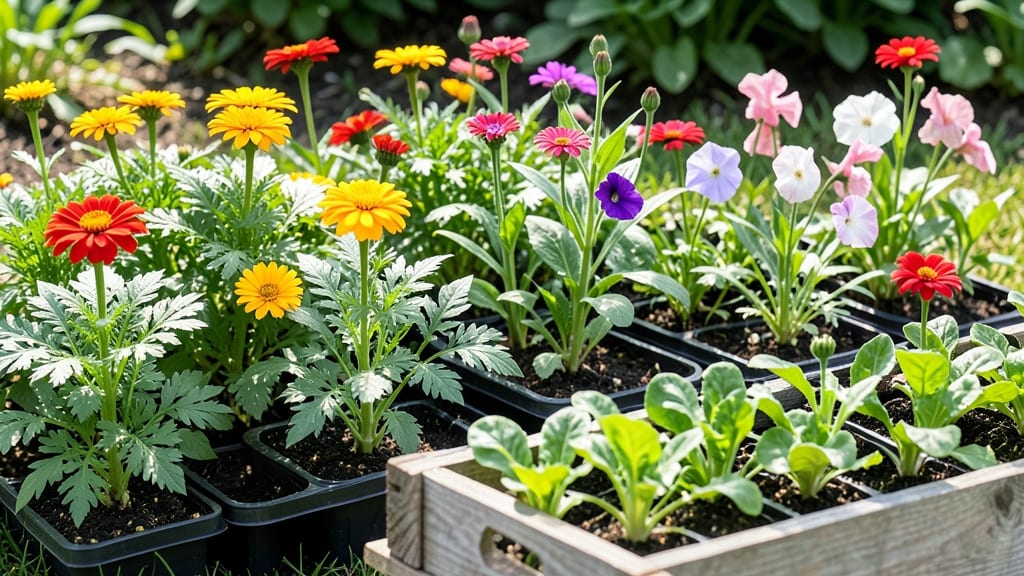
Timing your Annuals planting in NJ isn’t just about luck—it’s the difference between a garden bursting with 🌸 color by Memorial Day and one that struggles to catch up.
With New Jersey’s Zone 6a-7b climate, getting the dates right means avoiding late frosts that can turn your hard work into a sad, wilted memory.
Most gardeners here know the drill: wait until after the last frost—usually mid-April to early May—but what happens if you’re eager to start earlier? Or want to squeeze in a second planting for fall blooms?
The key is understanding how soil temperatures and microclimates (like coastal vs. inland areas) shift those deadlines.
In this guide, I’ll break down the exact windows for planting annuals in NJ, from heat-loving marigolds to cool-season veggies, so you can avoid common mistakes. You’ll also discover how to extend your growing season with simple tricks, ensuring your garden stays vibrant well into October.
Ready to turn your garden into a year-round showstopper? Let’s dive into the perfect planting schedule tailored just for NJ’s unique conditions.
NJ frost dates & exact planting windows for annuals by month
New Jersey’s Zone 6-7 climate creates a unique challenge for annuals—balancing late spring frosts with summer heat. The average last frost date ranges from April 1 (coastal areas) to April 22 (inland regions), but late frosts can still hit as late as May 15.
Planning around these dates ensures your annual flowers and vegetables thrive without frost damage or missed blooming seasons.
For heat-tolerant annuals like marigolds or lantana, you can push planting dates later, even after Memorial Day. Meanwhile, cool-season annuals such as pansies or lettuce should be planted 4-6 weeks before your last frost for early spring color.
Understanding these windows transforms guesswork into a foolproof planting schedule tailored to NJ’s microclimates.
| Month | Planting Window | Ideal Annuals | Notes |
|---|---|---|---|
| March | Start seeds indoors (6-8 weeks before last frost) | Pansies, Snapdragons, Lettuce | Use grow lights; avoid transplanting outdoors |
| April | Transplant hardy annuals after last frost risk | Petunias, Marigolds, Basil | Wait until soil reaches 50°F (10°C) |
| May | Direct-sow heat-tolerant annuals | Zinnias, Sunflowers, Tomatoes | Monitor for late frosts (use row covers if needed) |
| June | Succession plant for continuous blooms | Cosmos, Nasturtiums, Peppers | Focus on drought-tolerant varieties |
| July | Plant late-season annuals for fall color | Alyssum, Sweet Alyssum, Kale | Choose varieties with 45-day maturity |
| August | Last chance for fast-growing annuals | Radishes, Spinach, Pansies | Use cold frames to extend season |
Coastal NJ gardeners enjoy earlier planting dates thanks to the moderating ocean breezes, while inland areas face later frost risks. For example, Jersey City can plant marigolds by April 15, but Newark may wait until May 1.
Always check local frost forecasts from the NJ Agricultural Experiment Station for real-time adjustments.
If you miss the spring planting window, don’t despair—late July to early August is your second chance for fall-blooming annuals. Focus on fast-maturing varieties like cosmos or zinnias, which can still provide color until frost.
Just be prepared to mulch heavily to protect roots from early chills.
For vegetable annuals, timing is equally critical. Tomatoes and peppers need warm soil (at least 60°F) to germinate, so wait until after May 15 in most of NJ. Leafy greens like lettuce or spinach can handle cooler temps, making them ideal for early spring or fall planting.
Pro tip: Use frost cloth or row covers to create a microclimate and push your planting dates by 2-3 weeks. This is especially useful for tender annuals like begonias or impatiens, which can’t tolerate even light frosts. Just remove covers once plants are established to avoid overheating.
Remember, soil temperature matters more than air temperature. Use a soil thermometer to confirm 50°F (10°C) for cool-season annuals or 60°F (15°C) for warm-season varieties before planting. This small step can mean the difference between thriving plants and failed gardens.
For container gardening, adjust your timeline by 1-2 weeks earlier since pots warm up faster than garden beds. Place containers in sheltered spots to protect them from late frosts, and use self-watering systems to maintain consistent moisture during NJ’s hot, humid summers.
By mastering these NJ-specific planting windows, you’ll enjoy longer bloom times, healthier vegetables, and minimal frost damage. Happy planting—your garden’s success starts with the right timing! 🌱
Best annual flowers & vegetables to plant in NJ (with deadlines)
New Jersey’s Zone 6-7 climate lets you grow a dazzling array of annual flowers and vegetables, but timing is critical. Plant too early, and frost zaps your efforts; too late, and summer’s heat stunts growth.
I’ve curated the top-performing annuals for NJ gardens, complete with their critical planting windows and heat tolerance tips to ensure vibrant blooms or bountiful harvests.
For cooler-season annuals like pansies and lettuce, aim for early spring (March–April) or late summer (August–September) for fall harvests. Heat-loving varieties like tomatoes and marigolds thrive when planted after Memorial Day (May 30), once soil warms to 55°F (13°C).
🌸 Marigolds (🌿 Heat-Tolerant): Plant April 15–June 1 for continuous blooms. These pest-repelling powerhouses handle NJ’s summer heat with ease, making them ideal for container gardens or borders. Pinch back flowers to encourage bushier growth.
🍅 Tomatoes (☀️ Full Sun): Start seeds indoors by March 15 or transplant May 1–June 15 after last frost. Choose heat-resistant varieties like ‘Celebrity’ or ‘Solar Fire’ for NJ’s 90°F+ days. Stake plants to prevent sunscald on fruits.
🌼 Impatiens (🌧️ Partial Shade): Plant May 15–June 15 for shade-loving color. These low-maintenance bloomers thrive in morning sun and afternoon shade, perfect for woodland gardens or under trees. Avoid planting in full sun—they’ll scorch!
🌿 Basil (💧 High Water): Sow seeds April 20–June 1 after frost risk passes. This sun-hungry herb bolts in heat, so harvest leaves regularly to prolong production. Pair with tomatoes to repel pests like aphids.
🌱 Top 5 Annuals for NJ Gardens & Their Deadlines
- 🌼 Zinnias – Plant May 1–June 15; drought-tolerant, attracts pollinators.
- 🍆 Peppers – Start seeds March 1; transplant May 15–June 1; needs 8+ hours sun.
- 🌺 Petunias – Plant May 10–June 10; thrives in containers or hanging baskets.
- 🥬 Lettuce – Sow March–April or August–September for fall harvests; shade-tolerant.
- 🌻 Sunflowers – Plant May 1–June 15; giant varieties need 6+ ft spacing.
Pro tip: Use row covers to extend planting windows for cool-season crops like spinach or radishes into early May. For summer annuals, mulch with straw to retain moisture and keep roots cool during NJ’s humid heat waves.
Remember, NJ’s microclimates matter! Coastal areas (like Cape May) can plant 2–3 weeks earlier than inland spots (e.g., Newark). Always check your local frost-free date and adjust accordingly—your annuals will thank you with a season of color and flavor! 🌿