
Plants
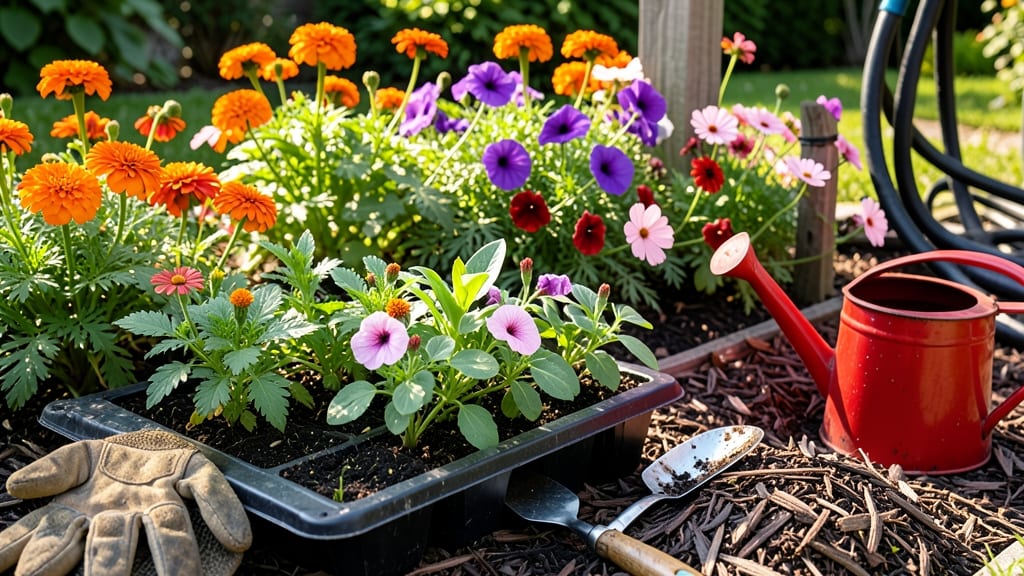
Timing your annuals planting in CT can mean the difference between a vibrant summer garden and a sad pile of frost-nipped seedlings. Connecticut’s unpredictable spring weather makes getting the dates right absolutely critical—especially when you’ve got 60-90 days to go from seed to harvest for many varieties.
Most gardeners in USDA Zones 5-7 wait until after the last frost, but that’s not always the full story. Coastal areas like New Haven might be safe by May 10th, while inland spots near Hartford could still see late frosts through May 25th.
Even within the same town, urban heat islands can create microclimates where you might plant 2 weeks earlier than your neighbor.
I’ve tested the best strategies for Connecticut’s short growing season—from heat-loving marigolds to cold-tolerant pansies—and I’ll show you exactly when to put each in the ground. Whether you’re growing basil for your kitchen or petunias for your porch, these timing tips will help you avoid common mistakes.
Ready to transform your garden? Let’s break down the perfect planting windows for every microclimate in Connecticut, plus how to adjust for late frosts or early heat waves. Your summer blooms (and dinner table) will thank you!
CT frost-free dates by microclimate zone: when to plant annuals safely
Connecticut’s microclimate zones create dramatic differences in last frost dates, which means your Hartford garden might be ready for tomatoes weeks before Litchfield County. Understanding these zones helps you time your annual plantings perfectly for blooms and harvests.
CT spans USDA zones 5-7, but elevation, proximity to water, and urban heat islands create 6 distinct planting windows. Coastal areas like New London often see frost-free soil by April 15, while highland regions like Torrington may wait until May 15.
These variations matter for warm-season annuals like peppers and cool-season crops like spinach.
| Zone | Avg Last Frost | Warm-Season Planting | Cool-Season Planting |
|---|---|---|---|
| Coastal (New London, Groton) | April 15 | April 20-May 10 | March 15-April 10 |
| Inland Lowland (Hartford, New Haven) | April 25 | May 1-May 15 | March 20-April 15 |
| Urban Heat (Bridgeport, Stamford) | April 20 | April 25-May 5 | March 20-April 10 |
| Valley (Danbury, Waterbury) | May 5 | May 10-May 20 | March 25-April 20 |
| Highland (Torrington, Litchfield) | May 15 | May 20-May 30 | April 1-April 25 |
For warm-season annuals like tomatoes and marigolds, wait until the soil temperature reaches 60°F—a critical threshold for seed germination. Use a soil thermometer to confirm readiness, especially in highland zones where cooler soils delay planting.
My personal trick? Plant fast-growing annuals like basil and zinnias in biodegradable pots two weeks before your zone’s last frost date. This gives them a head start, and you can transplant them after the frost risk passes without disturbing their roots.
Don’t forget cool-season annuals like pansies and lettuce—they thrive in CT’s spring and fall when temperatures hover between 40°F and 75°F. These can often be planted 4-6 weeks before your last frost date for early blooms.
Pro tip: Bookmark the CT Agricultural Experiment Station’s frost date calculator (ct.gov/caes) for real-time updates. It adjusts for year-to-year variations and helps you avoid late-spring surprises that can wipe out tender seedlings.
If you’re unsure about your specific microclimate, observe your neighbors’ gardens. Urban heat islands in cities like Hartford can push frost dates 2-3 weeks earlier than rural areas just 10 miles away. Adjust your planting schedule accordingly.
For container gardening, you can often plant 2-3 weeks earlier than in-ground plantings because containers warm up faster. Just ensure they have drainage holes and use heat-retentive fabrics like black plastic mulch to speed up soil warming.
Finally, keep a planting journal to track your success. Note which annual varieties thrive in your zone and which struggle. Over time, you’ll refine your planting windows to match your unique microclimate—leading to longer blooms and bigger harvests every season. 🌱
How to adjust planting times for CT’s unpredictable spring weather
Connecticut’s spring weather can be as unpredictable as a New England nor’easter. One week you’re planting tomatoes, the next you’re scrambling to cover them with frost cloth. The key to success? Flexible planting strategies that account for late frosts, soil temperature swings, and microclimates.
I’ve learned to adjust planting windows using row covers, heat-tolerant varieties, and backup dates—here’s how.
Start by monitoring soil temperatures, not air temperatures. Most warm-season annuals like peppers and basil need soil to stay above 60°F for consistent growth. Use a soil thermometer—trust me, your guess is likely wrong.
If your soil is cold but air is warm, delay planting or use black plastic mulch to warm it faster.
For cool-season crops like lettuce or spinach, sow seeds 4-6 weeks before your average last frost date. This gives them time to mature before summer heat sets in.
In CT, that’s typically mid-April to early May, but coastal areas (like New London) can plant 2 weeks earlier thanks to moderating ocean breezes.
🌱 CT Planting Adjustments
- 📅 Late Frost Risk: Wait until May 15 for tomatoes in inland zones (e.g., Hartford). Use row covers if planting earlier.
- 🌡️ Cold Soil: Warm soil with black plastic mulch 1-2 weeks before planting heat-lovers like eggplant.
- 🌿 Microclimates: Coastal areas (e.g., Stamford) can plant zinnias by April 20; highlands (e.g., Torrington) wait until May 10.
- 🌱 Backup Dates: Have transplant-ready seedlings on hand for June 1 in case of frost.
- 💧 Watering Trick: Soak seeds/seedlings deeply before a predicted frost to protect roots.
Don’t overlook heat-tolerant varieties like ‘Heatmaster’ tomatoes or ‘Solar Fire’ zinnias, which thrive in CT’s 85°F+ summers. These varieties can handle the July heat that often follows a cool spring. Pair them with drip irrigation to keep roots cool and consistent.
For flowers, prioritize fast-bloomers like cosmos or marigolds, which germinate quickly and tolerate cooler soils. If you’re itching to plant petunias by Memorial Day, start them indoors in April and transplant after the last frost. Pro tip: Pinch back leggy seedlings to encourage bushier growth.
Always have a Plan B. Keep a few seedling trays ready to direct-sow or transplant if late frosts strike. I once lost my basil crop to a May frost—until I learned to keep backup seedlings on my windowsill. Now, I’m always prepared for Mother Nature’s surprises.