
Planting
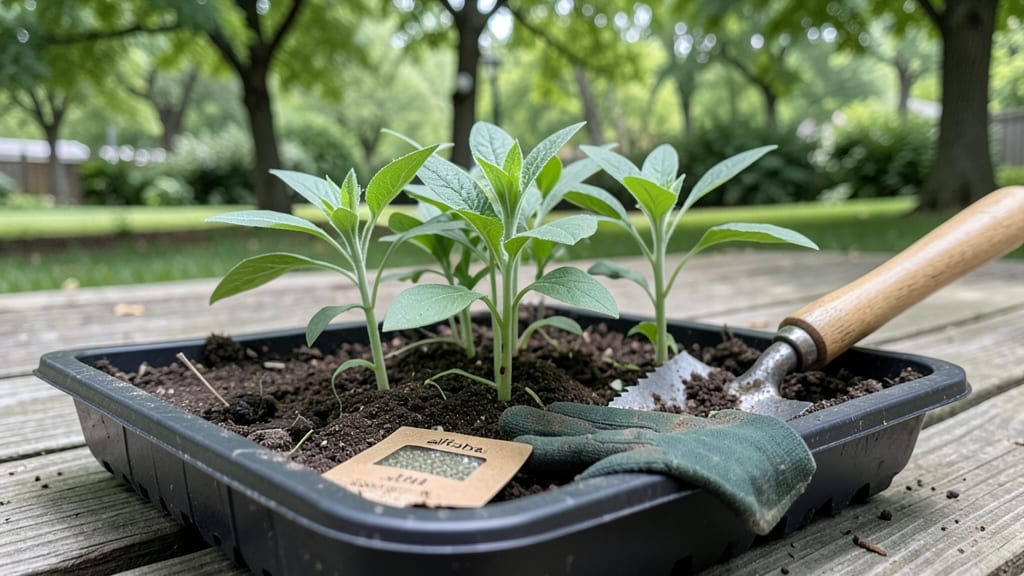
Timing your fall alfalfa planting correctly isn’t just about avoiding frost—it’s about giving those little 🌱 seeds the perfect head start for next year’s harvest. Get it wrong, and you’ll end up with weak, stunted plants struggling to survive winter.
But nail the window, and you’ll set the stage for a lush, drought-resistant crop that’ll reward you with bountiful yields.
Most gardeners in USDA Zone 6a (and beyond) swear by planting alfalfa 4-6 weeks before the first frost, typically between late August and early September. This gives roots time to establish before temperatures drop, ensuring your crop makes it through winter strong.
But here’s the catch: regional differences matter—what works in cooler northern climates might be too early for milder southern areas.
I’ve tested this myself, and the key is watching soil temperatures and local frost dates. If you’re in a hurry, you can push the timeline slightly with cold-hardy varieties or protective covers—but rushing too much risks seedling damage.
Let me walk you through the exact timing, soil prep, and care tips to guarantee your alfalfa thrives from fall straight through to spring.
Ready to transform your garden into a high-yielding alfalfa powerhouse? The secret starts now—with the right planting strategy. Let’s dive into the details so you can plant with confidence and harvest like a pro.
Optimal fall planting windows for alfalfa by US hardiness zones
Timing your alfalfa planting in the fall hinges on two critical factors: your USDA hardiness zone and your first frost date. Alfalfa needs 4-6 weeks of warm soil (above 45°F) to establish roots before winter dormancy.
Plant too early, and seedlings may bolt; too late, and frost will kill tender sprouts. Let’s break down the ideal planting windows by zone to ensure your crop thrives.
For most gardeners in USDA zones 5-8, the sweet spot is late August to early September. This gives alfalfa enough time to germinate and develop a 2-3 inch root system before temperatures dip.
In warmer zones (9-11), you can extend planting until mid-October, as frost arrives later. Northern growers in zones 3-4 should aim for early August to avoid early frosts.
Here’s how to find your local frost dates: Check the USDA Plant Hardiness Zone Map (or use tools like the Old Farmer’s Almanac), then count backward 4-6 weeks. For example, if your first frost is October 15, plant by September 1.
Pro tip: Use a soil thermometer to confirm temperatures are consistently above 45°F—alfalfa seeds won’t germinate in cold soil.
Regional adjustments matter. In the Pacific Northwest, cooler soils may delay planting until mid-September, while the Southeast can push dates to early November. High-altitude areas (e.g., Colorado mountains) need earlier starts (July-August) due to shorter growing seasons. Always prioritize soil warmth over calendar dates.
| USDA Zone | First Frost Date | Ideal Planting Window | Soil Temp Threshold | Notes |
|---|---|---|---|---|
| 3-4 | Late September | Early August | 45°F+ | Use row covers for late starts |
| 5-6 | Mid-October | Late August | 45°F+ | Best for forage production |
| 7-8 | Early December | Late September | 50°F+ | Extend to early November |
| 9-11 | Mid-January | October | 55°F+ | Winter-hardy varieties thrive |
Alfalfa’s root development is your top priority. Seeds sown too late may not develop taproots deeper than 2 feet, leaving plants vulnerable to winter kill. To test readiness, press your finger into the soil—it should feel warm and crumbly down to 4 inches deep.
If it’s still damp or cold, wait 1-2 weeks.
For northern climates, consider cold-hardy varieties like ‘Moapa’ or ‘Ladak,’ which tolerate 20°F without protection. Pair them with straw mulch (3-4 inches) to insulate roots. In southern zones, focus on drought-resistant types like ‘CUF 101’ to handle erratic fall rains.
Always avoid compacted soil, as alfalfa roots need oxygen to grow.
After planting, monitor seedling height. Ideal fall growth targets 4-6 inches before frost. If seedlings stall, thin to 4 inches apart and side-dress with compost to boost nutrients. Remember: a healthy root system in fall = a bountiful spring harvest.
Pro tip: Mark your planting date on a garden calendar and note the soil temperature at sowing. This data helps refine next year’s timing. For example, if your August 15 planting yielded weak sprouts, try September 1 instead—small adjustments make a big difference.
🌱
Optimal fall planting windows for alfalfa by US hardiness zones
Timing your alfalfa seeds for fall planting depends on your USDA hardiness zone and local frost dates. The golden rule? Plant 4-6 weeks before the first frost when soil temperatures stay above 45°F (7°C).
For Zone 6a, that’s typically late August to early September, but zones 3-5 need an earlier start, while zones 7-10 can wait until October.
Alfalfa’s deep roots need time to establish before winter dormancy. In colder zones (3-5), aim for early August to avoid early frosts. Warmer zones (7-10) can plant as late as mid-October, but soil must stay workable.
Always check your local frost dates—a quick online search for your ZIP code will reveal the exact window.
Here’s a quick breakdown by zone to simplify your planning:
| USDA Zone | Ideal Planting Window | Soil Temp Threshold | Notes |
|---|---|---|---|
| 3-5 | Early to mid-August | Above 45°F (7°C) | Use cold-hardy varieties like 'Moapa'. |
| 6a-6b | Late August to early September | Above 50°F (10°C) | Standard varieties work well. |
| 7-10 | Mid-September to October | Above 55°F (13°C) | Later planting reduces winter stress. |
Pro tip: If your soil is slow to warm, use a soil thermometer to confirm temperatures. Alfalfa seeds won’t germinate below 45°F (7°C), so patience pays off.
In my Zone 6a garden, I’ve found that planting in late August gives roots enough time to reach 6-8 inches deep before winter—critical for drought resistance next year.
Once you’ve nailed the timing, focus on well-draining soil and full sun exposure. Alfalfa’s deep taproots thrive in loose, sandy loam, so avoid heavy clay unless amended with compost. After planting, keep the soil moist but not soggy until germination (about 7-14 days at optimal temps).
Don’t overlook mulching—a 2-inch layer of straw or wood chips helps retain moisture and insulate roots. In colder zones, I’ve seen mulch push planting dates back by 1-2 weeks without risking frost damage. Just
With the right timing and care, your fall-planted alfalfa will reward you with lush, nitrogen-rich forage by next summer. The key? Start early enough for root growth, but not so early that seedlings bolt in the heat. Balance is everything—just like my host mother Claudine taught me with that ratatouille! 🌱