
Planting
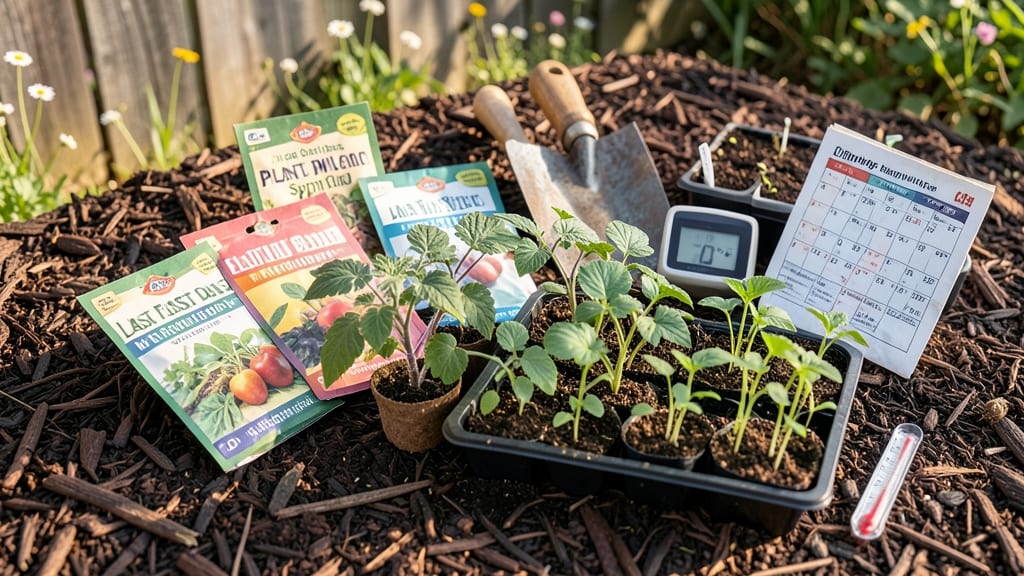
Timing when to plant a vegetable garden in Oklahoma isn’t just about throwing seeds in the dirt—it’s the difference between a bountiful harvest and wilted disappointment. With USDA Zones 6b-8a bringing warm springs, scorching summers, and unpredictable frosts, knowing exactly when to plant can feel like solving a puzzle.
Most gardeners in Oklahoma rush to start too early, only to watch their tender seedlings freeze in late March.
But I’ve cracked the code: cool-season crops like lettuce and peas thrive when planted 4-6 weeks before your last frost, while tomatoes and squash wait patiently until soil hits 60°F—usually late April or early May. The key? Aligning your schedule with Oklahoma’s frost-free timeline.
In this guide, I’ll walk you through the exact planting windows for your favorite veggies, from early spring greens to summer tomatoes, plus how to adjust for Oklahoma’s quirks—like those sneaky late frosts or brutal heatwaves. No more guessing games, just actionable deadlines tailored to your zone.
Ready to turn your Oklahoma soil into a productive garden? Let’s dive into the frost-free schedule that’ll have you harvesting like a pro by summer.
Oklahoma planting zones & frost-free dates by month
Oklahoma’s USDA Hardiness Zones 6b-8a create a unique challenge for gardeners—last frost dates can vary by 10-14 days between western high plains and eastern regions. For example, Tulsa (Zone 7a) typically sees its last frost around March 20-25, while Lawton (Zone 7b) might wait until April 5-10.
This variation means your cool-season crops like spinach or peas need to go in the ground 4-6 weeks before your local last frost date.
To simplify, I’ve broken down frost-free windows by month and zone. Use these as your planting benchmarks, but always check the 10-day rule: If nighttime temps drop below 50°F (10°C) 10 days after planting, your seedlings are at risk.
For warm-season crops like tomatoes and peppers, wait until soil temps hit 60°F (15.5°C)—usually mid-April to early May in most of Oklahoma.
Pro Tip: Oklahoma’s high plains (Zone 6b) often experience late frosts into May, while southeastern Oklahoma (Zone 8a) can safely plant warm-season crops as early as March 15. Always verify your local frost dates using the National Weather Service or Oklahoma State University Extension resources.
Visual Guide: Below is a summary-table of Oklahoma’s frost-free windows by zone, including cool-season and warm-season planting windows. Bookmark this for your garden planning!
| Zone | Last Frost Date | First Frost Date | Cool-Season Planting Window | Warm-Season Planting Window |
|---|---|---|---|---|
| 6b (Western OK) | April 15-20 | November 1-5 | March 1-15 | May 1-15 |
| 7a (Central OK) | March 20-25 | October 31-Nov 5 | February 15-March 10 | April 15-May 1 |
| 7b (Eastern OK) | March 10-15 | November 5-10 | January 15-February 10 | March 20-April 5 |
| 8a (Southeast OK) | February 28-March 5 | November 15-20 | January 1-February 15 | March 1-March 15 |
For Zone 6b gardeners, this means you can start spinach and peas as early as late February under row covers, while Zone 8a growers can plant tomatoes outdoors by March 1.
The key is soil temperature: Use a soil thermometer to confirm 60°F+ for warm-season crops. If your soil is still below 55°F (13°C), wait—seedlings will rot.
Another Oklahoma-specific tip: The Panhandle (Zone 6b) often gets dry winds in spring, which can delay soil warming. If your soil isn’t ready by April 15, consider starter pots or a cold frame to jumpstart your tomato and pepper plants indoors until conditions improve.
Don’t forget fall planting! In Zone 7a and warmer, you can sow broccoli, kale, and carrots as late as August 15 for a winter harvest.
Use the 10-week rule: If your crop needs 60+ days to mature, plant it 10 weeks before your first frost date to ensure a harvest before cold sets in.
Finally, succession planting is your secret weapon. In Oklahoma’s short growing season, plant lettuce every 2 weeks from March to August to avoid bolting (going to seed too early). The same goes for bush beans and radishes—short cycles mean continuous harvests all season long.
Ready to dive deeper? Next, we’ll cover the best vegetables to plant in Oklahoma by season, including exact planting dates and succession schedules to maximize your yield. 🌱
Best vegetables to plant in Oklahoma by season (with exact timing)
Oklahoma’s two distinct growing seasons—cool spring/fall and hot summer—mean you can grow a year-round vegetable garden with the right timing. Start with cool-season crops like spinach and peas in early spring, then transition to heat-loving tomatoes and peppers after the last frost. Don’t forget succession planting for continuous harvests!
For Zone 7b (central OK), aim to plant cool-season crops 4-6 weeks before the last frost (typically mid-March), while warm-season crops need soil at 60°F+ (usually mid-April to early May). In Zone 6b (northwest OK), push planting dates 1-2 weeks later to avoid late frosts.
Here’s your seasonal planting calendar for Oklahoma’s top 12 vegetables, including succession planting tips to maximize your harvest. Pro tip: Use row covers to extend cool-season growing into early spring or late fall!
🌱 Peas, Spinach, Lettuce, Kale, Onions – Sow seeds 4-6 weeks before last frost (Zone 7b: Feb 15–March 1). Use row covers for frost protection.
🌱 Radishes, Carrots, Beets, Broccoli, Cabbage – Plant 2-3 weeks before last frost (Zone 7b: March 15–April 1). Succession plant lettuce every 2 weeks for continuous harvests.
☀️ Tomatoes, Peppers, Eggplants, Cucumbers, Green Beans – Wait until soil reaches 60°F+ (Zone 7b: April 15–May 1). Use mulch to retain moisture.
🌿 Okra, Southern Peas, Sweet Potatoes, Basil – Plant after June 1 to avoid heat stress. Succession plant green beans every 2 weeks for fall harvests.
🍂 Kale, Spinach, Turnips, Radishes, Arugula – Sow seeds 8–10 weeks before first frost (Zone 7b: Aug 15–Sept 1). Protect with row covers for extended harvests.
🥕 Garlic, Winter Squash, Brussels Sprouts – Plant garlic in October for next year’s harvest. Succession plant lettuce until Oct 15 for winter greens.
For Zone 8a (southeast OK), you can push warm-season crops slightly earlier (e.g., tomatoes by March 15) and cool-season crops later into fall. Always check your local frost dates—Oklahoma’s microclimates can vary by 10+ days between regions!
Pro tip: Use succession planting for fast-growing crops like lettuce, radishes, and green beans. Sow new seeds every 2–3 weeks to ensure a steady supply. And don’t forget container gardening for small spaces—bush beans and cherry tomatoes thrive in pots!