
Planting
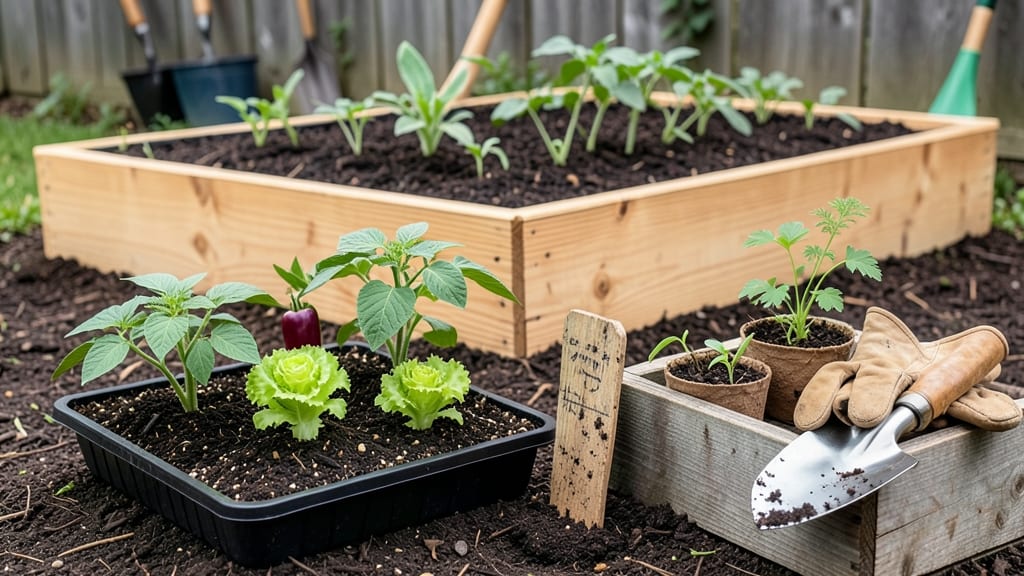
Timing your garden planting in Pennsylvania isn't one-size-fits-all—get it wrong, and your 🌱 seedlings could face a frosty fate or bolt too fast. The Keystone State’s shifting microclimates mean Philadelphia’s urban heat islands behave differently than the Poconos’ chilly valleys, and those zone 5-7B deadlines aren’t just suggestions.
I’ve spent years tracking frost dates and soil temps across PA, and the secret to a thriving garden lies in knowing exactly when to plant—whether you’re sowing spinach in April or tomatoes after Memorial Day. Miss the window, and you’ll watch your hard work wilt before it even begins.
What you’ll discover here are the precise planting schedules tailored to your corner of PA, from Pittsburgh’s last-frost averages to the lake-effect cooling near Erie. We’ll also cover how to stretch your growing season with row covers and when to avoid the “false spring” trap that catches even experienced gardeners.
Ready to turn your backyard into a productive oasis? Let’s dive into the microclimate-specific rules that’ll have your garden flourishing from spring to fall—without the guesswork.
Pennsylvania planting deadlines by zone (5-7B) and crop type
Pennsylvania spans USDA Hardiness Zones 5b through 7b, meaning your planting schedule should shift depending on whether you're in Erie's cooler zone 5b or Philadelphia's warmer zone 7a. The last average frost date varies dramatically—from April 15th in Pittsburgh to May 1st in Lancaster.
For accurate timing, check your local Penn State Extension frost maps or use a soil thermometer to confirm readiness.
Cool-season crops like spinach, peas, and lettuce thrive when planted 4-6 weeks before your last frost. In zone 5b, that’s mid-March to early April, while zone 7a gardeners can start as late as mid-April.
Warm-season crops such as tomatoes, peppers, and cucumbers need soil temperatures above 60°F, typically after May 15th in most regions.
Here’s how to align your planting with Pennsylvania’s microclimate realities. Use this table as your garden’s roadmap—adjust dates based on your specific location and elevation.
| Crop Type | Zone 5b (Erie, Poconos) | Zone 6a (Pittsburgh, Harrisburg) | Zone 7a (Philadelphia, Lancaster) | Soil Temp Threshold |
|---|---|---|---|---|
| Cool-Season Crops (Spinach, Peas, Lettuce) | March 15–April 1 | March 25–April 10 | April 5–April 20 | 40–50°F |
| Warm-Season Crops (Tomatoes, Peppers, Cucumbers) | May 15–May 30 | May 1–May 15 | April 20–May 5 | 60–65°F |
| Perennials (Asparagus, Rhubarb) | Early April | Mid-April | Late March | 50°F |
| Fall Crops (Kale, Radishes, Carrots) | July 15–August 1 | July 1–July 15 | June 20–July 5 | 55–60°F |
*Adjust dates 1–2 weeks earlier for low-lying areas or later for high elevations.
For warm-season crops, timing is critical—planting tomatoes too early in cool soil can stunt growth, while waiting too long risks bolt before fruiting. Use black plastic mulch to warm soil faster in zone 5b, or opt for cold-hardy varieties like 'Stupice' tomatoes if you’re eager to start.
In zone 7a, you can push the envelope with early plantings of peppers by using row covers to protect from late frosts. My Philadelphia garden thrives with bell peppers planted in early April under a lightweight cover, yielding harvests by July 4th—a full month earlier than traditional schedules.
Don’t overlook fall planting, especially for hardy greens. In Pittsburgh’s zone 6a, I’ve successfully grown baby spinach until mid-November by planting in early August. The key? Mulch heavily to insulate roots and choose fast-maturing varieties like 'Tyee' spinach.
Pro tip: Use a garden journal to track your local frost dates over 3–5 years. Pennsylvania’s climate shifts yearly—what worked in 2022’s mild spring may fail in 2023’s late frost.
My Erie garden lost half its lettuce in 2020 after a May 10th frost, but adjusting to late-April plantings in 2021 saved the season.
For per
How to adjust planting times for Pennsylvania’s microclimates
Pennsylvania’s landscape isn’t just a patchwork of USDA zones 5-7B—it’s a tapestry of microclimates where a single county can shift from urban heat islands to mountain frost pockets. In Philadelphia, sidewalks can bake at 90°F while nearby parks stay 10° cooler.
Meanwhile, the Poconos might still see frost in late May when Erie’s lakeshore warms up by early April.
Understanding these shifts lets you extend your growing season by 3-4 weeks—without risking frost damage. The key? Adjusting your planting timeline based on local topography, water bodies, and even building density.
For example, Pittsburgh’s North Side often warms 2 weeks earlier than its South Hills due to urban sprawl, while Lancaster’s Amish Country clings to cooler zone 6 pockets.
Here’s how to fine-tune your schedule for Pennsylvania’s most common microclimates—plus the tools to outsmart Mother Nature:
Don’t let these microclimates intimidate you—tools like soil thermometers ($15 at garden centers) and frost date trackers (try the Old Farmer’s Almanac app) turn guesswork into precision.
For instance, if your soil hits 60°F by mid-April (common in zone 7B pockets), you can safely direct-sow beans and peas—but hold off in zone 5B until May 1st.
Pro tip: Cold frames or low tunnels (DIY with PVC pipes and row cover) can add 4-6 weeks to your spring planting window. I’ve used them to start broccoli and cabbage in March for a June harvest—something impossible without protection in northern PA.
Just remove covers by late May to avoid heat buildup.
Finally, embrace succession planting to hedge your bets. Instead of sowing all your lettuce at once in April, stagger plantings every 2 weeks until July. This ensures a continuous harvest and minimizes losses if a late frost hits one batch.
In my Pittsburgh garden, this strategy kept me eating fresh salad greens from May to October—no gaps, no waste.