
Plants
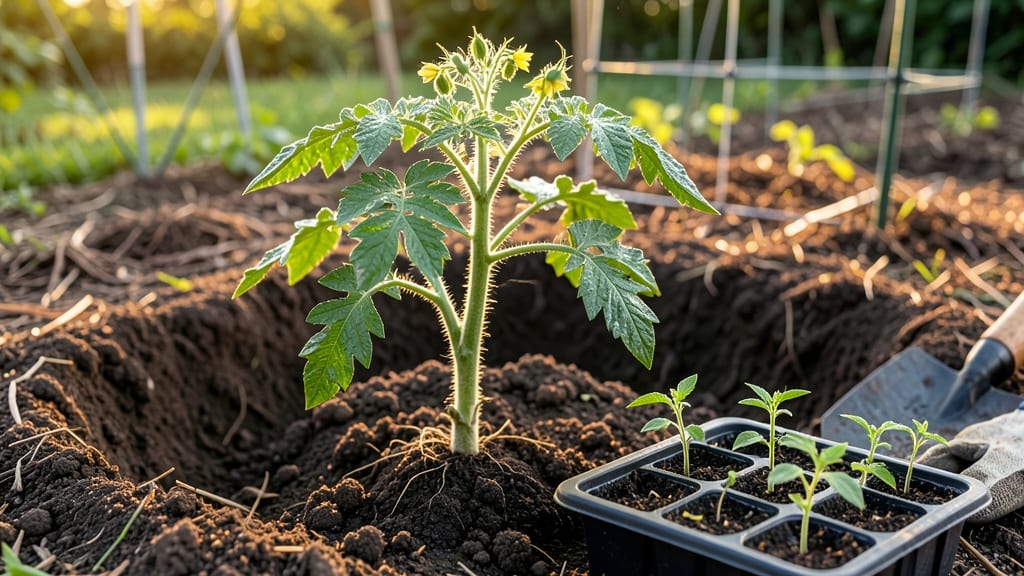
When is the best time to plant tomatoes in Tennessee? Timing your 🍅 plantings in Tennessee isn’t just about waiting for spring—it’s about outsmarting the state’s unpredictable microclimates, where a single week can mean the difference between a bumper crop and a sad, frost-nipped failure.
Most gardeners in zones 6a-7b assume they can plant after the last frost, but that’s only half the story. The real secret lies in soil temperature, nighttime warmth, and even which side of the state you’re in—East Tennessee’s cooler mountains demand a different approach than West Tennessee’s longer growing season.
I’ve crunched the data on frost dates, soil thermometers, and neighborly advice to give you the exact windows for starting seeds indoors, transplanting outdoors, and even salvaging late-season plantings. Skip the guesswork and learn how to align your tomato schedule with Tennessee’s quirks.
Ready to transform your garden from “meh” to “mind-blowing”? Let’s dive into the science—and the shortcuts—that’ll have your plants thriving from mid-April to October.
Tennessee tomato planting calendar by USDA hardiness zones 6b-8a
Tennessee spans USDA Zones 6b through 8a, meaning frost dates vary dramatically—from late April in Memphis (Zone 8a) to early May in the Smoky Mountains (Zone 6b).
To nail your tomato planting, focus on two key metrics: soil temperature (must hit 60°F+) and nighttime lows (must stay above 50°F). Planting too soon risks frost damage, while waiting too long cuts your harvest window.
For Zone 6b (East Tennessee mountains), aim for mid-May after the last frost, while Zone 8a (West Tennessee) can start as early as late March under row covers.
The difference? Up to 6 weeks in planting timing across the state. Use this calendar to pinpoint your exact window based on elevation and microclimate.
| Zone | Last Frost Date | Ideal Planting Window | Soil Temp Threshold | Transplant Deadline |
|---|---|---|---|---|
| 6b (e.g., Knoxville) | Mid-April | Mid-May to early June | 60°F+ | June 15 (late varieties) |
| 7a (e.g., Nashville) | Early April | Late April to mid-May | 60°F+ | May 31 |
| 7b (e.g., Chattanooga) | Late March | Early April to late May | 60°F+ | June 10 |
| 8a (e.g., Memphis) | Mid-February | Late March to early May | 60°F+ | June 1 (extended season) |
Pro tip: Use a soil thermometer to confirm readiness—60°F is non-negotiable for tomato roots to establish. In cooler zones like 6b, start seeds indoors 6-8 weeks before your target transplant date (early March) to beat the clock.
For Zone 8a, you can even try fall planting (late July) for a second harvest before frost.
If you’re in a transitional zone (like 7a), split your planting: sow early varieties (like 'Early Girl') in late April and late varieties (like 'Celebrity') in early May.
This stretches your harvest from July to October. Just avoid planting after June 15 in most zones—vines won’t mature enough before frost.
For direct sowing (skipping transplants), wait until after May 1 in Zone 6b and after April 15 in Zone 7a+. Seedlings take 70-90 days to fruit, so math it out: 180 frost-free days (Tennessee’s average) minus days to maturity equals your last planting cutoff.
Miss this, and you’ll be picking green tomatoes in October.
One common mistake? Assuming air temperature = soil temperature. On a 55°F morning, soil might still be 45°F—too cold for tomatoes. Use black plastic mulch or straw to warm soil faster in early spring. In Zone 6b, this can shave 1-2 weeks off your planting timeline.
Remember: Tomatoes hate cold feet. If nighttime temps dip below 50°F after planting, use row covers or cloches to protect young plants. Without this, your first flowers may drop off, delaying fruit production by 2-3 weeks.
In Zone 8a, you can often skip covers entirely, but Zone 6b gardeners should keep them handy until June 1.
Finally, track your local first frost date—not the average. In 2022, Nashville’s frost came 2 weeks later than the 30-year average. Use Almanac’s Frost Calculator (free online) to input your ZIP code for real-time data. This ensures you’re planting based on current trends, not outdated norms.
🌱
How to adjust planting dates for Tennessee’s microclimates (mountains vs. valleys)
Tennessee’s geography creates dramatic differences in growing seasons—think 300-foot elevation changes between Nashville’s valleys and the Smoky Mountains. These shifts can delay or extend your tomato planting window by 2-4 weeks, so one-size-fits-all advice won’t cut it.
Let’s break down how to adapt your schedule whether you’re gardening in East Tennessee’s chilly highlands or West Tennessee’s long, hot summers.
In East Tennessee (zones 6b-7a), like in the Great Smoky Mountains, last spring frosts linger until mid-to-late May in higher elevations (2,000+ ft). Meanwhile, West Tennessee (zone 7b-8a), including Memphis and Jackson, typically sees its last frost by mid-April.
That’s a 6-week difference—enough to shift your entire planting strategy.
Here’s how I adjust my timing based on where I garden: In cooler mountain areas, I start seeds indoors by late February and use row covers to protect transplants until late May.
In warmer valleys, I often direct-sow seeds after April 15 without needing extra protection. The key is matching your method to your microclimate’s soil warmth and frost risk.
| Region | Last Frost Date | Ideal Planting Window | Key Adjustment |
|---|---|---|---|
| East Tennessee (6b-7a) | Mid-to-late May | Late April–early June (with row covers) | Start seeds indoors by late February; use cold frames |
| Middle Tennessee (7a-7b) | Early-to-mid April | Mid-April–early May | Direct-sow after soil hits 60°F; avoid early May plantings if nights dip below 50°F |
| West Tennessee (7b-8a) | Mid-April | Late March–early April (early varieties) | Push early starts with black plastic mulch; consider late July plantings for fall harvests |
For gardeners in transition zones like Nashville or Chattanooga, I recommend checking your local cooperative extension office for precise frost data—your neighborhood could be 2-3 weeks different from the regional average.
A simple soil thermometer ($15 at garden centers) will tell you when your soil is truly ready, regardless of the calendar.
Pro tip: If you’re in a cooler microclimate and miss the spring window, don’t despair—late July plantings can still yield tomatoes before frost. Just choose fast-maturing varieties like ‘Early Girl’ (60 days) or ‘Stupice’ (70 days) and use black plastic mulch to warm the soil faster.
I’ve had great success with this method in the Smokies!
Remember, the goal isn’t just to plant at the “right” time—it’s to maximize your growing season. Whether you’re extending spring with row covers or squeezing in a fall crop, Tennessee’s microclimates offer flexibility if you’re willing to adapt.
Grab your calendar and adjust those dates—your tomatoes will thank you with bigger, sweeter harvests all season long. 🌱