
Plants
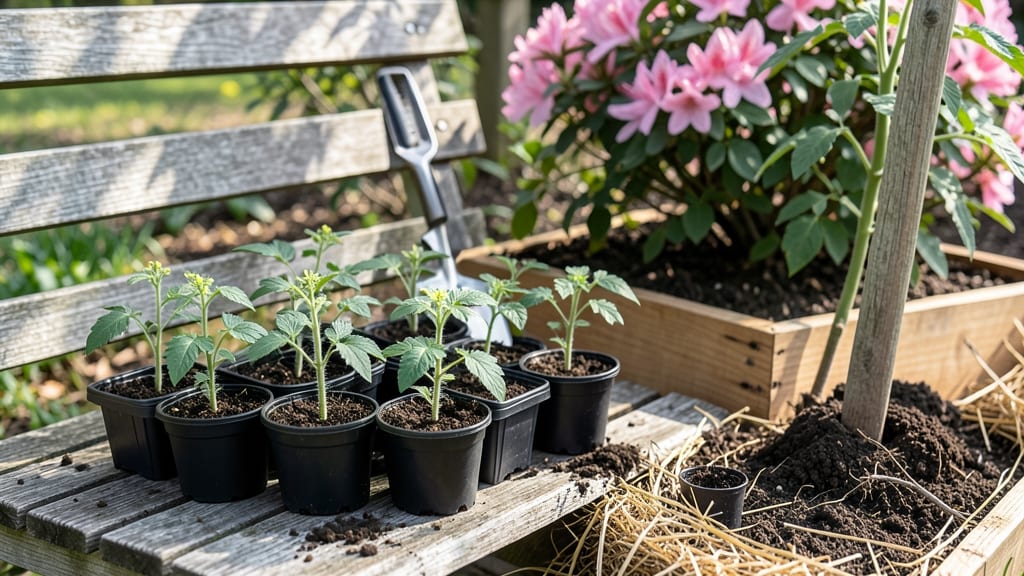
The best time to plant tomatoes in Georgia isn’t just about avoiding frost—it’s about syncing your harvest with the state’s heat zones to get the juiciest, most productive 🍅 plants possible.
With Georgia’s 7b-8b climate, you’ve got two prime windows: spring (mid-March to early May) and fall (late July to early August), each with its own tricks to beat the heat and pests.
Why does timing matter so much? Because planting too early risks frost damage, while waiting too long means your tomatoes struggle in peak summer heat. I’ve tested both windows myself, and the difference in yield and flavor is night and day—especially when you factor in soil temperatures and variety selection.
In this guide, I’ll break down the exact weeks to plant for maximum success, whether you’re starting from seedlings or transplants. You’ll also learn how to adjust for Georgia’s microclimates, from the cooler Appalachian foothills to the sweltering Atlanta suburbs.
Ready to grow tomatoes that burst with flavor instead of fighting the clock? Let’s dive into the heat-zone timeline that’ll transform your garden this season.
Georgia’s heat-Zone planting calendar: exact weeks for transplanting tomatoes
Georgia’s USDA hardiness zones 7a–8b create a unique challenge for tomato growers—plant too early, and frost zaps your seedlings. Too late, and your plants bolt in the summer heat.
The sweet spot? Transplanting after soil warms to 60°F and all frost risk has passed, which typically lands between mid-April and early May for most regions.
But here’s the secret: Georgia gardeners can actually double their harvest by planting twice—once in spring and again in late summer for a fall crop. The key is understanding your local frost-free dates and adjusting for heat waves that can stress young plants.
Pro Tip: Use a soil thermometer to confirm readiness—cold soil delays growth, even if air temps are warm. In Zone 7a (north GA), aim for April 15–May 1. In Zone 8b (south GA), you can push to May 1–15 safely.
For fall plantings, the window closes faster—aim to transplant 8–10 weeks before your first frost (typically November 15). In Zone 7a, that’s late July to early August.
In Zone 8b, you can stretch to early September, but watch for hurricane warnings that can delay harvests.
Urban gardeners in Atlanta (Zone 7b) often face microclimates—sidewalks and buildings trap heat, so soil warms faster. Test your spot with a soil thermometer for 3 consecutive days before planting. If your soil hits 60°F by April 15, you’re good to go!
One common mistake is rushing to plant seedlings from nurseries too early. Even if the air feels warm, cold soil stunts roots and makes plants vulnerable to verticillium wilt. Harden off seedlings for 7–10 days before transplanting, and use row covers if nights dip below 50°F.
Remember: Heat-tolerant varieties like ‘Solar Fire’ or ‘Heatmaster’ can handle Georgia’s summer better, but timing still matters. Plant too late, and your tomatoes won’t ripen before frost—or worse, they’ll split from sudden rains in September.
🌱
Georgia’s heat-Zone planting calendar: exact weeks for transplanting tomatoes
Georgia’s USDA zones 7b–8b give you two golden windows for planting tomatoes: spring and fall. The key is planting when soil temperatures hit 60°F+ and all frost risk has passed.
For most of Georgia, that means mid-March to early May for spring plantings and late July to early August for fall harvests.
Why these windows? Spring plantings avoid frost while giving tomatoes time to mature before summer’s peak heat. Fall plantings escape the worst of the heat and produce sweeter fruit as temperatures cool.
I’ve found that planting too early risks cold soil stress, while waiting too long means your plants wilt under 90°F+ conditions.
Here’s the exact timeline broken down by Georgia’s regions, including soil temperature thresholds and heat-wave risks:
| Region | Spring Planting Window | Soil Temp Threshold | Fall Planting Window | Heat Risk |
|---|---|---|---|---|
| North GA (Zone 7a) | Late April - Early May | 60°F+ | Early August | Moderate (cooler nights) |
| Central GA (Zone 7b) | Mid-April - Late April | 60°F+ | Late July - Early August | High (summer heat) |
| South GA (Zone 8a-8b) | Early March - Mid-March | 65°F+ | Mid-July - Late July | Very High (humidity + heat) |
| Atlanta Metro | Early April - Mid-April | 62°F+ | Late July | High (urban heat island) |
Pro tip: Use a soil thermometer to confirm temperatures before planting. If your soil is still below 60°F, wait—cold soil slows root growth and makes seedlings vulnerable to disease. In South Georgia, where heat arrives earlier, I recommend planting heat-tolerant varieties like ‘Solar Fire’ or ‘Heatmaster’ to avoid wilting.
For fall plantings, aim to harvest before the first frost (typically mid-November in North Georgia). If you’re in Zone 8b, you might even squeeze in a late fall harvest by planting in early September. Just be prepared to protect seedlings with row covers if a cold snap hits.
Remember: Georgia’s humidity and heat waves can turn your garden into a disease hotspot. That’s why I always pair my planting schedule with mulching and pruning to keep plants healthy. Next, we’ll dive into the 5 critical factors that’ll make or break your tomato success—beyond just the calendar.