
Plants
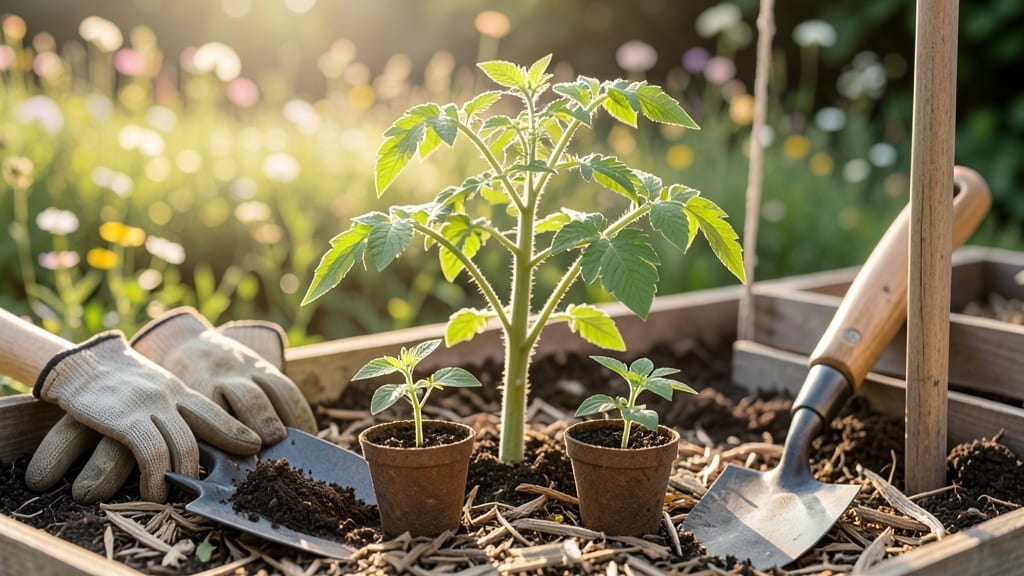
If you’ve ever wondered when is the best time to plant tomatoes in California, you’re not alone—especially when those early frosts or blazing summer heat can turn your hard work into a sad, withered plant.
The ideal planting window varies wildly across the state, from the frost-prone valleys of Northern California to the desert-like warmth of Southern regions, where coastal breezes and inland heat create microclimates that defy simple rules.
From the Bay Area’s chilly mornings to the Central Coast’s Mediterranean climate and the Inland Empire’s scorching summers, timing your tomato planting can make the difference between a thriving harvest and a failed crop.
I’ve pored over data from UC Master Gardener programs and CalPoly horticulture experts to break down the exact planting windows tailored to your corner of California—whether you’re dealing with late frosts, urban heat islands, or elevation shifts.
You’ll learn how to read frost risk maps, adjust for local conditions, and even work around heat spikes to get your tomatoes in the ground at the perfect moment. No more guesswork—just science-backed deadlines so you can plant with confidence and watch those vines flourish all season long.
Ready to turn your tomato dreams into a bountiful harvest? Let’s dive into the specifics so you can grow like a pro.
California tomato planting deadlines by microclimate Zone (with frost risk maps)
California’s diverse climates create wildly different tomato planting windows—what’s perfect in Southern California can spell disaster in the Sierra Foothills. The key? Understanding your last frost date and soil temperature thresholds.
Most tomato varieties thrive when soil reaches 60°F (15°C), but heat-tolerant varieties can handle up to 90°F (32°C) once established.
Northern California’s coastal regions (like San Francisco) have later frost risks than inland valleys (Sacramento), while Southern California’s desert zones (Palm Springs) can plant tomatoes in February without frost worries. Let’s break down the exact windows for your area—plus which varieties to choose for each microclimate.
🌱 PRO TIP: Use the UC Master Gardener frost maps (linked below) to pinpoint your exact last-frost date. Coastal areas often see frost until April 15, while inland valleys may be frost-free by March 1.
Notice how Southern California can plant tomatoes 3 months earlier than Northern regions? That’s why choosing the right variety matters—heat-tolerant types like 'Heatmaster' thrive in desert climates, while 'Stupice' handles cooler high-elevation soils.
Always check your local USDA Hardiness Zone (California ranges from Zone 5 in mountains to Zone 11 in deserts) for extra precision.
For fall planting (a common strategy in Southern California), aim for August 1–September 1 so tomatoes mature before first frost. Use shade cloth if daytime temps exceed 95°F (35°C) to prevent sunscald.
In Northern zones, fall plantings are rare due to early frost, but container gardening can extend the season by 2–3 weeks.
🌡️ SOIL TEMP CHECK: Use a soil thermometer ($10 at garden centers) to confirm readiness. If your soil is below 55°F (13°C), wait—cold soil stunts root growth. In urban heat islands (like downtown LA), soil may warm 2–3 weeks earlier than rural areas, so adjust accordingly.
Pro tip: Direct-sow seeds in warmer regions (Southern CA) for faster germination, but transplant seedlings in cooler zones (Northern CA) to avoid transplant shock. Seedlings need 5–6 weeks of indoor growing time before outdoor planting, so time your indoor starts to match your region’s window.
📅 REMINDER: Set a planting calendar alert for your region’s deadline
How to adjust planting time for your local conditions (soil, elevation, urban heat islands)
California’s microclimates can turn a neighbor’s successful tomato harvest into your own gardening disaster if you don’t account for local quirks.
Whether you’re gardening in a high-elevation pocket of the Sierra Foothills, a urban heat island in downtown L.A., or a coastal fog belt near San Francisco, these conditions demand adjustments to standard planting timelines.
I’ve gardened in all three scenarios—and trust me, ignoring them means risking stunted growth, blossom drop, or even plant death.
Let’s start with soil temperature, the single most critical factor after frost dates. Tomatoes need soil that’s at least 60°F (15°C) before planting.
In cooler regions like the Central Coast, you might need to use black plastic mulch or row covers to warm the soil 2-3 weeks earlier than the calendar suggests.
Meanwhile, in inland areas like the San Joaquin Valley, soil can heat up so fast that planting too early risks heat stress before roots establish.
Here’s how to adapt your planting schedule based on your specific conditions:
Don’t overlook moisture management either—especially in Southern California’s dry climates. Drip irrigation or soaker hoses can help maintain consistent soil moisture, which is critical during the first 2-3 weeks after transplanting when roots are establishing.
In contrast, Northern California’s wet winters might require raised beds or mounds to prevent waterlogging, which can stunt root growth.
Pro tip: Keep a gardening journal for at least 2 years to track your local conditions. Note when your soil reaches 60°F, how long it takes for seedlings to thrive, and any unexpected heat waves or late frosts.
This data will become your personal planting calendar—far more accurate than generic guidelines. With these adjustments, you’ll avoid the heartbreak of watching your tomato plants struggle and instead enjoy a bountiful harvest tailored to your unique corner of California.