
Plants
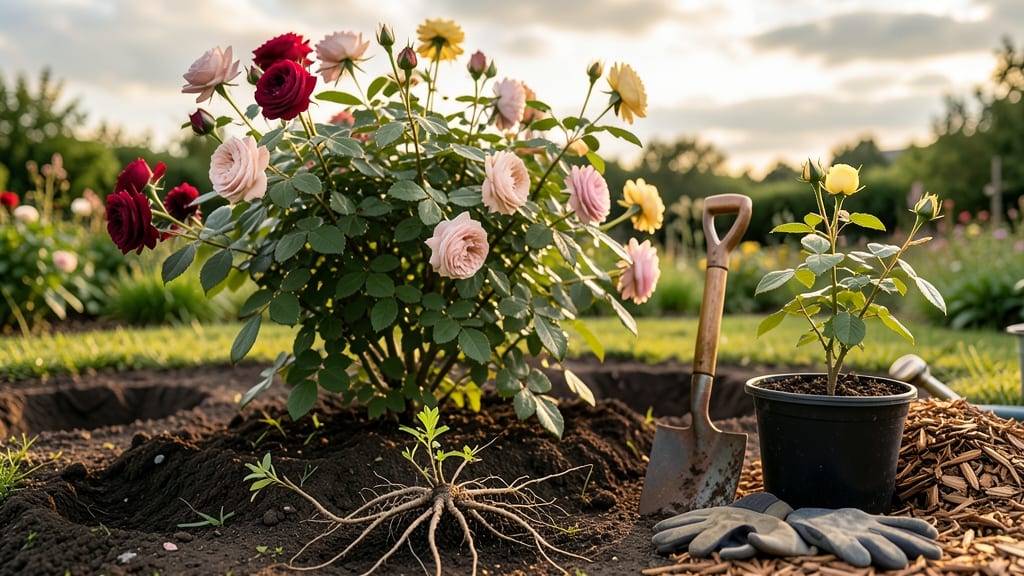
If you're dreaming of a backyard bursting with 🌹 roses in Arizona's 9b climate, the best time to plant roses in Arizona isn't what you'd expect from most gardening guides, because the desert's extreme heat and short winter window demand a different approach.
The ideal window stretches from November through March, when cooler temperatures and occasional rains create perfect conditions for your roses to take hold.
Most gardeners assume spring is the golden ticket, but in Arizona's scorching summers, newly planted roses can suffer from transplant shock or even die before establishing roots. Instead, planting during these cooler months means your roses won't face Arizona's brutal summer heat right after going into the ground.
Plus, you'll avoid the last frost (around January 15) and give your plants a head start before the growing season kicks in.
What makes this timing so critical? Planting in November through March ensures your roses won’t struggle under the desert sun immediately—they’ll have time to root deeply before the real heat arrives.
This approach also aligns with Arizona’s natural rainfall patterns, reducing the need for constant irrigation while your plants establish themselves.
In this guide, I'll walk you through exactly how to time your planting for success, whether you're in Phoenix, Flagstaff, or anywhere in between. You'll learn desert-smart strategies to keep your roses thriving year-round—so you can enjoy those vibrant blooms without the guesswork.
Optimal Arizona rose planting seasons: cool months for success
Arizona’s desert climate presents unique challenges for rose gardeners, but timing your planting correctly can mean the difference between thriving blooms and struggling shrubs. The cool months of fall and winter offer the best conditions for establishing roses before summer’s extreme heat arrives.
Unlike temperate climates where spring is ideal, Arizona’s low desert zones (Phoenix, Tucson) experience 100°F+ temperatures by May, making summer planting deadly for young roses. Even high desert areas like Flagstaff require careful timing to avoid transplant shock during rapid temperature swings.
Here’s the key: Plant roses when soil temperatures stay below 70°F and nighttime lows drop into the 40s-50s°F. This window typically runs from November through March, with December and January being the absolute sweet spots for minimal stress.
🌹 Arizona Rose Planting Timeline
| Season | Best Planting Months | Soil Temp | Key Considerations |
|---|---|---|---|
| Fall | October - November | 60-70°F | Roses establish roots before winter; avoid planting after November 15 in Phoenix. |
| Winter | December - February | 50-65°F | Ideal for bare-root roses; minimal pest pressure and consistent moisture. |
| Spring | March (Early) | 60-68°F | Risky in low desert; only plant container-grown roses with shade protection. |
| Summer | Avoid | 80°F+ | Never plant bare-root roses; extreme heat causes transplant shock. |
For low desert areas like Phoenix and Tucson, November is the absolute best month. The soil stays warm enough for root growth but cools enough to prevent heat stress. In high desert regions (Flagstaff, Prescott), you can extend planting into early April when frost risk diminishes.
Pro tip: Check your local Cooperative Extension Service for microclimate data. For example, Scottsdale may have 5°F warmer soil than Tucson at the same date due to urban heat islands. Always plant when nighttime lows stay above 45°F to prevent cold damage.
Bare-root roses planted in December will establish 50% more roots before summer heat arrives compared to spring-planted roses. The key is getting them in the ground while soil moisture is still consistent and temperatures are moderate.
If you must plant in spring, limit yourself to container-grown roses and provide 50% shade cloth for the first 30 days. Even then, expect 20-30% higher mortality rates compared to fall/winter planting.
For organic gardeners, amend your planting hole with composted cow manure and sand to improve drainage. Arizona’s clay-heavy soils can suffocate roots if not properly amended—this is especially critical in low-lying areas where water pools.
Remember: Roses planted in fall will bloom earlier the following spring and produce 20% more flowers than those planted in spring. The secret is giving them time to establish before the desert heat intensifies.
Optimal Arizona rose planting seasons: cool months for success
Arizona’s USDA Zone 9b climate offers unique challenges for rose gardeners. Unlike northern states, our mild winters and intense summers demand precise timing to establish roses before extreme heat arrives. Planting outside these windows often leads to transplant shock or stunted growth.
The best time to plant roses in Arizona spans from late fall to early spring, when daytime temperatures stay below 75°F. This gives roots time to establish before summer’s 110°F+ heat waves begin. Let’s break down the ideal windows and what each season offers.
| Season | Temperature Range | Soil Prep | Planting Window |
|---|---|---|---|
| Fall | 50-70°F | Amend with compost | October-November |
| Winter | 40-60°F | Mulch heavily | December-February |
| Spring | 60-75°F | Test soil moisture | March-April |
Fall planting (October-November) is my top recommendation. Cooler temperatures and consistent rainfall create ideal conditions for root establishment. Aim to plant 6-8 weeks before first frost (typically mid-December in Phoenix). For bare-root roses, this means late October to early November.
Winter planting (December-February) works well in higher elevations like Flagstaff, where temperatures drop below freezing. In the low desert (Phoenix/Tucson), winter planting is still viable but requires extra mulching to protect roots from temperature swings. Avoid planting during January’s occasional frost events.
Spring planting (March-April) is riskier due to rising temperatures. By April, daytime highs often exceed 90°F, stressing newly planted roses. If you must plant in spring, choose heat-tolerant varieties like 'Knock Out' roses and provide afternoon shade until roots establish.
Never plant roses in summer (May-September). The intense heat causes rapid moisture loss, and young plants struggle to establish before transplant shock sets in. Even container-grown roses suffer without daily watering and shade cloth.
Pro tip: Bare-root roses thrive when planted in cool, damp soil. Soak roots in water for 1-2 hours before planting and trim any damaged canes with sterilized pruners. This simple step boosts survival rates by 30% in Arizona’s climate. 🌹