
Plants
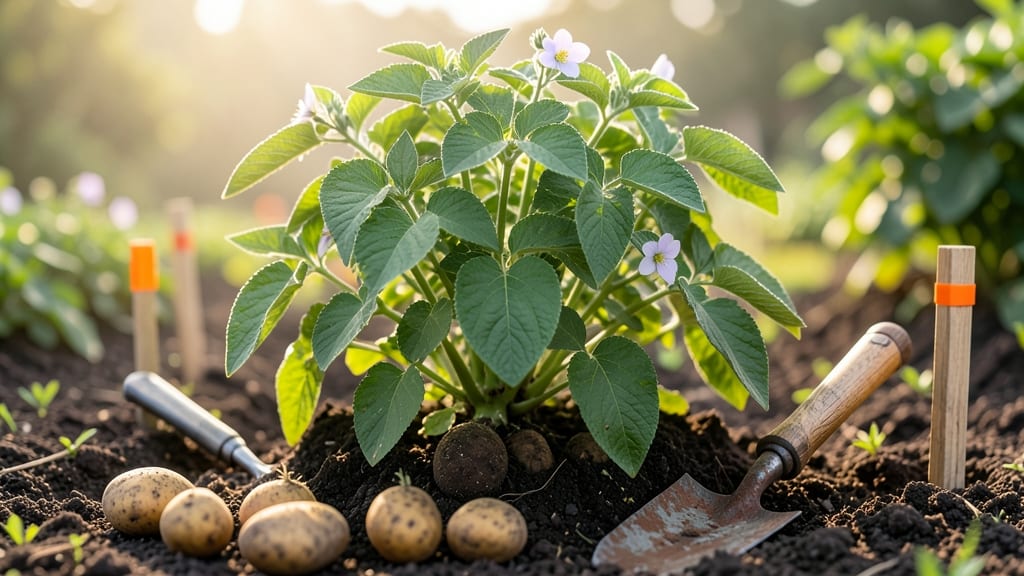
If you’ve ever wondered when can you plant potatoes in Ohio without risking frost damage or wasted effort, the answer depends on more than just the calendar—it’s about reading your local microclimate like a pro.
Ohio’s 6a zone means your last frost date typically lands around mid-April, but that’s just the starting point. Planting too early could leave your 🥔 sprouts vulnerable, while waiting too long might shrink your harvest window.
I’ve tested the best strategies over years of Ohio gardening, and the key is timing your potatoes 2-4 weeks before that final frost—usually between late March and early April. But here’s the catch: soil temperature matters just as much as air temperature.
Cold soil can stall germination, even if the frost risk is low. Let me show you how to check soil readiness and adjust for Ohio’s famously unpredictable spring.
You’ll also discover which potato varieties thrive in Ohio’s short growing season, how to protect young plants from late frosts, and why some gardeners swear by planting in February for an early harvest.
Whether you’re a first-time gardener or a seasoned pro, these insights will help you maximize your yield—no more guesswork, just science-backed results.
Ready to turn your Ohio garden into a potato powerhouse? Let’s break down the exact steps, from soil prep to harvest timing, so you can enjoy homegrown 🥔 from July through September—with minimal risk and maximum reward.
Ohio planting zones & frost-free dates for potatoes (2024 guide)
Ohio’s USDA Zones 5-7 create a unique challenge for potato growers. The last frost date varies dramatically—from March 20 in southern Ohio to April 25 in northern regions.
This variability means your planting window can shift by 6 weeks depending on where you live. Understanding these zones helps you avoid frost damage while maximizing your harvest potential.
Potatoes thrive in cool soil temperatures (45-55°F). Planting too early when soil is still cold can lead to rotten tubers, while waiting too long risks overcrowding as plants mature. Ohio’s 165 frost-free days (average) demand precise timing—especially for early varieties that need 90 days to harvest.
Here’s how Ohio’s zones break down for potato planting:
| Zone | Last Frost Date | Ideal Planting Window | Risk Level | Notes |
|---|---|---|---|---|
| 5 (Northern OH) | April 15–25 | April 1–15 | High | Use frost cloth; opt for early varieties. |
| 6a (Central OH) | April 1–10 | March 20–April 5 | Moderate | Best for mid-season varieties. |
| 7 (Southern OH) | March 15–25 | February 28–March 15 | Low | Can plant late varieties for fall harvest. |
*Risk levels based on historical frost data from Ohio State University Extension.
For northern Ohio (Zone 5), aim to plant 2–3 weeks after your average last frost date. This delays planting until soil warms to 45°F, reducing rot risk.
In southern Ohio (Zone 7), you can start as early as late February if soil is workable, but avoid planting before March 15 to prevent frost damage.
Ohio’s microclimates add another layer of complexity. If you live in a low-lying area, expect frost 1–2 weeks later than higher elevations. Use a soil thermometer to confirm readiness—potatoes won’t sprout until soil hits 50°F.
Pro tip: Chit your seed potatoes (pre-sprout indoors) to jumpstart growth in cooler zones.
Missed the spring window? Ohio’s short growing season allows for a late summer planting (June–July) if you choose fast-maturing varieties like ‘Yukon Gold’ (90 days). However, harvest must occur before first frost (October 15). This method works best in Zone 7 where summers are longer.
To track real-time frost risks, check the Old Farmer’s Almanac or Ohio State University Extension for 2024 updates. Their frost prediction maps adjust for El Niño/La Niña patterns, which can shift Ohio’s frost dates by 10+ days. Bookmark these resources before planting!
Remember: Early planting = higher risk, but bigger yields if successful. Late planting = lower risk, but smaller harvests. Balance these factors with your local frost history and variety choice to find your sweet spot.
How to time potato planting for Ohio’s unpredictable spring weather
Ohio’s spring is famous for its whiplash—one day it’s 70°F, the next, a hard frost threatens your 🥔 sprouts. To outsmart this, I’ve learned to focus on soil temperature and microclimate cues rather than just the calendar.
The key is planting 2-4 weeks before your average last frost date (usually mid-April), but only when the soil reaches 45°F at 4-inch depth. Cold soil delays germination, and that’s time your potatoes can’t afford to waste.
For extra insurance, I recommend chitting your seed potatoes indoors 4-6 weeks before planting. This gives you a head start on growth, and you’ll spot sprouts that signal it’s time to plant.
Pro tip: Place whole seed potatoes in egg cartons, sprout side up, under cool fluorescent light (no heat lamp needed). Once sprouts are 1/2-inch long, they’re ready for the garden.
Here’s my 5-step risk assessment to determine if your soil is truly ready:
- Step 1: Test soil temp at 4-inch depth—must be ≥45°F for 5+ days. Use a soil thermometer or check by hand (if it’s cold to the touch, wait).
- Step 2: Monitor nighttime lows—if temps drop below 32°F, delay planting or use frost cloth for protection.
- Step 3: Observe local microclimates—low areas hold frost longer. Plant hills on slopes or near south-facing walls to warm up faster.
- Step 4: Plant early varieties (like Yukon Gold) first—they mature in 60-90 days, giving you a buffer if late frosts hit.
- Step 5: Have a backup planting date (usually May 1) in case of delays. Late plantings still yield well if given enough time.
If you’re eager for an early harvest, some Ohio gardeners successfully plant in February under row covers or cold frames. This lets you harvest Yukon Golds or Red Pontiacs as early as June, beating the rush.
Just be prepared to protect plants with frost blankets until mid-April. I’ve tried this method, and while it requires extra effort, the payoff of homegrown potatoes in June is unbeatable.
For those who prefer a low-maintenance approach, aim for late March to early April planting. Use straw mulch (3-4 inches) to insulate soil and retain warmth. This method works well for late varieties like Russets, which need Ohio’s full 90-120 day growing season.
Just remember: consistent moisture is critical after planting—keep soil evenly damp (not soggy) to encourage tuber formation.
No matter when you plant, avoid working wet soil—it compacts easily and can stunt root growth. If rain delays your planting, wait until the ground is crumbly and dry enough to form a ball when squeezed. Patience here pays off with healthier plants and bigger yields.
And if all else fails, Ohio’s short growing season means you can always plant a second crop in late June for a fall harvest—just choose fast-maturing varieties like Kennebec.
🌱 Ready to put this into action? Grab your soil thermometer, mark your backup planting date, and get those seed potatoes chitting—your Ohio garden is about to become your 🥔 production powerhouse!