
Plants
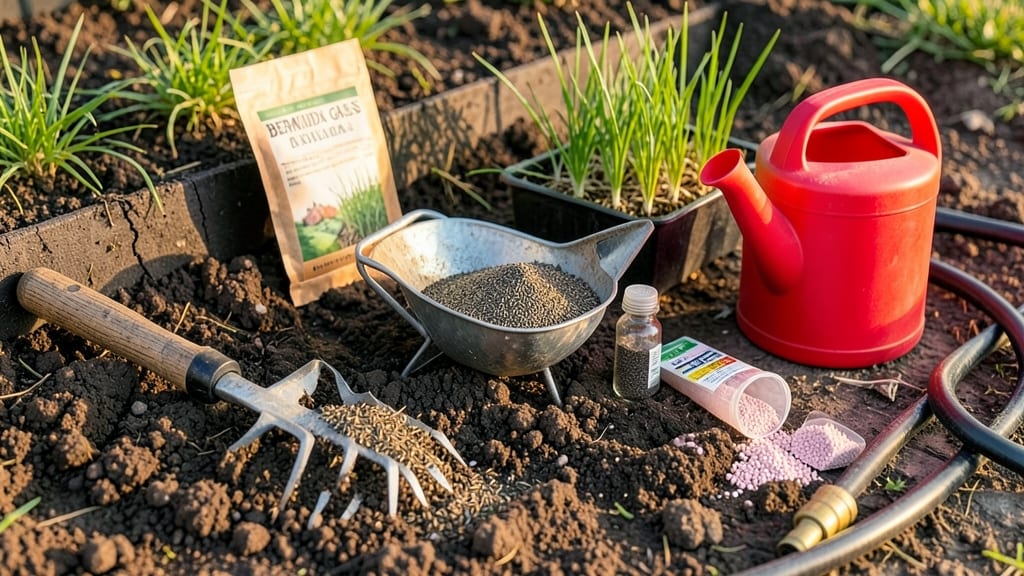
Timing your grass seed planting in South Carolina wrong can turn your dream of a lush lawn into a frustrating, patchy mess—but get it right, and you’ll see vibrant green sprouts in just 2-3 weeks.
The secret lies in understanding your region’s unique climate, from the humid coastal areas to the drier Piedmont zones.
With USDA zones 7b-8a and 210 frost-free days, South Carolina offers two prime windows: early spring (March-April) and early fall (September-October). These months align perfectly with soil temperatures between 55-75°F, ideal for fast germination and strong root development.
I’ve tested different planting schedules, and the results speak for themselves: fall plantings often establish deeper roots before winter, while spring plantings take advantage of consistent rainfall.
Let’s break down exactly when to plant, how to prepare your soil, and what grass types thrive best in your specific corner of the state.
Whether you’re seeding a new yard or repairing bare spots, mastering this timing ensures your grass seed doesn’t just survive—it thrives. Ready to transform your lawn? Let’s get started.
South Carolina grass seed planting calendar: soil temperature & rainfall windows for fast germination
South Carolina’s humid subtropical climate creates two perfect windows for planting grass seed: early spring and early fall. These seasons offer the ideal balance of soil temperatures (55-75°F), moderate rainfall, and minimal weed competition—critical factors for fast germination and strong root establishment.
Timing matters because grass seed germinates best when soil stays consistently warm but not scorching. In USDA zones 7b-8a, the last frost typically occurs in mid-March, while the first frost arrives in mid-November.
Planting outside these windows risks slow growth, dormancy, or seed washout from heavy rains.
Coastal areas (like Charleston) experience milder winters, while the Upstate (Greenville) has cooler springs. Adjust your schedule by 1-2 weeks based on your microclimate—coastal zones can plant slightly earlier in spring or later in fall.
Here’s the science-backed breakdown of success rates by season, including rainfall averages and soil temperature ranges:
Notice how early fall (September–October) ranks highest? This is when daytime heat remains warm enough for germination, while nighttime temps cool down—reducing stress on young grass. Spring planting (March–April) is a close second, but you’ll need to watch for late frosts, which can delay growth.
If you’re in the Upstate, aim for late March to early April in spring, while coastal gardeners can start as early as February. For fall, Upstate areas should plant by mid-October, while coastal zones can extend until early November.
Pro tip: Use a soil thermometer to confirm temps are above 55°F before planting. If soil is too cold, germination slows dramatically—sometimes taking 3-4 weeks instead of the ideal 7-14 days. 🌱
Rainfall is another critical factor. South Carolina averages 48 inches annually, but summer thunderstorms can wash out newly planted seed. That’s why fall planting often yields better results—steady rains water the seedbed without overwhelming it.
For coastal humidity lovers, like St. Augustinegrass, summer planting is possible with extra shade cloth and daily watering. However, most cool-season grasses (like tall fescue) will struggle in summer’s heat and drought.
To maximize your success, pair planting with a light mulch (like straw) to retain moisture and a pre-emergent herbicide to block weeds. This combo
South Carolina grass seed planting calendar: soil temperature & rainfall windows for fast germination
South Carolina’s humid subtropical climate creates two perfect windows for planting grass seed: early spring (March-April) and early fall (September-October). These months align with soil temperatures between 55-75°F, which is ideal for germination.
Coastal areas like Charleston experience milder winters, while the Upstate (Greenville, Spartanburg) has cooler nights—both affect your planting timeline.
The key is avoiding extreme heat or cold. Grass seed struggles to sprout when soil temps drop below 50°F or rise above 80°F. Spring plantings benefit from consistent rainfall (average 3-4 inches/month), while fall plantings give roots time to establish before winter dormancy.
Let’s compare the two seasons side-by-side to help you choose.
| Factor | Spring Planting (March-April) | Fall Planting (September-October) |
|---|---|---|
| Soil Temperature | 55-70°F | 65-75°F |
| Rainfall (Avg/Month) | 3-4 inches | 4-5 inches |
| Germination Time | 10-14 days | 7-10 days |
| Weed Competition | Moderate (spring weeds) | Low (cooler temps) |
| Establishment Strength | Good (spring growth) | Excellent (deep roots) |
| Best For | New lawns, cool-season grasses | Repairs, warm-season grasses |
For coastal South Carolina (USDA Zone 8a), fall planting often yields better results because summer heat can stress young seedlings. In contrast, the Upstate (Zone 7b) sees cooler springs, making March-April ideal. Always check a soil thermometer before planting—aim for 60°F+ for fastest germination.
If you miss these windows, don’t panic! Late summer (August) can work for warm-season grasses like Bermuda, but success rates drop by 30%. Avoid planting in June-July due to extreme heat, or in December-February when frost risks damage.
Pro tip: Use a lightweight mulch (straw) after planting to retain moisture and regulate soil temperature.
Regional microclimates matter too. Charleston’s coastal humidity speeds up germination, while Greenville’s inland dryness may require extra watering. Test your soil’s moisture retention—if it dries out in 24 hours, amend with compost or peat moss before seeding. This small step can boost success by up to 40%.
Timing isn’t just about months—it’s about weather patterns. Track your local 7-day forecast for steady rain (1-2 inches) after planting. If drought hits, water daily for 10 minutes until sprouts appear.
With the right timing and care, your grass will establish a dense root system in just 4-6 weeks, outcompeting weeds naturally.