
Plants
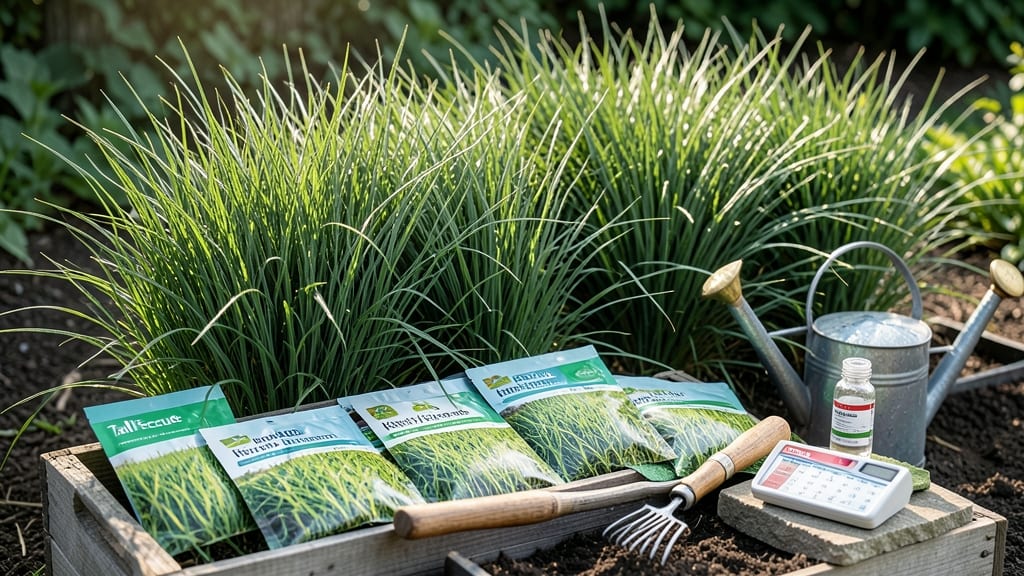
Planting grass seed at the wrong time in North Carolina can mean wasted money and months of frustration—but timing it perfectly ensures a lush, green lawn by fall.
The best time to plant grass seed in your 6a-8b zones is during the cool-season window, when temperatures and soil conditions align for optimal germination. Whether you're in the Coastal Plain, Piedmont, or Mountains, understanding your region's microclimate is the key to success.
For most of North Carolina, early fall—specifically August through September—is the prime window, as cooler temps and consistent rainfall create ideal conditions. This timing gives grass seed time to establish strong roots before winter dormancy, resulting in a vibrant lawn by spring.
But don’t overlook early spring (March-April) as a secondary option, especially if you missed the fall window.
Why does this matter? Grass seed needs soil temperatures between 50-65°F to germinate properly, and North Carolina’s climate varies dramatically by region. Skipping the right window can lead to slow growth, weed competition, or even failed germination.
I’ll break down exactly how to prepare your soil, choose the right grass type, and care for your new lawn to ensure it thrives.
Let’s dive into the most important steps—from soil prep to post-planting care—to help you get it right the first time. Your future lawn will thank you!
North Carolina’s optimal grass seed planting window: cool-season timeline by region
North Carolina’s diverse climate means your grass seed planting window depends heavily on which region you live in. The cool-season window (ideal for most grass types) runs from late summer to early fall, but exact timing varies between the Coastal Plain, Piedmont, and Mountain regions.
For best results, aim for soil temperatures between 50°F and 65°F—this ensures strong germination before winter sets in.
In the Coastal Plain (USDA Zones 7b-8b), your window is slightly longer due to milder winters. Plant between mid-August and early October, giving seeds time to establish before the first frost (typically mid-November to December).
Meanwhile, the Piedmont region (Zones 6b-7a) has a tighter window: late August to early September, with frost arriving as early as November 15.
The Mountain region (Zones 5b-6a) offers a shorter window but can also plant in early spring (March-April) if fall planting isn’t feasible. Here, the ideal time is mid-August to late September, with frost often hitting by October 15.
Spring planting in the Mountains is riskier due to unpredictable weather patterns, but it’s a viable backup.
🌱Pro Tip: Use a soil thermometer to confirm temperatures—cool-season grass seeds won’t germinate well above 70°F. If your soil is too warm, wait 2-3 weeks or use shade cloth to cool it down.
🌡️ North Carolina Grass Seed Planting Timeline by Region
| Region | Best Planting Window | Soil Temp Range | First Frost Date | Key Consideration |
|---|---|---|---|---|
| Coastal Plain (Zones 7b-8b) | Mid-August to Early October | 50°F–65°F | Mid-November to December | Longer growing season; prioritize early fall |
| Piedmont (Zones 6b-7a) | Late August to Early September | 50°F–65°F | November 15 | Tighter window; act fast to avoid frost |
| Mountains (Zones 5b-6a) | Mid-August to Late September | 50°F–65°F | October 15 | Spring planting possible but riskier; prioritize fall |
If you miss the fall window, spring planting (March-April) is your next best option, but it requires careful timing. Plant as soon as the soil warms to 50°F and before summer heat arrives.
In the Coastal Plain, this might mean planting by late March, while the Mountains can wait until mid-April due to cooler soils.
🌿Regional Tip: If you’re in the Piedmont or Mountains, consider Tall Fescue—it’s cold-hardy and establishes quickly in the shorter fall window. For the Coastal Plain, Kentucky Bluegrass thrives with its extended growing season.
One common mistake is planting too late in fall, leaving seeds vulnerable to fungal diseases or frost before they establish. Aim to have 3-4 weeks of warm weather after planting to ensure strong root development.
For example, if your first frost is November 15, plant by October 15 to give seeds time to germinate and grow.
💧Watering Matters: After planting, maintain consistent moisture—especially in the drier Piedmont region. Use a sprinkler or soaker hose to keep the top 1-2 inches of soil evenly damp. Avoid overhead watering at night to prevent fungal growth, which is a bigger risk in North Carolina’s humid climate.
Finally, if you’re unsure about your region’s exact frost dates, check the NC State Climate Office or use a local extension service for tailored advice. Their data can help you fine-tune your planting schedule based on microclimates in your area—like a north-facing yard staying cooler longer than a south-facing one.
North Carolina’s optimal grass seed planting window: cool-season timeline by region
North Carolina’s diverse climate—from the humid Coastal Plain to the cooler Mountain regions—means the best time to plant grass seed varies by zone. For cool-season grasses like tall fescue and Kentucky bluegrass, the ideal window is when soil temperatures hover between 50-65°F, creating perfect conditions for germination.
Missing this window can lead to slow growth, weed competition, or even failed establishment.
In most of North Carolina, early fall (August-September) is the prime time, as temperatures drop just enough to avoid summer heat stress while still allowing roots to establish before winter. This timing also aligns with natural rainfall patterns, reducing the need for excessive irrigation.
However, if you missed the fall window, early spring (March-April) is a solid secondary option, especially in the Piedmont and Mountain regions.
Here’s how the planting window breaks down by region, including key temperature thresholds and frost dates to guide your timing:
If you’re planting in early spring, aim for March-April in the Piedmont and Mountains, but avoid seeding too close to the last frost date—young grass can be damaged by late freezes.
In the Coastal Plain, spring planting is less ideal due to higher humidity and pest pressure, but it’s still possible if you act quickly.
Pro tip: Use a soil thermometer to confirm temperatures are in the ideal range before planting. Cool, damp soil (not soggy) is your goal—this ensures seeds stay hydrated without risking rot. In North Carolina’s humid climate, proper soil prep is just as critical as timing.
Once you’ve nailed the timing, the next step is preparing your lawn for success. This includes testing soil pH, removing weeds, and ensuring proper seed-to-soil contact—all of which we’ll cover in the next section to give your new grass the best start possible.