
Plants
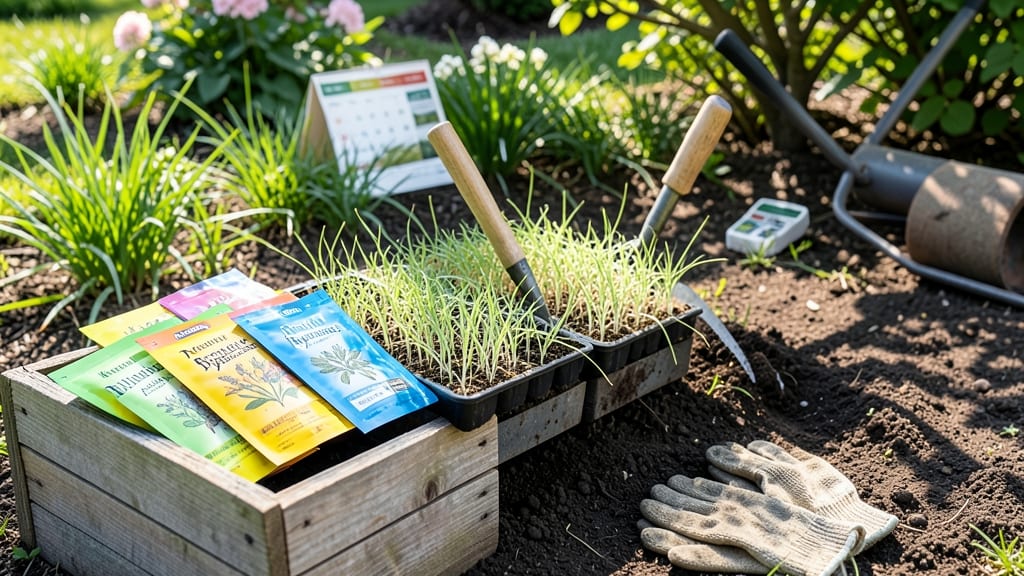
If you've ever stared at a patchy lawn and wondered when is the best time to plant grass in Pennsylvania, you're not alone. The difference between a lush, green carpet and a struggling yard often comes down to timing—especially in our diverse Zone 5a-7a climate where seasons shift dramatically.
Pennsylvania’s cool-season grasses like Kentucky bluegrass and fescue thrive when planted during specific windows: early spring or fall. Planting at the wrong time can mean wasted seed, weak roots, or even inviting weeds to take over.
The key is understanding your local microclimate and soil temperatures, which vary from the mountains to the cities.
In this guide, I’ll break down the optimal planting periods based on soil temps, regional frost dates, and rainfall patterns—so you can finally get that dream lawn. Whether you're in Pittsburgh or Philadelphia, you'll learn exactly when to prepare, plant, and care for your 🌱 grass for maximum success.
Ready to transform your yard? Let’s dive into the science—and simple steps—to plant grass at the perfect moment, ensuring strong roots and vibrant growth all season long.
Ideal Pennsylvania grass planting windows by soil temperature (Zone 5-7 guide)
Pennsylvania’s Zone 5-7 climate creates perfect conditions for cool-season grasses like Kentucky bluegrass and fescue, but timing matters more than you might think. The soil temperature is your best guide—aim for 50-65°F to ensure strong germination and root development.
Plant too early, and frost can kill young seedlings; too late, and summer heat stresses new growth.
Most Pennsylvania gardeners focus on two optimal planting windows: early spring and fall. Spring planting should begin 4-6 weeks before your last frost date (typically mid-March to early April), while fall planting works best 4-6 weeks before the first frost (usually late August to early October).
These windows align with soil warming and cooling trends that Pennsylvania experiences.
Here’s how soil temperature directly impacts your grass seed’s success:
Spring planting gives your grass 6-8 weeks of growth before summer heat sets in. Start too early (e.g., February), and frost damage or dormant soil will stall germination. Use a soil thermometer to confirm temperatures—if it’s below 50°F, wait a few weeks.
In northern PA (Zone 5), aim for late March to early April; in southern PA (Zone 7), you can start as early as February.
Fall planting, however, offers cooler soil and consistent moisture from autumn rains. The 6-week window before frost lets roots establish deeply without summer stress. For example, if your first frost arrives October 15, plant by September 1.
This timing also avoids summer drought and weed competition, giving your grass a cleaner start.
Pennsylvania’s rainfall patterns also play a role. Spring often brings steady showers, while fall’s cooler temps reduce evaporation. In dry years, consider supplemental irrigation during germination (keep soil consistently moist but not soggy). A rain gauge helps track moisture—aim for 1 inch per week during establishment.
One common mistake? Planting warm-season grasses like Bermuda in Pennsylvania’s Zone 5-7. These thrive in Zone 8+ and struggle with our cold winters. Stick to cool-season blends unless you’re in southeastern PA, where microclimates might support Bermuda or Zoysia in sheltered areas.
Pro tip: Use a seed starter fertilizer (high in phosphorus) when planting to boost root growth. For spring, apply it 2-3 weeks before seeding; for fall, use it at planting time.
This 10-20-10 NPK ratio ensures strong early development, setting your lawn up for thicker, greener growth next season.
Finally, monitor your lawn’s progress. If you see uneven germination or yellow patches, it may signal soil compaction or poor drainage. Aerate before planting if your soil feels hard—this opens pores for better root penetration and water absorption.
With the right timing and prep, your Pennsylvania lawn will be the envy of the neighborhood by next summer. 🌿
How to prepare your Pennsylvania lawn for perfect grass planting timing
Preparing your lawn before planting grass is just as critical as timing—especially in Pennsylvania’s variable climate. Skipping prep steps often leads to poor germination, weed dominance, or uneven growth. The secret to a flawless start lies in soil health, weed control, and proper irrigation setup.
First, test your soil pH (ideal range: 6.0–7.5 for most grasses). Use a DIY kit or send a sample to your local extension office.
If pH is off, amend with lime (to raise) or sulfur (to lower) 2–4 weeks before planting. Cool-season grasses like Kentucky bluegrass thrive in slightly acidic soil, while warm-season varieties prefer neutral pH.
Next, clear the area of existing weeds and debris. Hand-pull or spot-treat with a pre-emergent herbicide 2 weeks before planting. Avoid post-emergent herbicides—they’ll kill your new grass. For stubborn weeds like crabgrass, apply a selective herbicide like 2,4-D in early spring, then let the soil settle.
⚠️ Common Mistake Alert
Planting without tilling leaves compacted soil, which blocks root growth. Rent a rototiller or use a garden fork to loosen the top 4–6 inches of soil. For small areas, a broadfork works too—it aerates without disturbing soil structure.
Skipping soil testing can mean wasted seed. Low organic matter or poor drainage will stunt grass growth, no matter how perfect your timing.
Once the soil is prepped, choose the right grass seed blend for your region. Pennsylvania’s Zone 5–7 climate favors cool-season grasses like tall fescue (drought-tolerant) or perennial ryegrass (fast germinating). Mix in 10–20% clover for natural nitrogen fixation if you want a low-maintenance option.
Set up irrigation before planting. Grass seeds need consistent moisture to germinate—aim for 1–1.5 inches of water per week, split into two sessions (morning and evening). Use a soaker hose or sprinkler with adjustable settings to avoid runoff. Overwatering washes seeds away, while underwatering causes dry spots.
Finally, spread seed evenly using a broadcast spreader or by hand for small areas. Lightly rake to ensure seed-to-soil contact, then cover with a thin layer of compost (no more than ¼ inch).
This protects seeds from birds while retaining moisture. Water gently to settle the seed into the soil.
With these steps, your Pennsylvania lawn will have the perfect foundation for strong roots and vibrant growth, no matter when you plant—spring or fall. The key is preparation meets patience.