
Plants
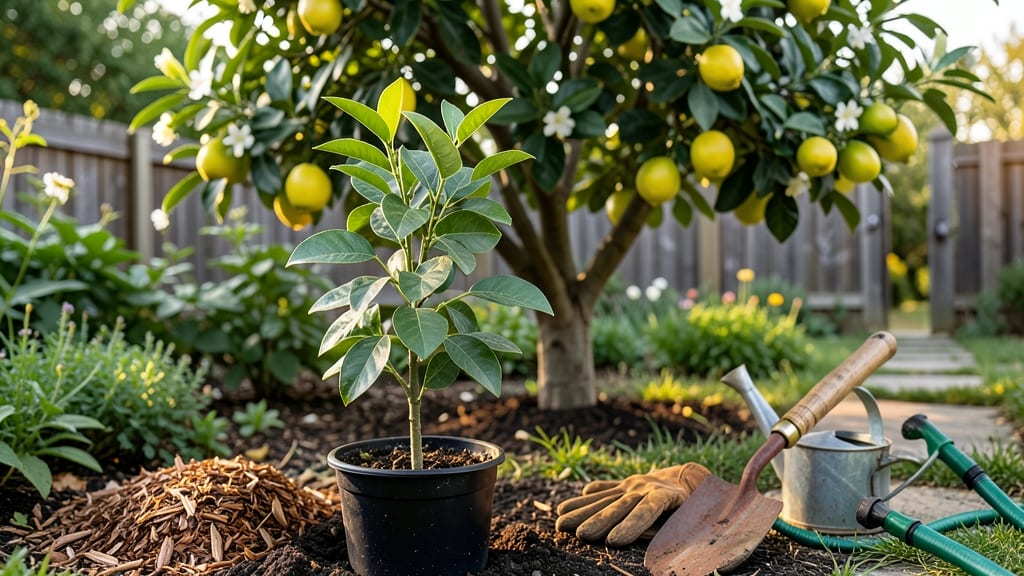
The best time to plant a lemon tree in California isn’t just about the calendar—it’s about understanding your microclimate, whether you’re battling coastal fog or desert heat.
Most gardeners swear by late winter to early spring for that perfect balance of warm soil and mild weather, but California’s USDA Zones 9-11 throw a wrench into one-size-fits-all advice. Coastal areas like San Diego thrive with early plantings, while inland deserts need to wait until the ground warms fully.
I’ve seen firsthand how a wrong timing can mean stunted growth or even tree death, but getting it right unlocks years of juicy harvests. Let’s break down the exact months and prep steps for your specific corner of the Golden State.
You’ll learn how to read your local frost-free dates, prep soil for maximum drainage, and even whether container planting works for your zone—so you can skip the guesswork and start growing.
California’s ideal lemon tree planting months by microclimate zone
California’s microclimates create a puzzle for lemon tree growers. Coastal areas like San Diego enjoy mild winters, while inland Central Valley zones face occasional frost. Meanwhile, desert regions like Palm Springs stay warm year-round.
To maximize success, timing your planting aligns with soil temperatures and frost-free dates unique to each zone.
For most of California, late winter to early spring (February through April) offers the sweet spot. This window ensures root establishment before summer heat peaks.
However, coastal areas can plant as late as May due to their cooler summers, while desert zones may extend planting into early fall to avoid extreme summer heat.
Here’s how to match your location to the perfect planting window, ensuring your lemon tree thrives from day one:
In coastal zones, where temperatures hover around 60–70°F, you can plant as late as May without stressing the tree. The cooler summers and low frost risk make this region the most flexible. However, soil drainage is critical—coastal soils can become waterlogged, leading to root rot.
For inland areas, timing is tighter. The Central Valley, for example, experiences occasional frost until late February. Planting in March or early April ensures roots establish before summer’s 100°F+ heat. Use frost cloth for young trees if late frosts occur, as they’re particularly vulnerable.
Desert regions like Palm Springs offer two planting windows: February–March and September–October. Summer planting is risky due to intense heat, which can shock young trees. If you plant in fall, water deeply to help roots acclimate before winter.
No matter your zone, soil temperature is the ultimate decider. Use a soil thermometer to confirm it’s above 60°F (15°C) before planting. For container-grown trees, this rule still applies—just monitor the root ball temperature closely.
Pro tip: If you’re in a transition zone (like the San Francisco Bay Area), err on the side of earlier planting. The cooler coastal summers can slow growth, so give your tree a head start in February or March.
Finally, always check your local frost dates via the USDA Plant Hardiness Zone Map or your cooperative extension service. Even in California, high-elevation areas (like parts of San Bernardino Mountains) can see frost, so adjust accordingly.
With the right timing, your lemon tree will thrive year-round, rewarding you with juicy, homegrown lemons in as little as 1–2 years! 🍋
California’s ideal lemon tree planting months by microclimate zone
California’s microclimates create wildly different conditions—coastal areas like San Diego stay mild year-round, while inland deserts near Palm Springs can hit 100°F by spring. The key to success? Planting when soil temperatures are consistently above 60°F and frost risk is zero.
Most gardeners in USDA Zones 9-11 aim for late winter to early spring, but your exact timing depends on whether you’re battling coastal fog or desert heat. Let’s break it down by region so you can pick the perfect window for your lemon tree’s future.
📋 Visual Guide: Best Planting Months by California Zone
| Zone/Region | Ideal Planting Window | Soil Temp Requirement | Key Consideration |
|---|---|---|---|
| Coastal (San Diego, Santa Barbara) | February–March | 55–65°F | Avoid late winter fog; wait for consistent sun |
| Inland (Los Angeles, Central Valley) | March–April | 60–70°F | Wait for last frost (rare but possible in valleys) |
| Desert (Palm Springs, Riverside) | April–May | 70–80°F | Plant after extreme heat subsides slightly |
If you’re in coastal areas, aim for February–March when fog lifts and soil warms. Inland zones like Los Angeles can plant as early as March, but desert regions should wait until April–May to avoid heat stress. Pro tip: Use a soil thermometer—lemon trees hate cold roots!
For container planting, timing is even more flexible since you control soil warmth. Just ensure your pot has drainage holes and use well-draining citrus mix.
I’ve seen potted lemon trees thrive in San Francisco balconies planted in April, while ground-planted trees in Sacramento need to wait until May.
One mistake I’ve seen repeatedly? Planting too early in cooler microclimates (like Big Sur) and risking root rot from soggy soil. Always check your local frost-free date—even in California, unexpected chills can happen in high-elevation areas like Santa Cruz Mountains.
Ready to dig? Grab your garden gloves, amend that soil, and choose your window based on your zone. Your future lemon harvest depends on it! 🍋