
Planting
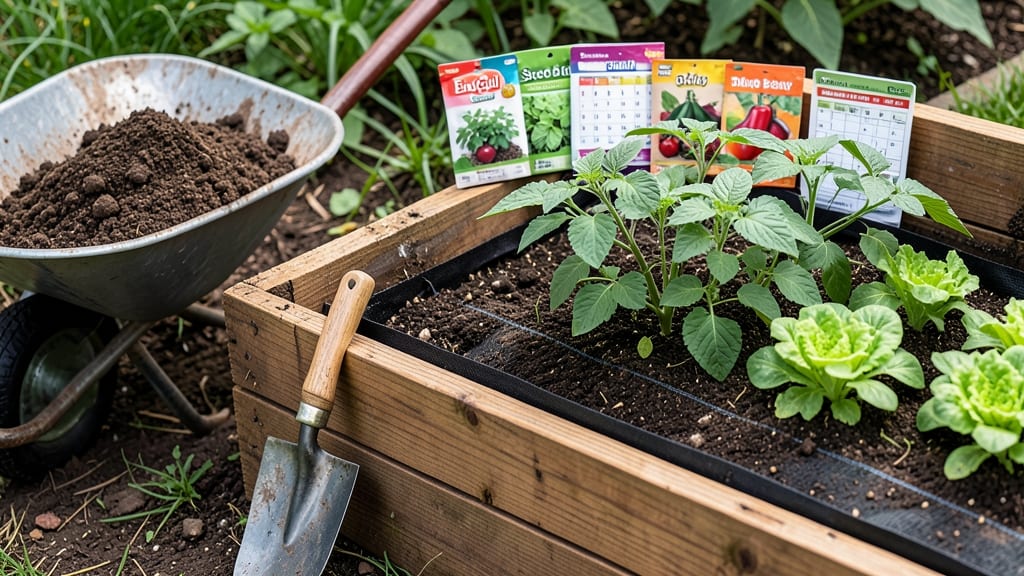
When is the best time to plant a garden in Ohio? Timing your Ohio garden perfectly can mean the difference between a bountiful harvest and wasted effort—especially when last frost dates vary by 100 miles across the state. Whether you're planting cool-season greens or heat-loving tomatoes, getting the schedule wrong means stunted growth or lost crops before they even mature.
I’ve spent years tracking Ohio’s frost patterns, and the key is understanding your specific region’s microclimate. The Buckeye State spans USDA Zones 5-7, meaning what works in Cincinnati won’t always suit Toledo.
Let’s break down exactly when to plant each type of crop—from early spring seedlings to late-summer heat lovers—so you can maximize your garden’s potential.
You’ll discover the ideal frost-free windows for your area, learn how to adjust for urban heat islands, and even find ways to extend your growing season with simple tools. By the end, you’ll have a clear, month-by-month planting plan tailored to Ohio’s quirks.
Ready to stop guessing and start growing? Let’s turn your Ohio garden into a thriving success story with these proven strategies.
Ohio’s frost-free window by region: when to plant cool vs warm season crops
Ohio’s planting timeline varies dramatically from the southern USDA Zone 6 (like Cincinnati) to the northern Zone 5 (like Cleveland). The average last frost date ranges from April 15 in the south to May 15 in the north, while the first frost arrives between October 15 and November 1.
These differences mean your tomatoes might thrive in Dayton but fail in Toledo if planted too late.
To simplify, I’ve broken down Ohio’s planting windows into two key categories: cool-season crops (like lettuce and peas) and warm-season crops (like peppers and cucumbers).
Cool-season plants tolerate light frosts and can even be planted 6 weeks before your last frost date, while warm-season crops need soil temperatures above 60°F and won’t survive frost. Let’s dive into the specifics.
🌱 Visual Element: Comparison Table
For cool-season crops like spinach, kale, and broccoli, you can start seeds indoors 4-6 weeks before your last frost date. In southwest Ohio, that means mid-February, while in northeast Ohio, wait until early April.
These plants handle light frosts and can even bolting if temperatures climb too fast in spring.
Warm-season crops like tomatoes, peppers, and cucumbers need to wait until soil temperatures reach 60°F+. In Zone 6, that’s typically mid-April, but in Zone 5, you may need to wait until late May.
To check soil temperature, use a soil thermometer or test with your finger—if it’s too cold, your seeds won’t germinate.
Ohio’s microclimates add another layer of complexity. Urban areas like Columbus often experience heat islands, where soil warms faster than rural areas. If you’re in the city, you can plant warm-season crops 1-2 weeks earlier than the regional average.
Conversely, valleys and low-lying areas tend to frost later in spring and earlier in fall, so adjust your timeline accordingly.
Pro tip: Use row covers or cold frames to extend your cool-season planting by 2-3 weeks in early spring or late fall. This is especially useful for leafy greens and root vegetables, which can tolerate cooler temperatures.
Just remove the covers when plants start flowering to prevent heat stress.
If you’re unsure about your local frost dates, check the Ohio State University Extension’s frost calendar or use the National Weather Service’s climate data for your specific county. These resources provide historical averages that can help you plan with confidence.
For example, Cincinnati’s last frost date is April 15, but in 2021, it occurred as late as May 5—so always have a backup plan!
For perennial plants like asparagus or rhubarb, the best time to plant is in early spring (as soon as the soil is workable) or early fall (6-8 weeks before frost). These plants establish deep roots, so give them plenty of time to
Best planting schedule for Ohio gardens: month-by-month calendar for success
Ohio’s planting schedule isn’t one-size-fits-all—it shifts dramatically from southern Cincinnati to northern Cleveland. While Cincinnati enjoys an average last frost date of April 15, Toledo’s frost lingers until May 1. That’s why I’ve created this month-by-month guide to help you time your plantings like a pro.
Start by noting your local first frost date (typically October 15-30 across Ohio) and work backward. For example, tomatoes need 90 days to mature, so if your first frost is October 20, plant them by July 10 in southern Ohio or June 20 in the north.
Here’s your actionable planting calendar, adjusted for Ohio’s USDA Zones 5-7 and urban heat islands that can add 1-2 weeks to your growing season:
| Month | Task | Notes for Ohio |
|---|---|---|
| March | Start cool-season seeds indoors | Broccoli, cabbage, spinach—use grow lights if natural light is weak. |
| April | Direct sow hardy veggies outdoors | Peas, lettuce, radishes—wait until soil reaches 40°F. |
| May | Transplant warm-season seedlings | Tomatoes, peppers, basil—after last frost and soil hits 60°F. |
| June | Direct sow heat lovers and succession plant | Beans, cucumbers, squash—plant every 2 weeks for continuous harvests. |
| July-August | Plant fall crops for harvest | Kale, carrots, spinach—6-8 weeks before first frost. |
🌱 Pro Tip: Use row covers to extend spring planting by 2-3 weeks in cooler regions.
Ohio’s urban heat islands (like Columbus or Cleveland) can push your planting window 1-2 weeks earlier than rural areas. Test your soil temperature with a thermometer—50°F for peas, 60°F for tomatoes—to avoid cold shock.
For perennials like asparagus or rhubarb, plant in early spring (March-April) or early fall (September) to establish roots before winter. And don’t forget succession planting: Sow lettuce every 2 weeks in spring and fall to keep your salad bowl full!
Use this schedule as your garden’s roadmap, but always check the Ohio State University Extension’s frost forecast for real-time updates. With this plan, you’ll beat Ohio’s unpredictable weather and enjoy a garden that thrives from spring to fall.