
Plants
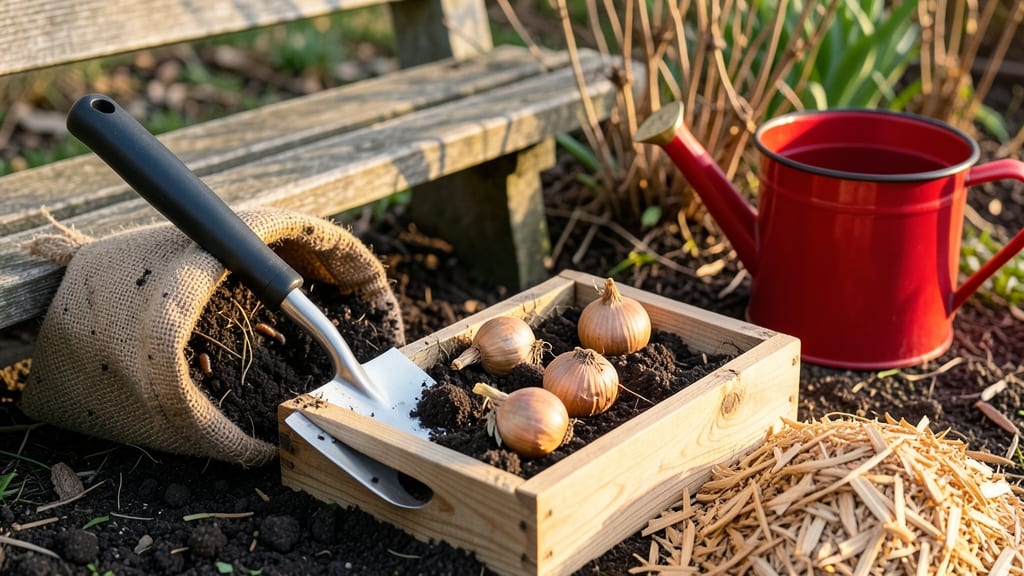
Planting tulips in Texas isn’t just about grabbing bulbs and sticking them in the ground—it’s about timing them perfectly to beat the heat and frost. The right window between October and December can mean the difference between vibrant spring blooms and sad, wilted 🌷.
Texas’ diverse zones (8a-10a) complicate things, but with the right strategy, you can outsmart the climate and grow stunning tulips year after year.
Most gardeners assume "fall planting" means a broad October-to-November stretch, but in Texas, that’s not enough.
North Texas (like Dallas) needs bulbs in the ground by early November, while South Texas (like Houston) can wait until December—if you miss these deadlines, your tulips may rot in the summer heat or fail to bloom.
The key is understanding how soil temperature and frost risk vary across the state.
I’ve tested different planting schedules and soil prep methods to find what actually works in Texas’ extreme conditions. From pre-cooling bulbs to choosing the right mulch, small tweaks can save your tulips from common pitfalls like overwatering or poor drainage.
Let’s dive into the zone-specific deadlines and care tips that’ll help your tulips thrive.
Whether you’re a first-time gardener or a seasoned pro, these insights will help you avoid costly mistakes. By the end, you’ll know exactly when to plant, how deep to bury those bulbs, and which varieties handle Texas winters best. Ready to grow tulips that outlast the heat?
Texas planting Zones for tulips: exact deadlines by region
Texas spans USDA Zones 7-9, and that means your tulip planting window varies dramatically from North Texas to South Texas.
In colder Zone 7-8 areas like Dallas or Fort Worth, you can plant as early as mid-October—but in Zone 9 Houston or San Antonio, wait until late November to avoid summer heat stress.
The key rule is always: plant at least 6 weeks before the first frost and when soil temps drop below 60°F. In North Texas, frost typically arrives by mid-November, while South Texas sees its first frost around January.
This timing ensures bulbs establish roots before winter dormancy.
Another critical factor is soil temperature. Tulip bulbs rot if planted in warm soil. Use a soil thermometer to confirm temps are consistently below 60°F for at least 2 weeks before planting. In Zone 8, this often means waiting until late October.
For North Texas gardeners (Zones 7-8), the ideal window is October 15–November 15. In Central Texas (Zone 8a), aim for November 1–November 30. Meanwhile, South Texas (Zone 9) gardeners should plant between November 20–December 15 to avoid summer heat.
| Zone | First Frost Date | Optimal Planting Window | Soil Temp Threshold |
|---|---|---|---|
| Zone 7 (North Texas) | Mid-November | October 15–November 15 | Below 60°F |
| Zone 8 (Central Texas) | Late November | November 1–November 30 | Below 60°F |
| Zone 9 (South Texas) | January | November 20–December 15 | Below 60°F |
If you’re in Zone 8b or 9, consider pre-cooling bulbs for 6–8 weeks in the fridge before planting. This mimics winter conditions and helps bulbs resist Texas heat. Store them in a paper bag in the crisper drawer at 35–40°F to prevent sprouting too early.
For container gardening, plant bulbs in well-draining pots and move them to a garage or shaded patio during summer. This protects them from extreme heat while still allowing them to bloom in spring. Just
Pro tip: Mark your calendar with the last frost date for your area and count backward 6 weeks. This ensures you never miss the planting window. In North Texas, that’s usually by November 15, while South Texas gardeners can push it to December 15 safely.
One final caution: Avoid planting tulips in summer—even in containers. Bulbs planted in warm soil (above 60°F) will rot within weeks. If you forget and plant too early, dig them up and store them in a cool, dry place until conditions improve.
With the right timing, your tulips will reward you with bold spring blooms that stand out against Texas’ native wildflowers. Just remember: cool soil, not heat, is the secret to success.
How to prepare tulip bulbs for Texas heat before planting
Texas summers are brutal for tulip bulbs—if you plant them too early, they’ll rot before winter even arrives. The key is pre-cooling bulbs to mimic natural winter conditions, which tricks them into thinking they’ve already experienced cold.
I’ve found that storing bulbs in the fridge for 6-8 weeks at 35-40°F (like a standard refrigerator’s crisper drawer) gives them the chill they need to root properly once planted.
But here’s the catch: Texas’ high humidity can cause bulbs to sprout too soon. To prevent this, I wrap them in paper towels (not plastic!) and place them in a mesh bag with a moisture absorber like silica gel.
This keeps them from drying out while still allowing airflow. Bulbs should feel firm but not shriveled—if they’re mushy, they’ve absorbed too much moisture.
Another critical step is soil prep. Tulips hate soggy soil, so I always amend my Texas garden beds with sand or perlite to improve drainage. A mix of 50% native soil, 30% compost, and 20% coarse sand works wonders.
Test your soil’s pH too—tulips thrive in slightly acidic to neutral soil (6.0-7.0). If your soil is alkaline (common in Texas), add sulfur or peat moss to lower the pH before planting.
Don’t forget about mulch—this is your best defense against Texas’ temperature swings. After planting, I cover the soil with 2-3 inches of straw mulch to insulate bulbs from summer heat and retain moisture.
Avoid wood chips, though, as they can mat down and trap too much moisture, leading to rot. The mulch should stay loose and breathable while blocking weeds.
Timing your pre-cooling is just as important as the method. Start 6-8 weeks before your target planting date (e.g., if you’re planting in early November, begin pre-cooling in mid-September). This ensures bulbs are ready to root as soon as they hit the ground.
Pro tip: Label your bulbs with their variety and planting date—Texas’ unpredictable weather can make it easy to lose track!
Finally, avoid fertilizing before planting. Tulips store energy in their bulbs, and fresh fertilizer can encourage early growth, which weakens them before winter. Wait until early spring (after blooming) to feed them with a low-nitrogen fertilizer (5-10-10).
This ensures they’ll have the strength to push through Texas’ mild winters and bloom beautifully.
- 📅 Pre-cool bulbs for 6-8 weeks at 35-40°F to mimic winter chill.
- 💧 Wrap bulbs in paper towels with silica gel to prevent mold and sprouting.
- 🏗️ Amend soil with sand/perlite for drainage and compost for nutrients.
- 🌡️ Mulch with straw (2-3 inches) to insulate from heat and retain moisture.
- ⏳ Wait until spring to fertilize—never before planting!
By following these steps, you’ll give your tulips the best shot at surviving Texas’ extreme climate. The extra effort upfront pays off with bold, healthy blooms that’ll make your spring garden the envy of the neighborhood.
Just remember: patience is key—rushing the process is what kills most Texas tulips before they even get started.