
Plants
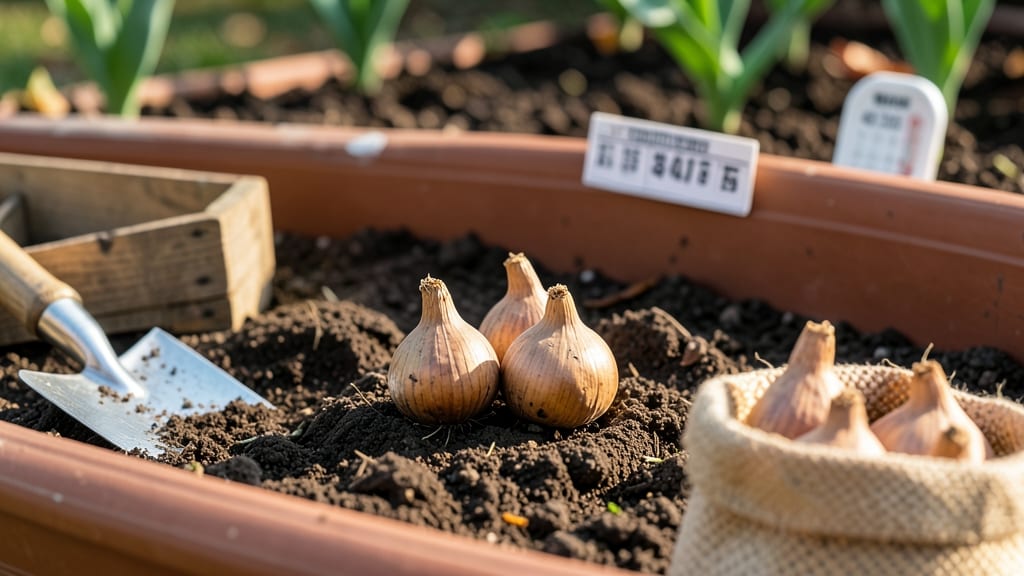
Timing is everything when you're planting tulips in Tennessee—get it wrong, and your bulbs could rot before winter or bloom too late for spring's best display. Unlike other regions, Tennessee's 6a-7b zones and microclimates mean your neighbors' perfect schedule might not work for you.
The ideal window for most of the state is October through November, but that's where local knowledge becomes your game-changer. In East Tennessee's cooler valleys, you might start as early as September, while West Tennessee's warmer soils could push you into December.
Understanding these subtle shifts is what separates vibrant blooms from disappointment.
What makes Tennessee unique is how quickly soil temperatures change—one week might be perfect for planting, while the next could bring unexpected warmth.
I'll show you how to read your local frost dates, adjust for your specific microclimate, and even handle those tricky late-season thaws that can throw off your entire schedule.
Whether you're in Nashville's urban heat islands or Chattanooga's sheltered valleys, this guide gives you the precise timing and care tips to ensure your 🌷 tulips not only survive but thrive. Let's get those bulbs in the ground at exactly the right moment for your corner of Tennessee.
Tennessee’s best tulip planting zones by region (with exact months)
Tennessee’s diverse geography—from the Appalachian Mountains in East Tennessee to the Mississippi River floodplains in West Tennessee—creates microclimates that demand region-specific planting strategies. Most of the state falls within USDA Zones 6a-7b, but elevation and urban heat islands (like Nashville) can shift frost dates by 2-3 weeks.
Let’s break down the ideal planting windows for each region to ensure your tulips bloom reliably every spring.
For East Tennessee (e.g., Knoxville, Chattanooga), where higher elevations mean earlier frosts, aim to plant tulip bulbs between mid-October and early November. The last frost typically hits around mid-April, giving your bulbs 6-8 weeks of cold dormancy—critical for root development.
In Middle Tennessee (Nashville, Murfreesboro), the window stretches slightly later: late October to mid-November, with last frosts around early April.
Meanwhile, West Tennessee’s warmer climate (Memphis, Jackson) allows for planting until early December, but bulbs must be in the ground 4-6 weeks before the first frost (usually late November).
| Region | USDA Zone | Planting Window | Last Frost Date | Key Notes |
|---|---|---|---|---|
| East Tennessee | 6a-7a | Mid-October – Early November | Mid-April | Higher elevations; plant earlier |
| Middle Tennessee | 7a-7b | Late October – Mid-November | Early April | Urban heat islands delay frosts |
| West Tennessee | 7b-8a | Late October – Early December | Late March – Early April | Warmer soils; extend window |
If you’re in Nashville’s urban core, heat from pavement and buildings can push last frost dates back to mid-April, so plant bulbs by mid-November. Conversely, Chattanooga’s valleys may experience frosts as early as October 15th, so start planting by mid-October.
For Memphis gardeners, the extended window lets you plant until early December, but prioritize late October for best results—soil temperatures drop faster in December, risking bulb rot.
Pro tip: Use a soil thermometer to confirm when soil temps hit 50°F (10°C)—the ideal range for tulip planting. In most of Tennessee, this occurs in late October, but West Tennessee may see it as late as early November.
Planting too early in warm soil can cause bulbs to sprout prematurely and rot during winter rains.
For container gardening in Tennessee, adjust your timeline by 1-2 weeks earlier than in-ground planting. Pots heat up faster and dry out quicker, so aim for late September to early October in East Tennessee or early to mid-October in West Tennessee.
Use well-draining containers with holes and a light mulch layer (like straw) to protect bulbs from temperature swings.
Don’t forget that tulip blooms appear 6-8 weeks after the last frost. If you plant too late, your tulips may not bloom until late May or June, missing peak spring color. In East Tennessee, this means aiming for early November planting to see blooms by mid-April.
In West Tennessee, a December planting might delay blooms until June, which is still lovely but less traditional.
Always amend your soil before planting—Tennessee’s clay-heavy soils (common in Middle/West TN) benefit from compost or sand to improve drainage. In East Tennessee’s rocky soils, mix in organic matter to retain moisture. Plant bulbs 6-8 inches deep and 4-6 inches apart for optimal airflow and reduced disease risk.
Finally, mark your planting dates on a calendar and set reminders. Tennessee’s weather can be unpredictable, with sudden cold snaps in November or early thaws in March. Staying flexible with your timeline—especially in high-risk zones like Memphis or Knoxvilleconsistent cold dormancy they need to thrive.
How to adjust planting dates for Tennessee’s unpredictable weather patterns
Tennessee’s weather can be as unpredictable as a spring shower—one day it’s warm enough to plant tulips, and the next, a surprise frost rolls in.
To avoid bulb rot or missed blooms, I adjust my planting dates based on soil temperature, local frost forecasts, and even elevation changes. For example, Nashville’s urban heat islands may stay warmer longer than rural areas, while Chattanooga’s valleys can experience frost weeks earlier than surrounding hills.
Start by checking your last average frost date—for most of Tennessee, this falls between mid-October and early November. Aim to plant tulips 4-6 weeks before the ground freezes solid.
Use a soil thermometer ($10 at garden centers) to confirm: bulbs need 50-60°F soil for root growth but won’t survive consistent freezing. If your soil stays above 50°F until late November, you’ve got a buffer to plant later.
Here’s my backup plan for Tennessee’s wild swings: If early thaws warm the soil too soon, delay planting until mid-November—bulbs can handle brief cold snaps once planted. Conversely, if frost threatens early, cover newly planted bulbs with straw mulch (3-4 inches) to insulate them.
In West Tennessee (USDA Zone 7b), where winters are milder, I sometimes plant as late as December 1st, but I monitor weather apps like Old Farmer’s Almanac for red flags.
⚠️ Warning: Late Planting Risks
Planting tulips after November 15th in East Tennessee (Zone 6a) risks frost heave—when bulbs push up from freezing/thawing cycles. If you must plant late, choose dwarf varieties (like ‘Tiny Star’) that recover better from stress.
For high-risk areas like Memphis or Jackson, where late frosts are common, I use row covers or plant in containers that can be moved to sheltered spots. Containers also let you adjust planting depth—deeper in heavy clay soils (common in Middle Tennessee) to prevent rot.
Pro tip: Add a 1-inch layer of sand at the bottom of holes to improve drainage in Tennessee’s often clay-heavy soils.
Don’t stress if your timing isn’t perfect—Tulips are forgiving! Even if planted in early December, they’ll often bloom the following spring, though later than ideal. The key is consistency: once planted, keep the soil moist but not soggy until winter dormancy.
In dry years (like 2020), I watered planted bulbs once a month to prevent desiccation.
Use these Tennessee-specific adjustments to turn your tulip dreams into reality, even when Mother Nature throws curveballs. Next spring, you’ll be the neighbor with the first blooms on the block—while others are still waiting for their bulbs to emerge! 🌷