
Plants
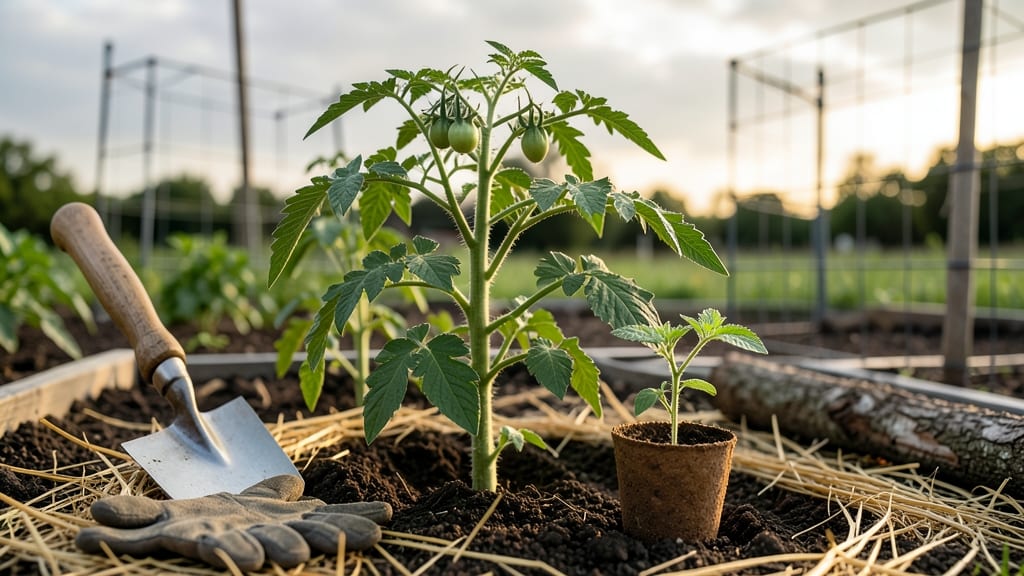
Planting tomatoes in North Carolina at the wrong time can turn your garden dreams into a sad, wilted disappointment—especially when those last frost dates slip through your fingers.
Whether you're in the cooler 7a zones of the mountains or the warmer 8b regions of the Piedmont, getting the timing right is the key to a thriving 🍅 harvest.
I’ve learned the hard way that rushing too early or waiting too long can mean the difference between a table full of juicy heirlooms and a season of empty vines.
The good news? With the right planting window—typically mid-April to early June—you can avoid frost damage and give your tomatoes the warm soil they crave to take off running.
In this guide, I’ll break down the exact dates for each NC zone, plus pro tips for soil prep and whether to start with transplants or direct sow.
We’ll also cover the best varieties for your region and how to handle those pesky humidity swings that love to throw a wrench in your plans.
Ready to turn your garden into a tomato powerhouse? Let’s get those seeds in the ground at the perfect moment—so you can enjoy fresh 🍅 from June all the way to October.
North Carolina tomato planting dates by USDA zone: exact timing for success
North Carolina spans USDA zones 7a through 8b, creating wildly different planting windows for tomatoes. In the cooler mountain regions (7a-7b), you’ll need to wait until late April or early May, while coastal areas (8a-8b) can start as early as mid-March with transplants.
Getting these dates right ensures your plants thrive—not just survive.
Your first step is knowing your last average frost date. Most of NC sees frost risks until mid-April in the Piedmont and early May in the mountains. For direct-sown seeds, wait until soil temperatures hit 60°F or warmer—usually 2-3 weeks after last frost.
Transplants can handle slightly cooler soil, so you can plant them 10-14 days earlier.
Here’s the breakdown by zone, including soil prep tips and variety recommendations to match your climate:
| USDA Zone | Last Frost Date | Transplant Window | Direct Sow Window | Best Varieties |
|---|---|---|---|---|
| 7a (Mountains) | Mid-May | Late April–early May | Early June | ‘Mountain Merit’, ‘Stupice’ |
| 7b (Piedmont) | Early April | Mid-April–early May | Late May | ‘Celebrity’, ‘Better Boy’ |
| 8a (Coastal Plain) | Mid-March | Late March–early April | Mid-April | ‘Sun Gold’, ‘Early Girl’ |
| 8b (Coastal) | Early March | Early March–late March | Early April | ‘Solar Fire’, ‘Heatmaster’ |
*Varieties chosen for heat/disease tolerance in NC’s humid climate.
If you’re in zone 7a (mountains), focus on cold-hardy varieties like ‘Stupice’ or ‘Mountain Merit’, which can tolerate brief chills. In zone 8b (coastal), opt for heat-tolerant hybrids like ‘Solar Fire’ or ‘Heatmaster’ to avoid sunscald.
Pro tip: Black plastic mulch warms soil by 10-15°F, letting you plant 2-3 weeks earlier in cooler zones.
For urban gardeners, microclimates matter. A south-facing wall can add 1-2 weeks to your growing season, while shaded spots may delay planting by 10-14 days. Always check soil temperature with a probe—60°F is the magic number for germination.
In zone 8a (Piedmont), where humidity spikes in summer, choose disease-resistant varieties like ‘Celebrity’ or ‘Better Boy’. These handle fungal pressure better than heirlooms. Pair them with drip irrigation to keep foliage dry and reduce blight risks.
Don’t forget succession planting! In zones 8a-8b, you can squeeze in 2-3 harvests by planting every 2 weeks from April to early June. Use fast-maturing varieties (60-70 days) like ‘Early Girl’ for this strategy.
Finally, track your first frost dates—cooler zones (7a) may see frost as late as October 15, while coastal areas (8b) rarely dip below freezing. This helps you plan fall varieties or extend your season with row covers.
🌱
How to extend your tomato growing season in NC: cold frames, row covers & succession planting
North Carolina’s unpredictable spring frosts and early fall chill can cut your tomato harvest short—but with the right strategies, you can stretch your season by 4-6 weeks.
Whether you’re in USDA Zone 7a or Zone 8b, these techniques will help you enjoy tomatoes well into October (or even November!).
One of the easiest ways to protect young plants is by using row covers or floating tunnels. These lightweight fabrics allow sunlight and water to pass through while shielding plants from light frosts (28-32°F).
For hardier varieties like ‘Mountain Merit’ or ‘Stupice’, you can even plant 4-6 weeks earlier under cover.
Cold frames are another game-changer for early spring starts. By trapping heat from the sun, they can raise soil temperatures by 10-15°F, allowing you to plant transplants as early as late February in Zone 8a.
Just be sure to ventilate the frame on warm days to prevent overheating.
🌱 Top 5 Ways to Extend Your NC Tomato Season
- Use row covers to protect seedlings from late spring frosts (down to 28°F).
- Plant cold-hardy varieties like ‘Cherokee Purple’ or ‘Stupice’ for earlier harvests.
- Set up cold frames to start transplants 4-6 weeks before your usual date.
- Try succession planting: Sow new seeds every 2 weeks from May to June for a staggered harvest.
- Use black plastic mulch to warm soil faster and extend the season by 2-3 weeks.
For gardeners in Zone 7a, where frosts linger longer, succession planting is key. Start with early varieties in late April, then follow up with mid-season plants in early May and late varieties in June. This ensures you’re harvesting tomatoes from June through October.
Don’t overlook heat-tolerant varieties for late summer plantings. Varieties like ‘Solar Fire’ or ‘Heatmaster’ thrive in 90°F+ temperatures, making them perfect for June sowings in Zone 8b. Pair these with drip irrigation to keep roots cool during heatwaves.
Finally, prune and mulch strategically to preserve warmth in the soil. A 4-inch layer of straw mulch can keep roots 5-10°F warmer at night, while removing lower leaves improves airflow and reduces disease risk as temperatures drop.
With these techniques, you’ll turn NC’s short growing season into a long, productive harvest—no matter your zone. Happy gardening! 🌱