
Plants
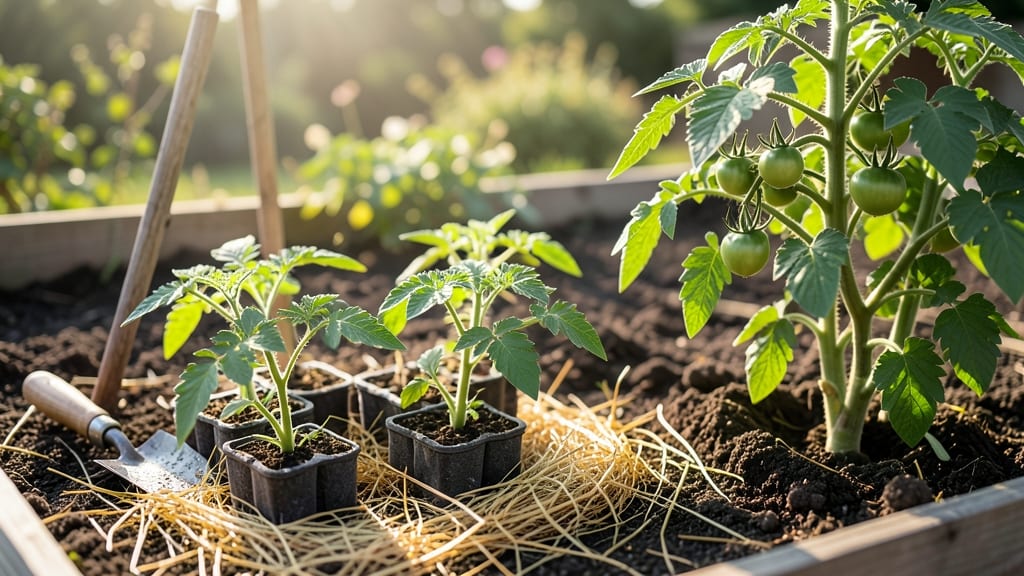
Timing when do you plant tomatoes in Indiana isn’t just about avoiding frost—it’s about unlocking a harvest that rivals your favorite grocery store finds. With Indiana’s USDA Zones 5b-6b and unpredictable spring weather, planting too early risks stunted plants, while waiting too long cuts your growing season short.
The key? Starting seeds indoors by early March and transplanting outdoors only after soil warms to 60°F—typically mid-April to early May.
But here’s the catch: Northern Indiana’s cooler microclimates (like Fort Wayne) demand a later window than southern areas (near Evansville), where gardeners can push starts into early May.
I’ll break down the exact deadlines for your region, plus pro tips to extend your harvest well into fall—because nobody wants their 🍅 season to end too soon.
Whether you’re a first-time gardener or a seasoned Hoosier grower, mastering these dates means fewer failed plants and more juicy tomatoes on your table. Let’s dive into the science behind Indiana’s planting windows and how to give your tomatoes the best possible start.
You’ll also discover how succession planting and soil-warming tricks can add weeks to your harvest—because in Indiana, every extra day counts. Ready to turn your garden into a tomato powerhouse?
Indiana’s tomato planting zones: exact dates by USDA Zone (5-6)
Indiana’s USDA Zones 5a-6b create distinct planting windows for tomatoes, where northern regions like Fort Wayne face earlier frosts than southern areas like Evansville.
Understanding these zones helps you align planting with Indiana’s average last frost dates, typically ranging from April 15 in the north to May 1 in the south.
For Zone 5a (northern Indiana), the safest time to transplant seedlings outdoors is after May 10, while Zone 6b (southern Indiana) can start as early as April 25.
These dates assume you’ve already started seeds indoors 6-8 weeks before the last frost date, a critical step for Indiana’s short growing season.
Soil temperature is just as important as air temperature—tomatoes thrive when soil reaches 60°F or warmer. In Indiana, this usually happens 2-3 weeks after the last frost date, so don’t rush planting. Use a soil thermometer to confirm readiness, especially in northern Indiana, where cooler soils delay growth.
Here’s how Indiana’s key cities compare for tomato planting:
| Zone & Location | Last Frost Date | Indoor Seed Start | Outdoor Transplant | First Frost Risk |
|---|---|---|---|---|
| Zone 5a (Fort Wayne, Gary) | April 15 | March 15 | May 10–May 15 | October 10 |
| Zone 5b (South Bend, Lafayette) | April 20 | March 20 | April 25–May 5 | October 12 |
| Zone 6a (Indianapolis, Muncie) | April 25 | March 25 | May 1–May 10 | October 15 |
| Zone 6b (Evansville, Terre Haute) | April 30 | April 1 | April 25–May 1 | October 20 |
Source: Purdue Extension & Indiana State Climate Office (2023)
If you’re direct-sowing seeds outdoors (not recommended for Indiana’s short season), wait until 2 weeks after your last frost date to ensure soil warmth. For example, in Zone 5a, that means May 25—but seedlings may struggle to mature before frost.
For container gardening, transplant 1-2 weeks later than in-ground plants, as pots cool faster. Use black plastic mulch to raise soil temperature by 5-10°F, giving you an extra 10-14 days of growing time in cooler zones.
Pro tip: Monitor local forecasts via the National Weather Service or Purdue Extension’s frost maps. A late frost in May can devastate early plantings, so harden off seedlings gradually and use row covers for protection if needed.
Indiana’s first frost typically arrives in mid-October, but heat-loving tomatoes need 80-90 days to mature. This means late-July plantings in southern Indiana might still yield fruit, while northern growers should focus on early varieties like ‘Stupice’ (45 days to harvest).
🌱
Indiana-specific tomato varieties and their optimal planting times
Not all tomato varieties thrive equally in Indiana’s short growing season. Heat-tolerant types like 'Better Boy' need a longer window, while early-maturing 'Mountain Merit' can handle cooler starts. Your choice directly impacts when you should plant—whether indoors or outdoors.
For example, indeterminate varieties (like 'Celebrity') need an early start, while determinate types (like 'Roma') can tolerate slightly later transplanting.
Indiana’s climate demands a balance: start seeds indoors 4-6 weeks before your last frost date (typically early March for most regions). Southern Indiana (Zone 6b) can push starts to mid-March, while northern areas (Zone 5b) should wait until late February.
The goal? Transplant hardened-off seedlings outdoors only after soil reaches 60°F—usually mid-April to early May.
Here’s how your variety affects timing:
| Variety | Type | Indoor Start | Outdoor Transplant | Days to Harvest |
|---|---|---|---|---|
| Mountain Merit | Determinate | Early March | Mid-April | 60-65 days |
| Celebrity | Indeterminate | Late Feb | Early May | 70-75 days |
| Better Boy | Indeterminate | Early March | Late April | 80-85 days |
| Roma | Determinate | Mid-March | Early May | 70 days |
Direct-sowing outdoors is riskier in Indiana but works for fast-maturing varieties like 'Stupice' (50 days to harvest). Plant these after Memorial Day (mid-May) when soil is consistently warm. However, this method limits your harvest window—ideal only if you’re short on space or time.
Pro tip: Use black plastic mulch to warm soil faster and extend your outdoor planting window by 1-2 weeks. This trick is a game-changer for Indiana’s cooler springs, giving your tomatoes a head start without sacrificing yield.
For maximum productivity, pair early starts with succession planting. After your first batch of tomatoes ripens in July, replant with a late-maturing variety (like 'Brandywine') to keep the harvest rolling through September. Just be sure to use row covers if nights dip below 50°F.