
Plants
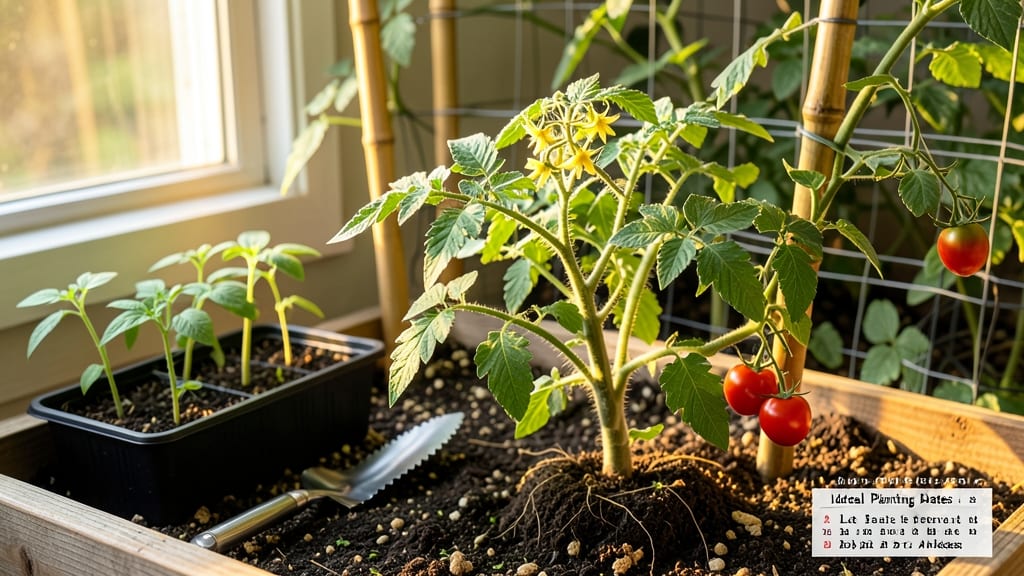
Timing when do you plant tomatoes in Arkansas can make or break your harvest—get it wrong, and you might end up with sad, frost-nipped seedlings or wilted plants before they bear fruit.
The key lies in understanding your specific USDA zone (7a-8b) and working with Arkansas' unpredictable spring weather, where last frost dates can shift from mid-March to mid-April depending on your region.
Most Arkansas gardeners swear by starting transplants indoors in late February to give them a head start, but if you're planting seeds directly, wait until soil temperatures hit at least 60°F—usually around mid-April.
This timing ensures your plants avoid early frost while giving them enough growing season to mature before summer's brutal heat sets in.
What sets Arkansas apart is the need to balance heat tolerance with humidity—your tomatoes will need protection from both.
We'll cover how to adjust planting dates for your exact location, which varieties thrive in your zone, and how to use mulch or shade cloth to keep plants happy through Arkansas' long, steamy summers.
Ready to turn your garden into a tomato powerhouse? Let's break down the exact planting windows, climate-specific tips, and even where to find local resources like the Arkansas Cooperative Extension Service to guarantee your plants grow strong and productive all season long.
Arkansas tomato planting deadlines by USDA hardiness zone (with frost risk charts)
Arkansas spans USDA zones 6b through 8a, meaning your tomato planting window varies by region. In northern Arkansas (zones 6b-7a), frost can linger until April 15, while southern Arkansas (zones 7b-8a) typically sees frost-free conditions by March 15.
These differences mean your planting strategy should adjust based on where you live.
For transplants, aim to plant 2-4 weeks after your last frost date. This gives seedlings time to establish roots before summer heat arrives. In Arkansas, that usually means mid-April to early May for most gardeners.
Starting seeds indoors 6-8 weeks before transplanting (around February 15) gives you a head start.
Direct sowing seeds outdoors works best after soil temperatures hit 60°F, typically late April to early May. Arkansas’ clay-heavy soils warm slowly, so using black plastic mulch can help speed up the process by 5-7 days. This is especially useful for gardeners in cooler microclimates.
| USDA Zone | Last Frost Date | Transplant Window | Direct Sow Window | Heat Tolerance Tip |
|---|---|---|---|---|
| 6b (North AR) | April 15 | May 1-15 | May 15-30 | Use heat-tolerant varieties like 'Solar Fire' |
| 7a (Central AR) | April 1 | April 15-May 1 | April 20-May 10 | Plant early varieties like 'Celebrity' |
| 7b (South AR) | March 15 | March 30-April 15 | April 1-May 1 | Try succession planting for extended harvest |
| 8a (Southeast AR) | February 28 | March 15-April 1 | March 10-April 10 | Consider fall planting for winter harvests |
Arkansas’ humidity and sudden heat waves can stress tomato plants if not managed properly. For example, in zone 7a, planting too early (before April 1) risks late frosts, while planting after May 1 might lead to blossom drop from summer heat.
The key is to match your planting date with soil temperature and weather forecasts.
For container gardening, Arkansas gardeners can extend their season by starting transplants 2 weeks earlier than in-ground planting. Containers warm up faster, allowing you to plant transplants by April 1 even in cooler zones. Just ensure containers have drainage holes and use lightweight potting mix to prevent waterlogging.
Check Arkansas Cooperative Extension Service resources for localized frost data. Their frost risk maps provide real-time updates on 32°F thresholds, which are critical for tomato survival. Bookmark their Arkansas Smart Garden tool for personalized planting advice based on your ZIP code.
If you’re in zone 8a, don’t overlook fall planting. Tomatoes planted in late July to early August can produce fruit before the first frost in November. Choose determinate varieties like 'Roma' for shorter harvest windows, as they mature faster in cooler fall temperatures.
Always monitor soil temperature with a soil thermometer. Tomatoes thrive when soil stays above 60°F. In Arkansas’ clay soils, temperatures can fluctuate wildly, so wait until morning soil temps are consistently warm before planting.
Pro tip: Use row covers for early transplants to protect against unpredictable late frosts. These lightweight fabrics raise soil temperatures by 2-4°F and can extend your planting window by 10-14 days in cooler microclimates.
How to adjust planting dates for Arkansas heat waves and humidity (pro tips)
Arkansas' humidity and heat waves can turn your tomato plants into wilted messes if you don't adjust planting timing and care. The key is to stagger planting and use protective strategies to shield plants during critical growth stages.
Start with heat-tolerant varieties like 'Celebrity' or 'Solar Fire,' which handle Arkansas' summer temps better than standard types.
For northern Arkansas (Zone 7a), begin transplants indoors by late February and move them outside after the last frost (mid-April).
In southern Arkansas (Zone 8a), you can plant directly into the ground as early as late March, but always wait until soil temps hit 60°F to avoid stunted growth.
Here’s how to protect your plants once they’re in the ground:
If you're growing tomatoes in containers**, choose heat-resistant varieties and place pots in partial shade during afternoon heat. Avoid dark-colored containers—they absorb too much heat and can cook roots. Instead, opt for light-colored or reflective pots to keep roots cooler.
Finally, monitor your plants for heat stress signs like wilting leaves, yellowing, or curled foliage. These are your cues to increase shade, water deeply, and fertilize lightly with a balanced 5-10-10 mix. With these adjustments, your Arkansas tomato plants will thrive even when temps soar above 90°F.
🌱