
Plants
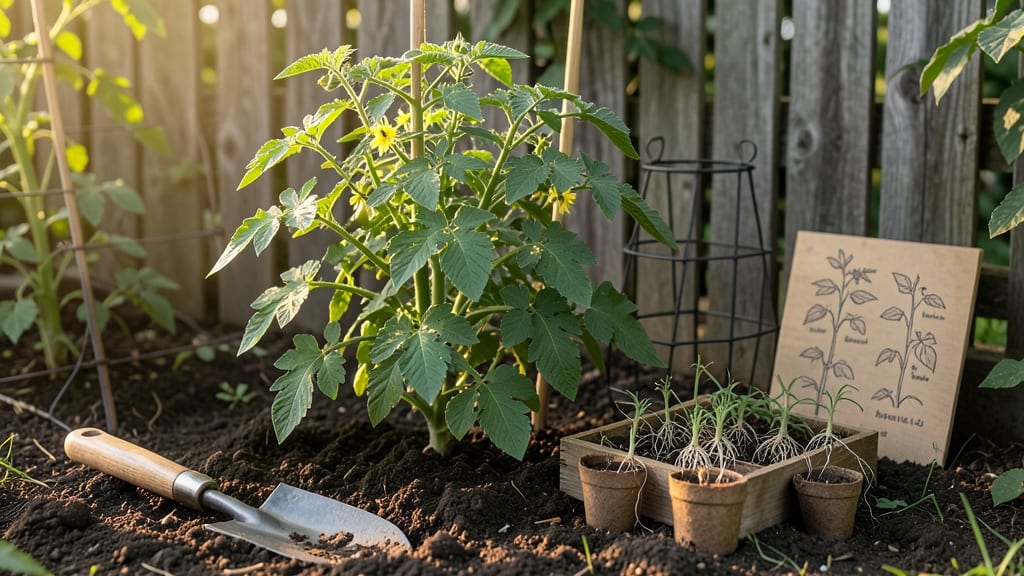
If you're wondering "when do you plant tomatoes in Virginia", timing is everything for a thriving 🍅 harvest. The difference between a garden full of juicy red tomatoes and one that barely survives can hinge on those first few weeks after the last frost.
Virginia's diverse climate—spanning USDA zones 7a-8a—means planting dates vary slightly from the Shenandoah Valley to the Tidewater region. But here's the good news: with the right preparation, you can extend your growing season and enjoy fresh tomatoes from June through October.
I'll walk you through the exact planting windows, soil temperature thresholds, and regional adjustments to ensure your tomatoes thrive. Whether you're starting seeds indoors or planting directly in the garden, these insights will help you avoid common pitfalls and maximize your harvest.
Ready to transform your garden? Let's dive into the precise timing and techniques that will give you the biggest, juiciest tomatoes Virginia has to offer this season.
Virginia’s tomato planting zones & exact dates by last frost
Virginia’s climate spans USDA zones 6a through 8a, creating varying frost dates that directly impact your tomato planting schedule. The last average frost date ranges from mid-April in southern Virginia to late April in the mountains.
For healthy tomato growth, always wait until soil temperatures reach 50°F and nighttime temps stay above 50°F—cold soil stunts root development.
Most Virginia gardeners plant tomatoes after April 15, but your exact timing depends on whether you’re transplanting seedlings or direct sowing seeds. Seedlings tolerate cooler soil better than seeds, so they can go in 2-4 weeks earlier than seeds.
For a longer harvest season, many gardeners plant two batches: one in early May and another in early June.
Here’s how to pinpoint your local last frost date for precise planning: Check the Virginia Cooperative Extension’s frost maps or use their local weather station data. For example, Richmond’s last frost is typically April 15, while Blacksburg’s is closer to May 1.
Planting too early risks frost damage, while waiting too long cuts your harvest window.
🌱
Virginia Tomato Planting Timeline by Zone
| USDA Zone | Last Frost Date | Seedlings (Transplant) | Seeds (Direct Sow) | Harvest Window |
|---|---|---|---|---|
| 6a (Mountains: e.g., Roanoke) | May 1 | May 15–20 | May 30–June 5 | July–September |
| 7a (Piedmont: e.g., Lynchburg) | April 25 | May 1–10 | May 15–25 | June–October |
| 7b (Central: e.g., Charlottesville) | April 15 | April 25–May 5 | May 10–20 | June–October |
| 8a (Tidewater: e.g., Norfolk) | March 25 | April 10–20 | April 25–May 5 | May–November |
*Adjust dates 1–2 weeks earlier for urban heat islands or microclimates near bodies of water.
For direct sowing seeds, aim for soil temps of 60°F+—seeds won’t germinate below 55°F. Use a soil thermometer to monitor temperatures, especially in cooler mountain zones. If your soil is too cold, opt for transplanting seedlings instead, as they establish faster in warmer conditions.
Pro tip: If you’re starting seeds indoors, begin them 6–8 weeks before your last frost date. For example, in Zone 7a (Lynchburg), that means March 1–15. Use grow lights to prevent leggy seedlings, and harden them off for 7–10 days before transplanting outdoors.
One common mistake is planting too early in hopes of an earlier harvest. But cool soil slows root growth, making plants vulnerable to disease and pests. Instead, focus on soil temperature and nighttime warmth—these are better indicators than calendar dates alone.
🌿
To extend your harvest, consider succession planting: After your first batch of tomatoes is in, plant a second batch 2–3 weeks later. This works especially well for determinate varieties, which ripen all at once.
For indeterminate varieties, which produce continuously, a single planting in early May often suffices.
Finally, keep an eye on local weather forecasts in the weeks leading up to planting. A late frost warning might delay your schedule, while an unusually warm spring could allow you to plant earlier. The Virginia Master Gardener hotline (800-345-1257) is a great resource for real-time updates.
How to adjust planting dates for Virginia’s microclimates & soil conditions
Virginia’s diverse geography means your tomato planting dates might need fine-tuning based on your exact location. Whether you’re gardening in the mountains of Southwest Virginia or the coastal plains of Tidewater, microclimates can shift your ideal planting window by 2-4 weeks. Urban heat islands in cities like Richmond or Norfolk may also allow earlier planting, while high-altitude areas like Roanoke or Blacksburg often require later starts. Soil type plays a crucial role too. Heavy clay soils in the Piedmont region drain poorly and stay cold longer, while sandy soils in the coastal plain warm up faster. If your soil struggles to reach the minimum 50°F threshold, consider planting in raised beds or black plastic mulch to warm the soil 2-3 weeks earlier. Even a 1-2 inch layer of compost can help speed up soil warming by 1-2 weeks in cooler areas.Pro Tip: Use a soil thermometer ($10 at garden centers) to confirm soil temps before planting. If nighttime temps still dip below 50°F, opt for cold-hardy varieties like 'Stupice' or 'Mountain Merit' and use row covers to protect young plants. These adjustments can add 10-14 extra frost-free days to your growing season.
Planting too early risks frost damage or blossom-end rot from cold soil. Late planting (after June 1) may yield small tomatoes before the first frost. Use this 3-step check before planting:
- Soil temp: At least 50°F (use a thermometer)
- Night temps: Consistently above 50°F (check local forecasts)
- Frost risk: No frost predicted in the next 2 weeks (use Old Farmer’s Almanac)
⏰ Timing Tip: In USDA Zone 7a (e.g., Charlottesville), aim for April 25-May 10. In Zone 8a (e.g., Virginia Beach), you can start as early as March 20-April 5.
Don’t forget about succession planting—this technique lets you stagger plantings every 2-3 weeks through June 15 to ensure a continuous harvest. For example, plant a batch of determinate varieties (like 'Celebrity') in early May, then follow with indeterminate types (like 'Sungold') in late May.
This way, you’ll have tomatoes from July through October, even if the first batch gets hit by early frost.
🌱