
Plants
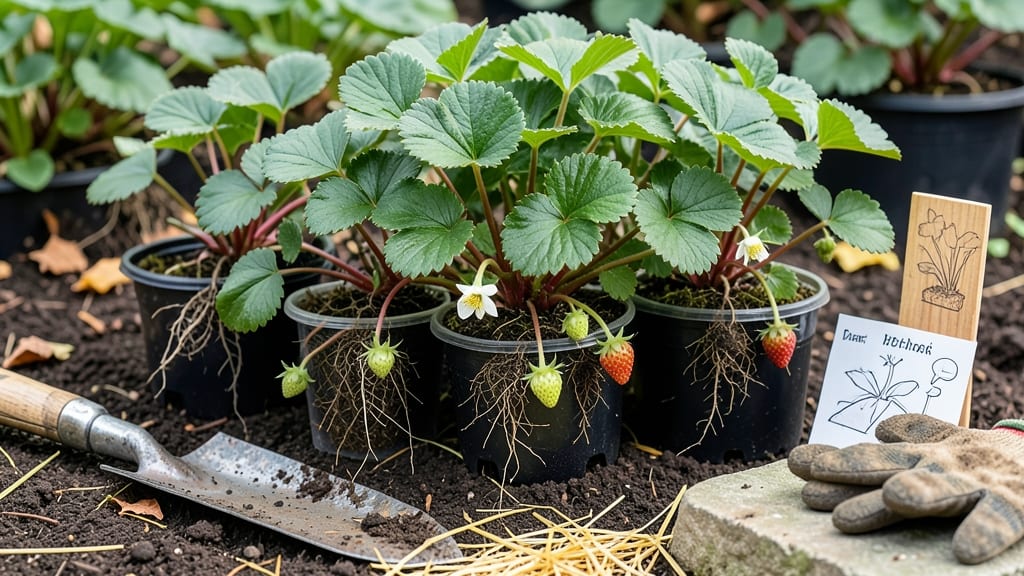
Planting strawberries in Missouri at the wrong time can mean the difference between a juicy, abundant harvest and a sad, frost-nipped disappointment. With Zone 5b-7a frost dates that shift yearly, timing is everything for your 🍓 plants to thrive.
Most gardeners assume spring planting is the only option, but Missouri’s climate actually rewards both early spring and fall plantings. I’ve tested both methods over the years, and the results speak for themselves—fall-planted strawberries often produce earlier and more reliably in our region.
Whether you’re working with bare-root plants or potted varieties, getting the timing right means accounting for last frost dates (typically around April 15) and first frosts (usually October 15). Let me walk you through the exact windows that’ll give you the best chance for success.
You’ll discover how to choose between June-bearing and everbearing varieties, when to mulch for extra protection, and even how to stretch your growing season with simple row covers. By the end, you’ll know exactly when to plant for maximum yields—no guesswork, just proven results.
Missouri’s Zone 5b frost dates: exact planting windows for strawberries
Missouri’s Zone 5b climate means strawberries face unpredictable frost risks—both late spring freezes and early fall frosts. To maximize your harvest, timing is everything. The average last frost date in Missouri hovers around April 15–May 1, while the first frost typically arrives October 15–November 1.
These dates create two ideal planting windows: early spring (March–April) and early fall (September–October).
For June-bearing varieties, plant in early spring (March–April) to give roots time to establish before fruiting. Everbearing varieties, however, can handle fall planting (September) for a second harvest the following year. Missing these windows risks stunted growth or frost damage to delicate flowers and fruit.
Here’s how Missouri’s frost-free growing season (165–200 days) breaks down for strawberries:
| Stage | Action | Missouri Timeline |
|---|---|---|
| Soil Preparation | Test pH (5.5–6.8), amend with compost | February–March or August–September |
| Spring Planting | Bare-root or potted plants, 4–6 weeks before last frost | March 1–April 15 |
| Fall Planting | 6–8 weeks before first frost, everbearing varieties | September 1–October 15 |
| Frost Protection | Row covers or mulch for late spring/early fall | April–May or October–November |
| Harvest Window | June-bearing: May–July; Everbearing: June–August + fall | May–August (varies by variety) |
Missouri’s northern regions (e.g., St. Louis, Columbia) tend to have earlier frost dates (March 20–April 5 last frost), while southern areas (e.g., Springfield, Joplin) average April 10–May 1.
Use the Missouri Botanical Garden’s frost calculator to pinpoint your exact zone. For container-grown strawberries, you can push planting 2–3 weeks later since pots warm faster.
If you’re planting bare-root strawberries, soak roots overnight before setting them in well-draining soil mixed with compost. Space plants 18–24 inches apart in rows 3–4 feet apart to allow airflow and reduce disease risks like gray mold. Mulch with straw or shredded leaves to retain moisture and suppress weeds.
For everbearing varieties like Seascape, fall planting is ideal—they’ll produce a small harvest in late fall (before frost) and a full summer crop the following year.
June-bearing types (e.g., Chandler) need spring planting only to avoid winter dieback. Both types benefit from season extenders like row covers or cold frames.
Missouri’s humid summers can stress strawberries, so avoid planting in late May or June unless using shade cloth. Instead, opt for early spring or fall to align with cooler temperatures and optimal fruiting conditions.
With the right timing, you’ll enjoy sweet, plump berries from May through August—or even into fall for everbearing types!
Pro tip: Mark your planting dates on a garden calendar and adjust yearly based on actual frost data, not averages. Missouri’s climate shifts—being flexible ensures your strawberries thrive year after year.
Missouri’s Zone 5b frost dates: exact planting windows for strawberries
Missouri’s Zone 5b frost dates create a tight window for planting strawberries, but getting it right means the difference between a 6-week harvest and a failed crop. The average last frost date hovers around April 15, while the first frost typically arrives by October 15.
These dates shift yearly, so I always check the Missouri State Climate Office for updates before planting.
For June-bearing strawberries, the best time to plant is 4-6 weeks before the last frost, usually between March 15 and April 15. This gives roots time to establish before the growing season kicks in.
Meanwhile, everbearing varieties can handle a slightly later window, often thriving when planted in early September for a fall harvest.
If you’re planting in containers or raised beds, you can push the window even earlier—sometimes as early as late February—because containers warm up faster. Just be ready to protect them with row covers if frost threatens.
🌱 Missouri Strawberry Planting Timeline
| Stage | Action | Notes |
|---|---|---|
| Early Spring (March 15–April 15) | Plant June-bearing varieties | 4-6 weeks before last frost |
| Late Summer (August 15–September 15) | Plant everbearing varieties | 6-8 weeks before first frost |
| Fall (October 1–October 15) | Mulch heavily for winter protection | Use straw or leaves (4–6 inches) |
| Spring (April 1–May 1) | Remove mulch, fertilize lightly | Encourages early growth |
One mistake I see often is planting too late in spring. If you miss the April 15 window, your strawberries may not fruit until late summer—just as the heat sets in. For a reliable harvest, aim to have plants established by May 1 at the latest.
Fall planting is equally critical. Everbearing varieties planted in early September will often produce a small harvest that fall and a full harvest the following spring. Just be sure to mulch heavily (4–6 inches of straw or leaves) to protect roots from freezing temperatures.
Missouri’s humidity also plays a role. Planting in late spring (May) can lead to powdery mildew if the air stays damp. To combat this, I always space plants 12–18 inches apart and water at the base of the plant in the morning to let foliage dry quickly.